

Tips for Selecting Raincoats for Small Dogs
Understanding Your Small Dog’s Physical Traits
Petite Frame Considerations
Small dogs, like Chihuahuas and Pomeranians, have extremely petite frames. Their short stature means that a raincoat needs to be proportionally sized to fit them correctly. A raincoat that’s too large will drag on the ground, making it difficult for them to walk and potentially causing them to trip. For instance, a Chihuahua has tiny legs, and a long – hanging raincoat can get caught between its legs, impeding its movement.
The neck and chest areas of small dogs are also relatively small. A raincoat should have a narrow opening at the neck to prevent it from slipping over the dog’s head easily. At the same time, the chest part should fit snugly but not be so tight that it restricts breathing. A Pomeranian, with its fluffy chest fur, requires a raincoat that can accommodate the volume of its fur without being overly loose.
Short Legs and Mobility
Many small dogs have short legs, which affects their range of motion. When choosing a raincoat, ensure that it doesn’t restrict their leg movement. Look for raincoats with leg openings that are wide enough to allow the dog to lift its legs freely while walking or running. For example, a Dachshund, although not a typical small – breed in all aspects, has very short legs. A raincoat with tight leg holes can make it hard for the Dachshund to move around, especially when trying to climb stairs or jump onto furniture.
Also, consider the length of the raincoat in relation to the dog’s legs. It should cover the back and part of the belly without going so low that it covers the legs completely, as this can limit their mobility. A well – fitted raincoat will enable the small dog to move with ease, whether it’s a quick dash across the yard or a leisurely walk in the rain.
Material Selection for Small Dog Raincoats
Lightweight and Water – Resistant Fabrics
Small dogs are more sensitive to weight compared to larger breeds. A heavy raincoat can weigh them down, making them tired quickly and less willing to go outside in the rain. Opt for lightweight fabrics such as soft nylon or polyester blends. These materials are not only light but also water – resistant, which is essential for keeping the dog dry.
For example, a Yorkshire Terrier, with its fine and delicate fur, can benefit from a lightweight raincoat that doesn’t flatten its fur while still providing protection from the rain. The water – resistant property of these fabrics ensures that water beads up and rolls off the surface, keeping the dog’s fur relatively dry underneath.
Breathable Materials
In addition to being water – resistant, the material of the raincoat should be breathable. Small dogs can easily overheat, especially during physical activity in the rain. Breathable fabrics allow air to circulate, preventing the build – up of heat and moisture inside the raincoat.
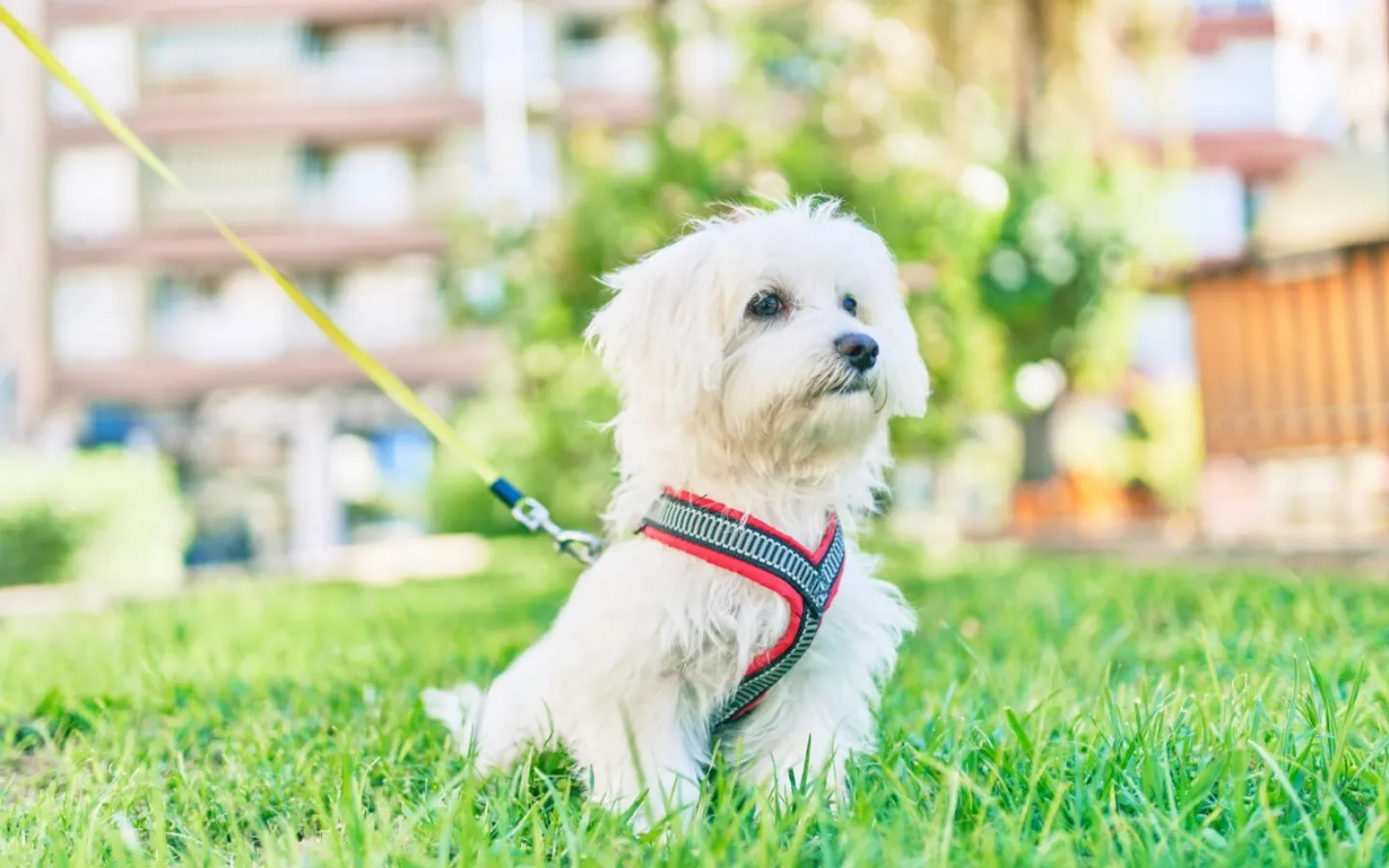
Look for raincoats with small pores or mesh inserts in certain areas, such as under the arms or on the sides. This helps to regulate the dog’s body temperature, keeping it comfortable even when it’s active. A Maltese, for instance, which has a long and thick coat, can stay cool and dry in a breathable raincoat during a walk in the rain.
Durability for Active Small Dogs
Some small dogs are quite active and love to play outdoors, even in the rain. The raincoat should be made from durable materials that can withstand rough play, such as running through bushes or jumping over small obstacles. Thick nylon or reinforced polyester are good options as they are less likely to tear or get damaged easily.
A Jack Russell Terrier, known for its high energy levels, may engage in vigorous activities in the rain. A durable raincoat will ensure that it can handle the wear and tear of the dog’s play, providing long – lasting protection.
Design Features for Small Dog Raincoats
Easy – to – Use Fastenings
Small dogs can be a bit fidgety, so the raincoat should have easy – to – use fastenings. Snap buttons or Velcro straps are great choices as they can be quickly and easily adjusted. Avoid raincoats with complicated zippers or multiple fastenings that can be difficult to operate, especially when dealing with a small and wriggly dog.
For example, a Shih Tzu may not stay still for long during the dressing process. A raincoat with simple and accessible fastenings can save you time and frustration. Velcro straps are particularly convenient as they can be adjusted to fit the dog’s body snugly without the need for precise alignment like with buttons.
Hood or Head Protection
Some small dogs have short muzzles and may be more prone to getting their heads wet in the rain. A raincoat with a hood or some form of head protection can be beneficial. The hood should be adjustable to fit the dog’s head comfortably without obstructing its vision.
A Pug, with its flat face and short muzzle, can stay dry and warm with a hood that can be pulled up over its ears. This protects its sensitive ears from getting wet and also helps to keep the heat in around its head. However, make sure the hood is not too tight, as it can cause discomfort to the dog.
Reflective Elements for Safety
If you often walk your small dog in low – light conditions, such as early in the morning or late at night, reflective elements on the raincoat are essential. Reflective strips or patches on the raincoat make your dog more visible to drivers and other pedestrians, reducing the risk of accidents.
Place the reflective elements strategically around the body, such as on the back, sides, and legs. This ensures that your dog is visible from different angles. Some raincoats may even have glow – in – the – dark features, which can provide additional visibility in extremely dark environments, enhancing the safety of your small dog during walks in the rain.