

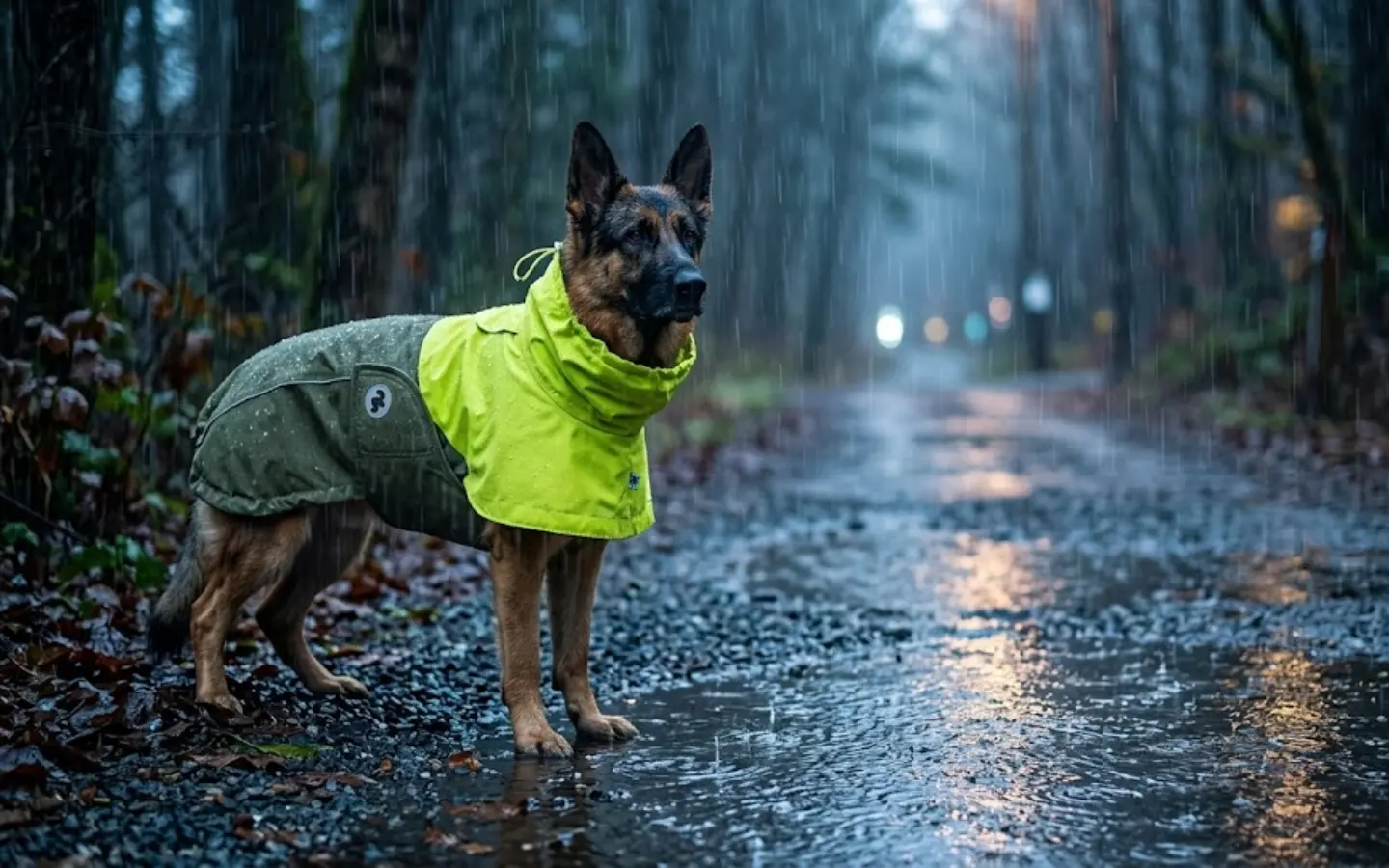
Waterproof coatings on dog raincoats create a protective barrier that stops rain from soaking through the fabric, keeping your dog dry during walks. These coatings are applied to the surface or infused into the material, and they vary in thickness, flexibility, and longevity, affecting how the raincoat performs in different weather conditions and how comfortable it feels for your dog to wear.
Common Coating Types and Their Properties
Polyvinyl chloride coatings form a thick, continuous plastic-like layer on the fabric surface, creating a fully waterproof shield that blocks water effectively even during heavy, prolonged rain. This coating is durable and resistant to abrasion, making it suitable for dogs that explore rough terrain or brushy areas where the raincoat might scrape against branches or rocks. The material tends to be stiffer than uncoated fabrics, especially in cooler temperatures, but it provides reliable protection and is often easy to wipe clean with a damp cloth after muddy outings.
Polyurethane coatings offer a more flexible waterproof layer that remains pliable across a range of temperatures, reducing the stiff, crinkly feel that some thicker coatings can have. This coating can be applied in varying thicknesses, allowing manufacturers to balance waterproofness with weight and flexibility. Thinner polyurethane coatings are common on lightweight raincoats, where they provide adequate water resistance without adding bulk, while heavier applications are used for more rugged gear intended for harsh weather conditions.
Silicone-based coatings repel water by causing it to bead up and roll off the fabric surface rather than forming a completely impermeable barrier. This treatment is often lighter and more breathable than full plastic coatings, allowing some air to pass through the fabric while still shedding light to moderate rain. Silicone coatings tend to be soft and flexible, so the raincoat retains a natural drape and moves quietly with your dog, which is beneficial for sound-sensitive pets that might be startled by noisy materials.
Coating Application and Fabric Integration
The method used to apply the coating affects its performance and durability. Some coatings are applied to one side of the fabric, usually the inner surface, creating a smooth protective layer that is less exposed to external abrasion. This approach helps maintain the outer fabric’s original texture and color while protecting the coating from wear, though it can make the inner side feel slightly slick or cool against your dog’s skin.
Other coatings are applied to the outer surface, where they form the first line of defense against rain and dirt. Exterior coatings are often thicker and more robust, designed to withstand direct exposure to the elements. These coatings may have a slightly tacky or textured feel that helps dirt and mud slide off more easily, but they can also be more prone to showing scratches or scuffs from rough use over time.
Laminated coatings involve bonding a separate waterproof film to the fabric using heat and pressure, creating a unified layer that is highly effective at blocking water. Laminates can be engineered to specific breathability levels, allowing sweat vapor to escape while preventing liquid water from entering. This construction is common in performance-oriented raincoats where both waterproofness and comfort are priorities, as it avoids the need for a heavy surface coating that might reduce breathability.
Durability and Maintenance Considerations
The longevity of a waterproof coating depends on its composition and how the raincoat is used and cared for. PVC and thicker polyurethane coatings are generally resistant to degradation from sunlight and moisture, but they can become brittle if repeatedly folded and stored in very cold conditions. Silicone and thinner polyurethane coatings may require more frequent re-treatment with a water-repellent spray after many washes or extended use to maintain their effectiveness.
Abrasion from rough surfaces, such as concrete, rocks, or dense vegetation, can gradually wear down the coating, especially on areas that experience frequent contact. High-wear zones like the chest, belly, and along the seams may show signs of coating loss over time, which can compromise waterproofness in those specific spots. Reinforced panels or double-layered fabric in these areas can help extend the raincoat’s usable life.
Cleaning methods directly impact coating preservation. Harsh detergents, fabric softeners, and high-heat drying can break down the chemical bonds in the coating, reducing its water resistance. Most coated raincoats perform best with gentle, non-detergent soaps, cool water rinses, and air drying away from direct heat sources. Regular inspection for cracks, peeling, or loss of water beading on the surface can help you identify when the coating may need refreshing or when the raincoat might be due for replacement.