

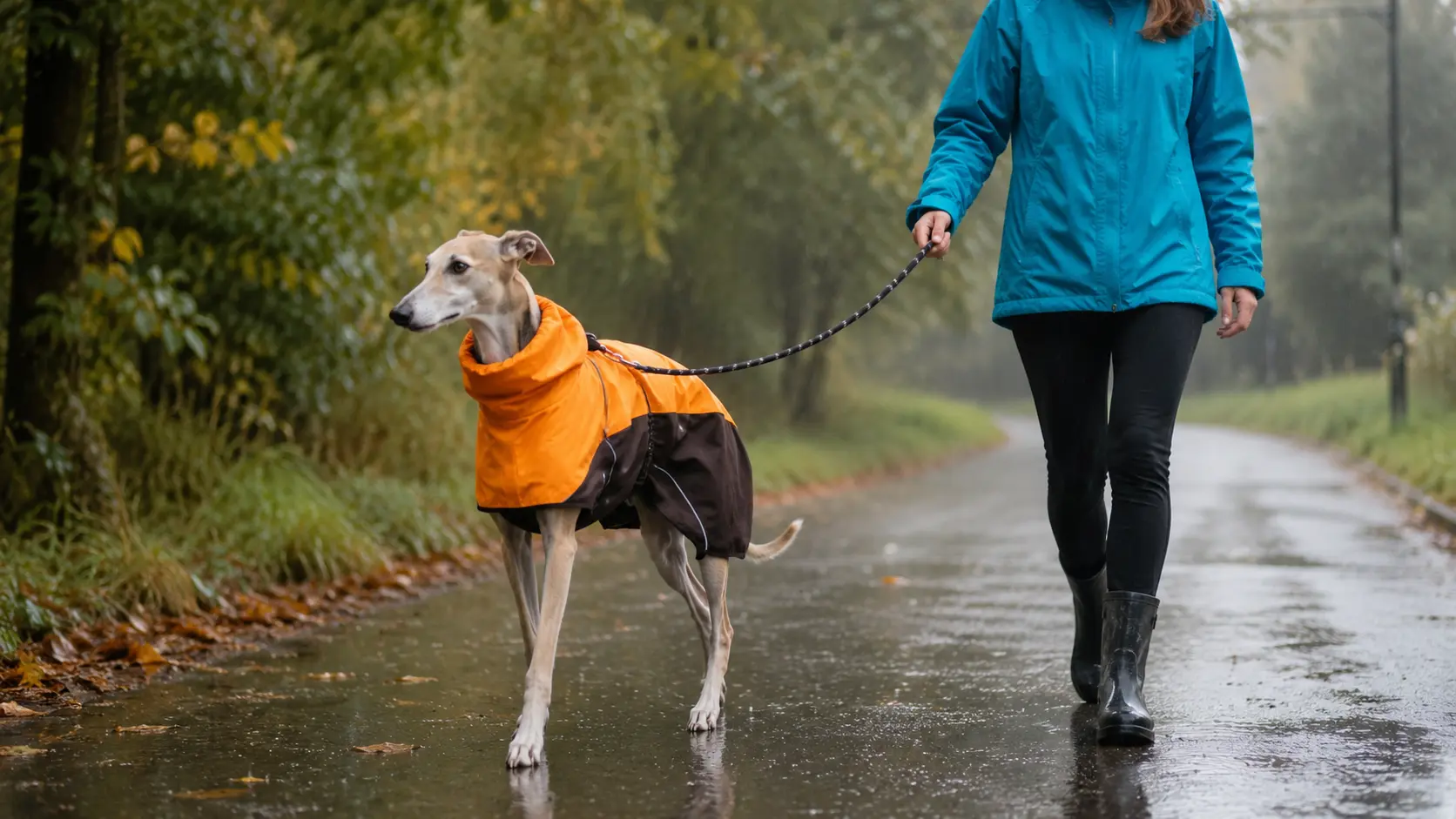
The waterproof performance of a dog raincoat made from polyurethane (PU) material depends on the specific construction method and the quality of its sealing at critical stress points. PU itself is a water-resistant polymer, but a garment’s ability to keep a dog dry during a walk relies on more than just the base fabric. It involves the integration of coated layers, seam sealing techniques, and feature design that work together to create a reliable barrier against moisture.
Material Composition and Coating Application
Polyurethane is typically applied as a coating or laminate to a base fabric, such as polyester or nylon. The waterproofing capability is determined by the coating’s thickness, uniformity, and adhesion to this base layer. A high-quality PU coating creates a continuous, non-porous film that prevents water droplets from penetrating. The industry standard for measuring this is hydrostatic head, expressed in millimeters. A raincoat designed for moderate to heavy rain generally requires a minimum rating of 1500mm to 3000mm, indicating it can withstand the pressure of a 1500-3000mm column of water before leakage occurs. The flexibility of the PU coating is also crucial, as it must withstand the constant stretching and movement of an active dog without cracking or delaminating from the fabric.
Seam Construction and Leak Prevention
The weakest points in any waterproof garment are the stitch holes along its seams. In a basic construction, needle punctures from sewing create tiny channels for water to seep through. Effective waterproofing addresses this through seam sealing. The most common method involves applying a waterproof tape or liquid sealant over the inside of the stitched seams, covering the needle holes. For optimal performance in a dog raincoat, look for fully taped seams, especially along the spine, under the belly, and around the legs. A coat with sewn but unsealed seams will eventually allow water to penetrate during prolonged or heavy exposure, regardless of the PU coating’s quality on the main fabric panels.
Design Features Enhancing Functional Water Resistance
The overall design dictates how well the material’s inherent waterproofing performs in real-world conditions. Critical areas include closure systems and coverage. A well-designed storm flap behind the main zipper or snap closure prevents wind-driven rain from sneaking through the front opening. Extended length at the back and adequate underbelly coverage are essential to protect the dog’s lower body from water splashing up from wet ground. Elastic or adjustable closures at the neck, legs, and tail help create a snug fit that minimizes gaps where water can enter, while still allowing for comfortable movement. A durable water repellent (DWR) finish on the outer fabric surface is also beneficial; it causes water to bead up and roll off, preventing the outer layer from becoming saturated and heavy, which can compromise breathability and comfort.