

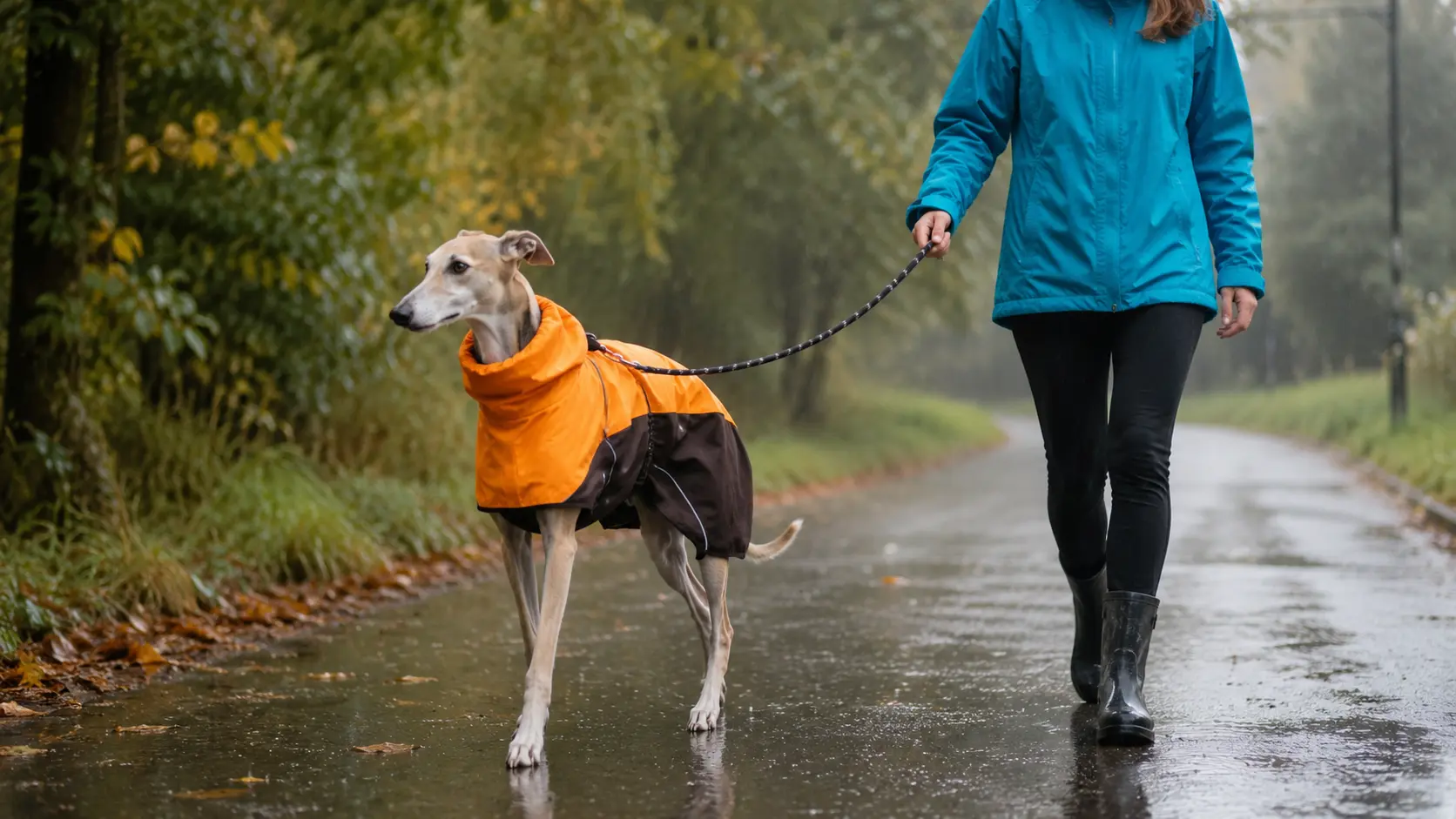
Based on the previous context discussing windproof dog raincoat fabric and Water Repellent technology, the material composition of a water-repellent dog raincoat is the primary determinant of its performance, durability, and comfort in various wet conditions. Unlike fully waterproof materials that rely on impermeable membranes, water-repellent fabrics use surface treatments and specific weave constructions to shed light moisture while prioritizing breathability and freedom of movement for active pets. The choice of base fabric, coating, and construction directly influences how the garment handles drizzling rain, wet grass, and daily wear.
Primary Base Fabrics and Their Performance Characteristics
The foundation of any raincoat is its base fabric. Nylon taffeta is a prevalent choice due to its high strength-to-weight ratio, excellent abrasion resistance, and smooth surface that allows water droplets to bead up and roll off effectively. It is often used in lightweight, packable designs. Polyester fabrics offer similar benefits with superior colorfastness and resistance to UV degradation, making them suitable for raincoats that see frequent sun exposure. For a softer, quieter feel with good drape, some manufacturers use polyester or nylon microfibers in a tight weave, which provides a denser barrier against wind and light rain while remaining supple against the dog’s coat.
Applied Water-Repellent Treatments and Durable Finishes
The water-repellent property is typically achieved through a applied finish. A Durable Water Repellent (DWR) coating is the most common. This is a fluoropolymer-based or newer eco-friendly PFAS-free treatment applied to the fabric’s surface. It works by lowering the surface tension of the fibers, causing water to form beads instead of spreading and soaking in. The quality and application method of the DWR significantly affect its longevity; a properly cured finish will survive numerous washes before needing re-treatment. Some advanced fabrics may use a silicone-based impregnation within the yarns themselves, offering a more integral and longer-lasting repellency that doesn’t wash off as easily as surface-applied coatings.
Laminates and Multi-Layer Constructions for Enhanced Protection
For higher-performance needs, water-repellent fabrics are often part of a layered construction. A common approach is a 2-layer laminate, where the outer water-repellent shell is permanently bonded to a lightweight, breathable polyurethane (PU) or thermoplastic polyurethane (TPU) coating on the inside. This adds a windproof barrier and increases water resistance without the bulk of a separate membrane. In more technical designs, a 2.5-layer construction might be used, featuring an ultra-thin protective print or film on the inner side of the outer fabric to enhance durability and weather protection while keeping the garment exceptionally lightweight and packable for hiking or travel.
Functional Material Features for Canine Comfort and Safety
Beyond the core water repellency, auxiliary material features are critical. Many raincoats incorporate a mesh or breathable lining in key areas like the back to allow heat and moisture vapor from the dog’s body to escape, preventing overheating. Seam construction is also a material consideration; seams should be sewn with synthetic thread and then sealed with waterproof tape or a liquid seam sealer to prevent water ingress through stitch holes. For visibility, reflective trims or prints using glass-beaded or prismatic reflective materials are integrated into the fabric. Finally, the material’s flexibility and memory are key; it should allow for a full range of motion without restrictive noise (like loud rustling) and return to its original shape without permanent creasing after being packed or worn.