

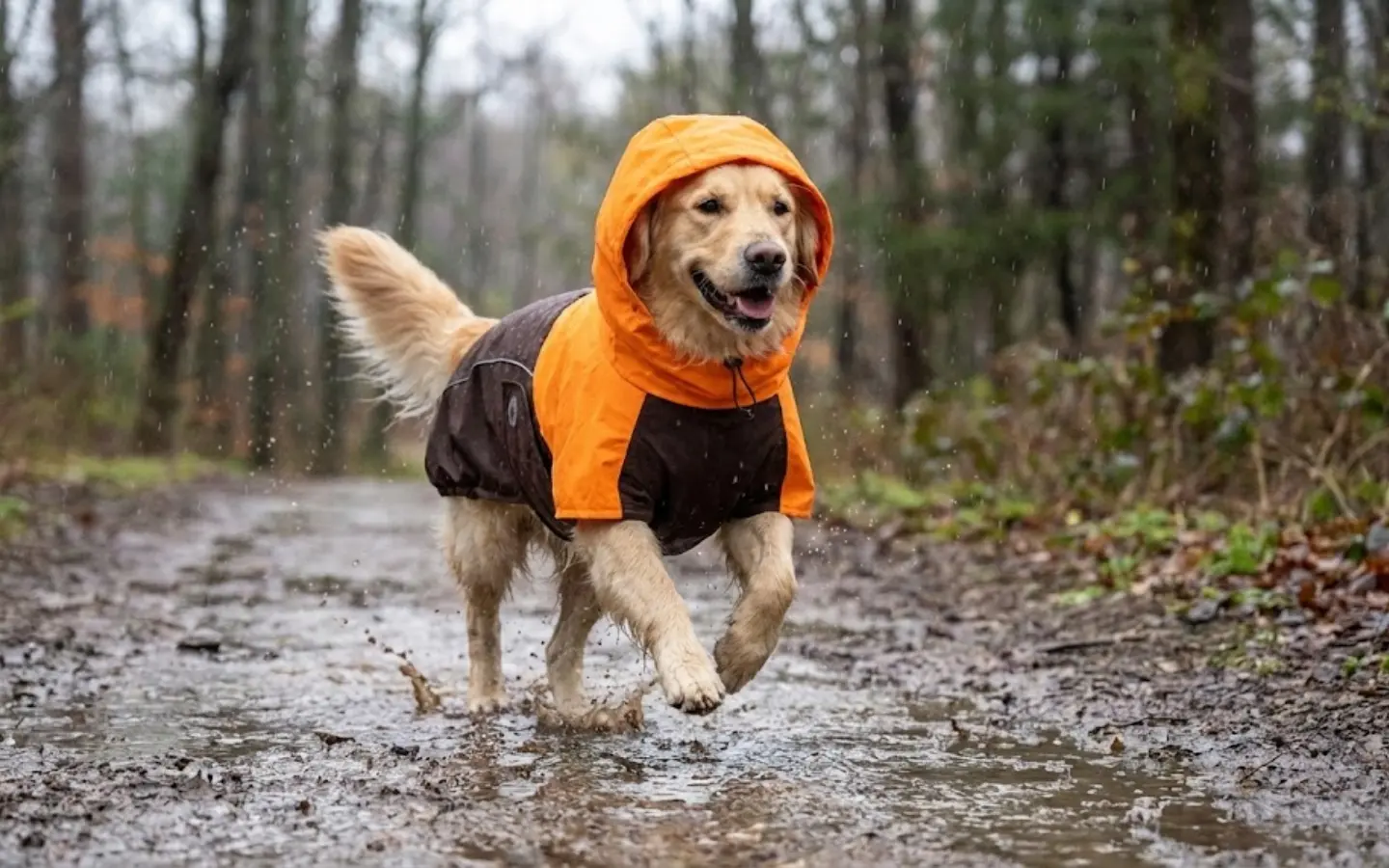
How to Choose the Right Dog Raincoat: A Comprehensive Guide
When it comes to keeping your furry friend dry and comfortable during rainy walks, a dog raincoat is an essential accessory. But with so many options available, selecting the perfect one can be a bit overwhelming. Here’s a detailed guide to help you make an informed decision.
Understanding Your Dog’s Needs
Size and Breed Considerations
The first step in choosing a dog raincoat is to consider your dog’s size and breed. Different breeds have varying body shapes and proportions, which means a one – size – fits – all approach won’t work. For example, a Dachshund has a long body and short legs, so a raincoat that is too long in the body but doesn’t cover the legs properly won’t be effective. Measure your dog’s length from the base of the neck to the base of the tail, chest girth around the widest part, and neck circumference. These measurements will help you find a raincoat that fits snugly but allows for comfortable movement.
Activity Level
Your dog’s activity level also plays a crucial role in the selection process. If your dog is highly active and loves to run and play in the rain, you’ll need a raincoat that is durable and allows for a wide range of motion. Look for materials that are stretchy and can withstand rough play without tearing. On the other hand, if your dog is more of a leisurely walker, a lighter – weight raincoat may be sufficient.
Health Conditions
Some dogs may have health conditions that require special consideration when choosing a raincoat. For instance, dogs with arthritis or joint problems may need a raincoat that is easy to put on and take off, with minimal bending or stretching required. Additionally, dogs with sensitive skin may need a raincoat made from hypoallergenic materials to avoid skin irritation.
Material Matters
Waterproof Fabrics
The primary function of a dog raincoat is to keep your dog dry, so waterproof fabrics are a must. Look for raincoats made from materials such as nylon or polyester with a waterproof coating. These fabrics are not only water – resistant but also lightweight and quick – drying. Avoid materials that absorb water easily, as they will make your dog feel heavy and uncomfortable.
Breathability
While waterproofing is important, breathability is equally crucial. A non – breathable raincoat can trap moisture inside, causing your dog to feel hot and sweaty. This can lead to skin problems and discomfort. Opt for raincoats with breathable membranes or mesh linings that allow air to circulate, keeping your dog cool and dry even during extended periods of wear.
Durability
Dogs can be rough on their clothing, especially during playtime. Choose a raincoat made from durable materials that can withstand scratches, bites, and general wear and tear. Reinforced seams and sturdy zippers or fasteners are also important features to look for, as they will ensure that the raincoat stays intact even after multiple uses.
Design Features for Functionality and Comfort
Adjustable Straps and Fasteners
A well – fitting raincoat should have adjustable straps and fasteners to ensure a secure and comfortable fit. Look for raincoats with adjustable neck, chest, and belly straps that can be tightened or loosened according to your dog’s body shape. Velcro fasteners are a popular choice as they are easy to use and can be adjusted quickly. Some raincoats may also have buckles or snaps for added security.
Hood Design
A hood can provide additional protection for your dog’s head and ears during heavy rain. However, not all dogs are comfortable wearing a hood. If you decide to choose a raincoat with a hood, make sure it is adjustable and can be removed if necessary. The hood should fit snugly around your dog’s head without restricting their vision or movement.
Leg Openings
Proper leg openings are essential to ensure that your dog can move freely while wearing the raincoat. Look for raincoats with elasticized or adjustable leg openings that can be customized to fit your dog’s legs comfortably. This will prevent the raincoat from riding up or restricting your dog’s stride. Some raincoats may also have leg covers that provide extra protection for your dog’s paws.
In conclusion, choosing the right dog raincoat requires careful consideration of your dog’s size, breed, activity level, health conditions, as well as the material and design features of the raincoat. By taking these factors into account, you can find a raincoat that will keep your furry friend dry, comfortable, and happy during rainy days.