

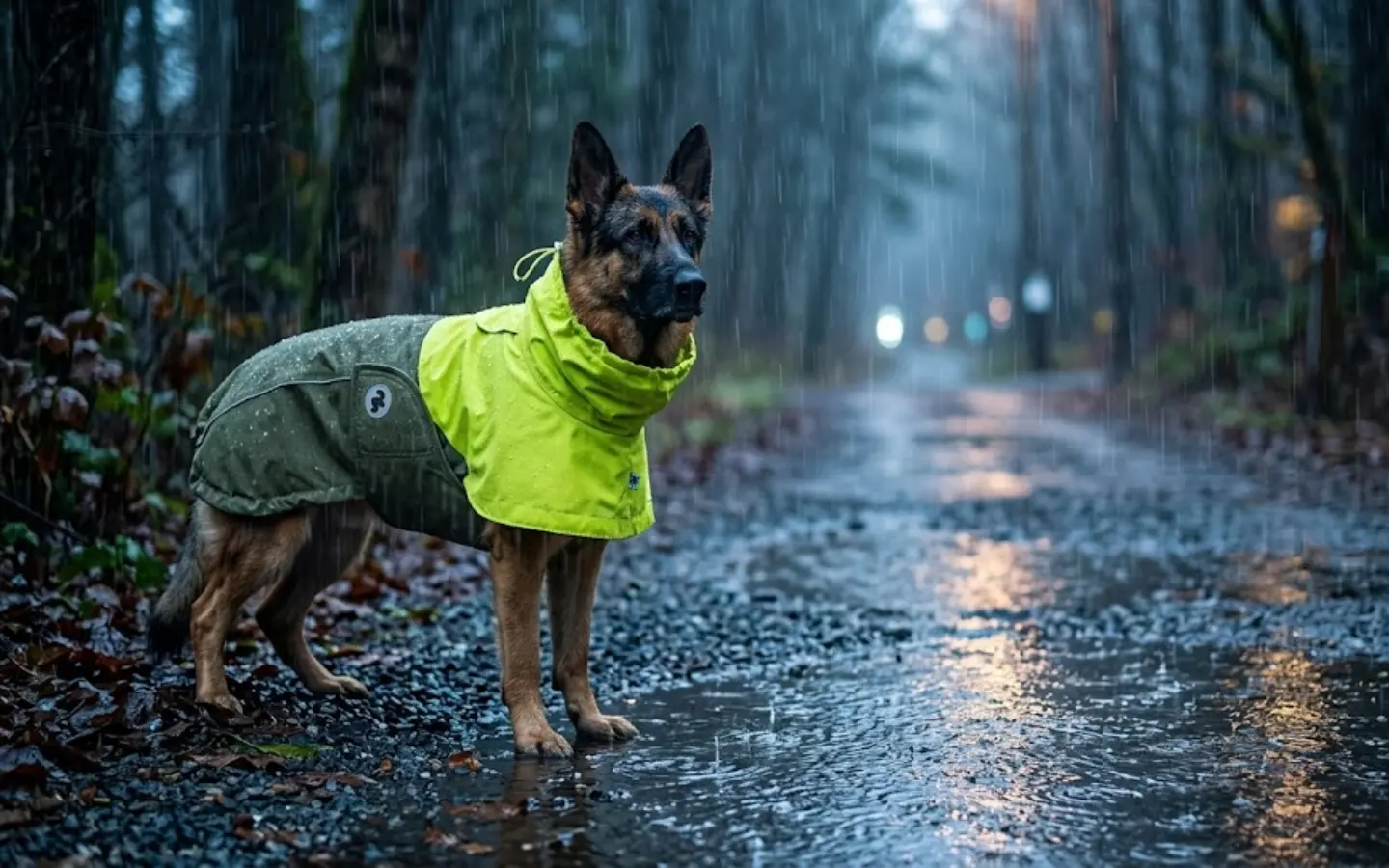
How to Choose the Right Raincoat for Your Dog: A Beginner’s Guide
When it comes to keeping your furry friend dry and comfortable during rainy walks, selecting the right raincoat is crucial. For new dog owners, navigating the myriad of options available can be overwhelming. This guide breaks down the essential factors to consider when choosing a raincoat for your dog, ensuring both functionality and comfort.
Understanding Your Dog’s Needs
Before diving into the specifics of raincoat features, it’s important to assess your dog’s unique requirements. Different breeds have varying coat types, body shapes, and activity levels, all of which influence the type of raincoat that will work best.
Short-Haired Breeds
Dogs with short hair, such as Boxers or Greyhounds, lack the natural insulation provided by a thick undercoat. This makes them more susceptible to the cold and wet conditions, necessitating a raincoat that offers both waterproofing and warmth. Look for raincoats with a breathable yet insulating lining to keep your short-haired pup cozy.
Active Breeds
For dogs that love to run and play, even in the rain, a lightweight and flexible raincoat is essential. Heavy or restrictive raincoats can hinder movement and reduce enjoyment during walks. Opt for materials that allow for a full range of motion, ensuring your active dog can jump, sprint, and explore without any hindrance.
Small Breeds
Small dogs, like Chihuahuas or Pomeranians, often have shorter legs, which means they are closer to the ground and more likely to get wet from puddles. A raincoat with extended coverage, including a longer back and belly panel, can provide the necessary protection from splashes and rainwater. Additionally, ensure the raincoat fits snugly but not too tightly, allowing for comfortable movement.
Key Features to Look For
Once you’ve identified your dog’s specific needs, focus on the following key features when selecting a raincoat:
Waterproof Material
The primary function of a raincoat is to keep your dog dry. Look for raincoats made from high-quality, waterproof materials that can withstand heavy downpours. Some raincoats feature a waterproof coating or laminate, which enhances their ability to repel water. Ensure the seams are sealed or taped to prevent water from seeping in through the stitching.
Breathability
While waterproofing is essential, breathability is equally important. A raincoat that traps moisture and heat can make your dog uncomfortable and even lead to overheating. Choose materials that allow air to circulate, keeping your dog cool and dry underneath the raincoat. Mesh linings or vents are common features that enhance breathability.
Reflective Elements
Visibility is a crucial safety consideration, especially during low-light conditions or nighttime walks. Many raincoats incorporate reflective stripes, patches, or trim, which increase your dog’s visibility to motorists and other pedestrians. This added safety feature can prevent accidents and ensure your dog remains visible even in the darkest of conditions.
Proper Fit and Sizing
A well-fitting raincoat is essential for both comfort and functionality. An ill-fitting raincoat can restrict movement, cause chafing, or even fall off during walks. To ensure the perfect fit, follow these steps:
Measure Your Dog
Use a soft fabric tape measure to take accurate measurements of your dog’s body. Key measurements include the back length (from the base of the neck to the base of the tail), chest girth (around the widest part of the chest), and neck circumference (where the collar normally rests). If the raincoat includes underbelly coverage, measure from the chest line down to the desired endpoint.
Compare to Size Charts
Most manufacturers provide size charts that correlate body measurements to specific raincoat sizes. Compare your dog’s measurements to the size chart to determine the appropriate size. Keep in mind that different brands may have slightly different sizing standards, so it’s always best to refer to the specific brand’s size chart.
Test Fit Before Purchase
If possible, try the raincoat on your dog before making a purchase. This allows you to assess the fit and make any necessary adjustments. Ensure the raincoat fits snugly but not too tightly, allowing for a full range of motion. Check that the raincoat covers all the necessary areas, including the back, chest, and belly, without dragging on the ground or restricting leg movement.
By considering your dog’s unique needs, focusing on key features, and ensuring a proper fit, you can select the perfect raincoat to keep your furry friend dry and comfortable during rainy walks. With the right raincoat, you and your dog can enjoy the outdoors, rain or shine.