

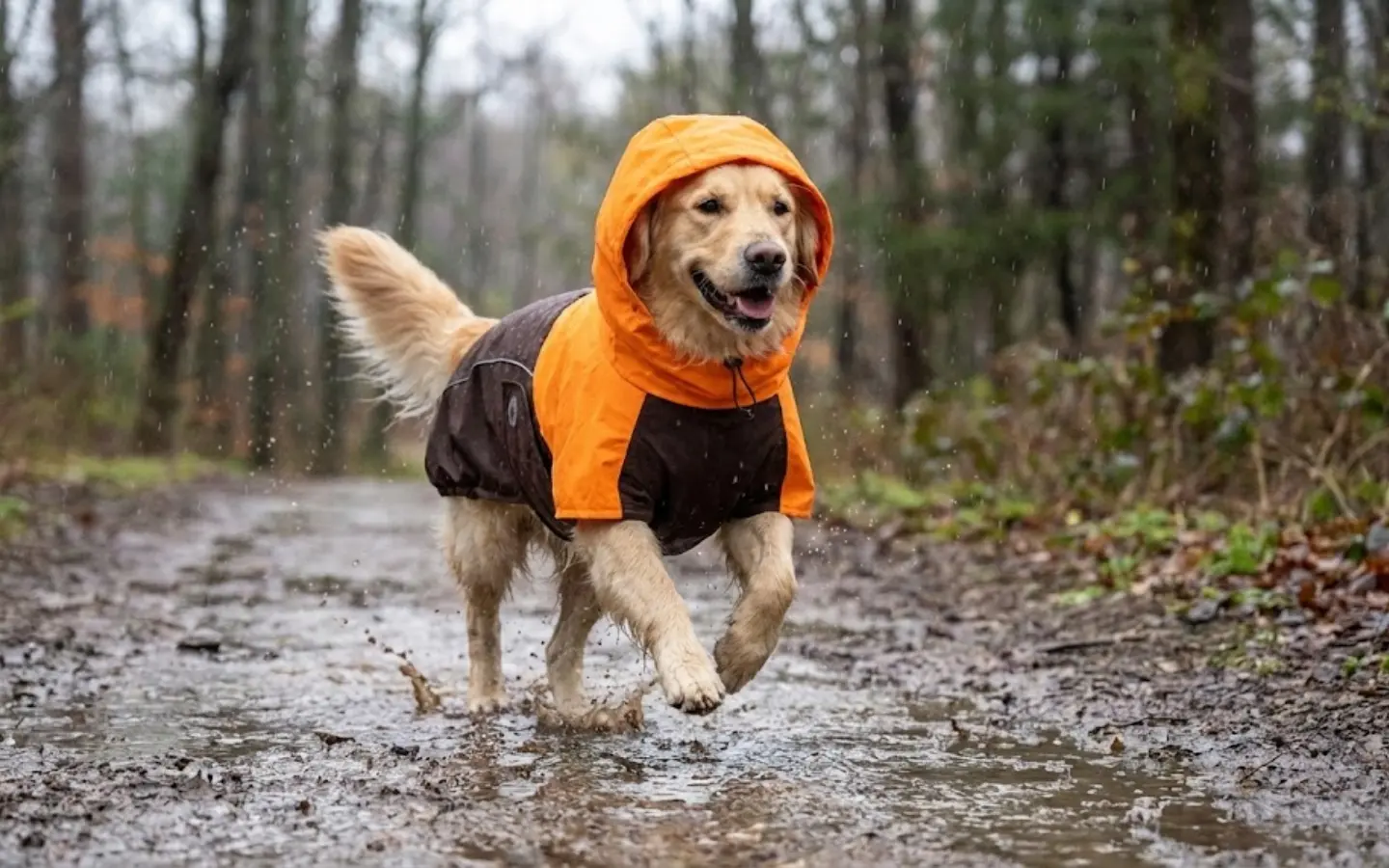
Tips and Methods for Selecting a Dog Raincoat
Understanding Your Dog’s Needs
Consider Your Dog’s Breed and Size
Different dog breeds have distinct body shapes and sizes, which significantly impact the choice of a raincoat. For instance, small – sized breeds like Chihuahuas or Pomeranians have petite frames. A raincoat that’s too large for them can drag on the ground, causing them to trip and potentially get injured. On the other hand, large breeds such as Great Danes or Saint Bernards require a raincoat with ample room to cover their long backs and broad chests.
Some breeds also have unique physical features. Dachshunds, with their long bodies and short legs, need a raincoat that fits snugly around their torso without restricting their leg movement. Bulldogs, with their stocky builds and short muzzles, may benefit from a raincoat that has a more open – front design to avoid putting pressure on their faces.
Factor in Your Dog’s Activity Level
The activity level of your dog is another crucial factor. If your dog is highly energetic and loves to run and play in the rain, you’ll need a raincoat that allows for a full range of motion. Look for raincoats made from lightweight, flexible materials that won’t weigh your dog down or restrict their movement. These materials should be able to withstand the wear and tear of your dog’s active play, such as jumping over obstacles or running through bushes.
For dogs that are more sedentary or prefer leisurely walks, a slightly heavier and more durable raincoat may be suitable. These raincoats can offer better protection against the elements and are less likely to get damaged during short, slow – paced walks.
Evaluating Raincoat Features
Waterproofing and Breathability
The primary function of a dog raincoat is to keep your furry friend dry. When evaluating waterproofing, check the material’s ability to repel water. High – quality waterproof fabrics are often treated with a special coating that prevents water from seeping through. You can look for raincoats labeled as “water – resistant” or “waterproof,” with the latter offering a higher level of protection.
However, waterproofing alone is not enough. Breathability is equally important. Dogs can get warm and sweaty under a non – breathable raincoat, especially during physical activity. A breathable raincoat allows air to circulate, helping to regulate your dog’s body temperature and prevent overheating. Look for materials that have small pores or are made from breathable fabrics like mesh inserts in certain areas.
Coverage and Fit
A well – fitting raincoat should provide comprehensive coverage. It should cover your dog’s back, chest, and belly, leaving only the legs and head exposed if necessary. Some raincoats come with adjustable straps around the neck, chest, and belly, allowing you to customize the fit for your dog. This is particularly useful if your dog has a unique body shape or if you want to ensure a snug fit that won’t shift during movement.
The length of the raincoat is also important. It should extend from the base of your dog’s neck to the base of their tail, providing full protection for their back. If the raincoat is too short, it may leave your dog’s lower back and tail exposed to the rain, defeating the purpose of wearing a raincoat.
Ease of Use
Putting on and taking off a dog raincoat should be a hassle – free process. Look for raincoats with simple and secure fastening mechanisms, such as snap buttons or Velcro straps. These are easy to operate and can be quickly adjusted to fit your dog. Avoid raincoats with complicated zippers or multiple fastenings, as they can be time – consuming to use and may cause stress for both you and your dog.
Some raincoats also have features that make them easier to put on, such as a large opening at the neck or a split – front design. These features allow you to slide the raincoat over your dog’s head and front legs without having to struggle with tight spaces.
Checking for Additional Features
Reflective Elements
If you often walk your dog in low – light conditions, such as early in the morning or late at night, reflective elements on the raincoat can be a lifesaver. Reflective strips or patches on the raincoat make your dog more visible to drivers and other pedestrians, reducing the risk of accidents. Look for raincoats with multiple reflective elements placed strategically around the body, such as on the back, sides, and legs.
Hood Design
A hood can provide additional protection for your dog’s head and ears from the rain. However, not all dogs are comfortable wearing a hood. If you decide to choose a raincoat with a hood, make sure it is adjustable and can be removed if necessary. The hood should fit snugly around your dog’s head without obstructing their vision or causing discomfort. Some hoods also have a drawstring or elastic band to ensure a secure fit.
Storage Pockets
Some dog raincoats come with storage pockets, which can be very convenient. You can use these pockets to store small items such as dog treats, poop bags, or your keys. This eliminates the need to carry an extra bag or worry about losing these items during your walk. Look for raincoats with pockets that are large enough to hold the items you need and are securely closed to prevent them from falling out.