

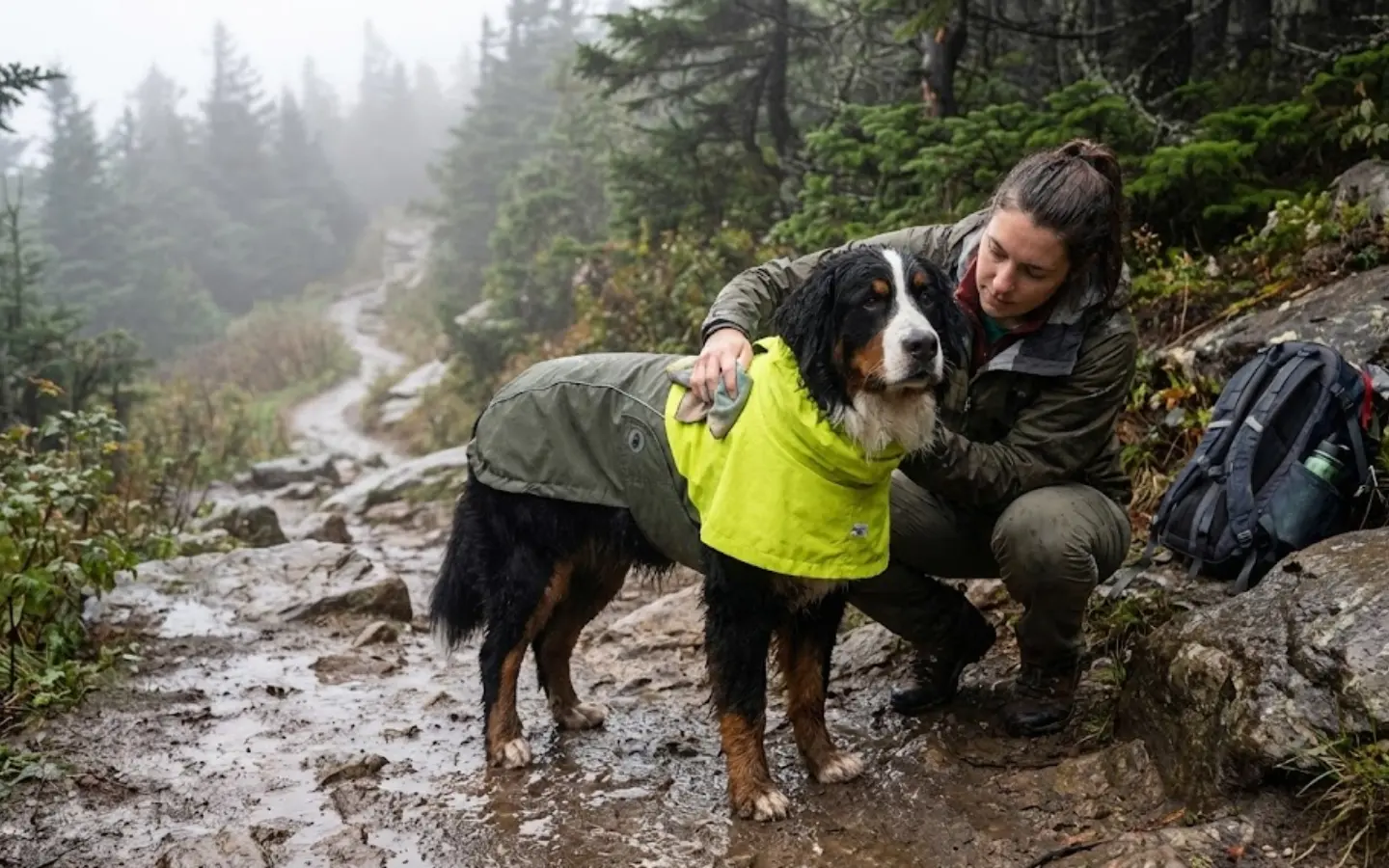
Key Criteria for Selecting Waterproof Dog Raincoats
When the rain starts pouring, ensuring your dog stays dry and comfortable during walks becomes a top priority. A high – quality waterproof dog raincoat is an essential accessory. Here are the important standards to consider when making your selection.
Material Quality and Waterproofing
Outer Fabric Selection
The outer fabric of the dog raincoat is the first line of defense against water. Opt for materials that are inherently water – resistant, such as nylon or polyester. These synthetic fabrics have tightly woven fibers that create a barrier, preventing water from penetrating easily. Some raincoats may also be treated with a water – repellent coating. This coating enhances the fabric’s waterproofing ability by causing water to bead up and roll off the surface rather than soaking in. Look for raincoats where the outer fabric has a high water – pressure resistance rating, indicating its ability to withstand heavy rainfall.
Seam Construction
Even the best waterproof fabric can be compromised if the seams are not properly constructed. Seams are potential weak points where water can seep through. Choose raincoats with taped seams. Taped seams involve applying a waterproof tape over the stitched seams, sealing them completely. This extra layer of protection ensures that no water can enter through the tiny gaps left by the stitching, keeping your dog dry even in prolonged rain exposure.
Inner Lining Considerations
While the outer layer focuses on waterproofing, the inner lining plays a crucial role in comfort. A breathable inner lining is essential to prevent your dog from getting overheated and sweaty inside the raincoat. Materials like mesh or a lightweight, moisture – wicking fabric are great choices. They allow air to circulate, carrying away any heat and moisture generated by your dog’s body. This helps maintain a comfortable temperature for your dog during the walk, even in wet conditions.
Fit and Comfort
Accurate Measurements
A well – fitting raincoat is vital for your dog’s comfort and effectiveness in keeping them dry. Take accurate measurements of your dog’s neck circumference, chest girth, and back length. These measurements will serve as the basis for selecting the right size raincoat. A raincoat that is too tight can restrict your dog’s movement and cause discomfort, while one that is too loose may not provide adequate protection and could get caught on objects during the walk.
Adjustable Features
Look for raincoats with adjustable features to ensure a customized fit. Adjustable straps around the neck, chest, and belly allow you to fine – tune the fit according to your dog’s body shape. Velcro straps are a common and convenient option as they are easy to use and can be adjusted quickly. Some raincoats may also have elasticated sections, which provide a snug fit while still allowing for some flexibility and movement.
Freedom of Movement
Your dog needs to be able to move freely while wearing the raincoat. Pay attention to the design around the legs and joints. Raincoats with strategically placed cut – outs or stretchy panels in these areas allow your dog to walk, run, and jump without any hindrance. Avoid raincoats that are overly stiff or have restrictive designs, as they can make your dog feel uncomfortable and may even discourage them from going for walks in the rain.
Design and Functionality
Leash Accessibility
Since you’ll be walking your dog on a leash, it’s crucial that the raincoat allows for easy leash attachment. Many raincoats have a dedicated leash hole or a built – in leash attachment point. The leash hole should be positioned in a way that doesn’t cause any discomfort to your dog and allows for a secure connection to the leash. Some raincoats may also have a reinforced area around the leash hole to prevent it from tearing over time.
Reflective Elements
Rainy weather often means reduced visibility, especially during dawn, dusk, or nighttime walks. To enhance your dog’s safety, choose a raincoat with reflective elements. These can be reflective strips, patches, or stitching that reflect light from car headlights or streetlights. This makes your dog more visible to motorists and other pedestrians, reducing the risk of accidents. Reflective elements are particularly important if you frequently walk your dog in low – light conditions.
Hood Design
A hood can provide additional protection for your dog’s head and ears from the rain. Look for a raincoat with a well – designed hood that fits comfortably over your dog’s head without obstructing their vision or hearing. Some hoods may have adjustable drawstrings or straps to ensure a snug fit, preventing the hood from slipping off during the walk. A hood with a visor can also be beneficial as it helps to deflect raindrops away from your dog’s face.
By considering these material quality, fit and comfort, and design and functionality criteria, you can select a waterproof dog raincoat that will keep your furry friend dry, comfortable, and safe during rainy walks.