

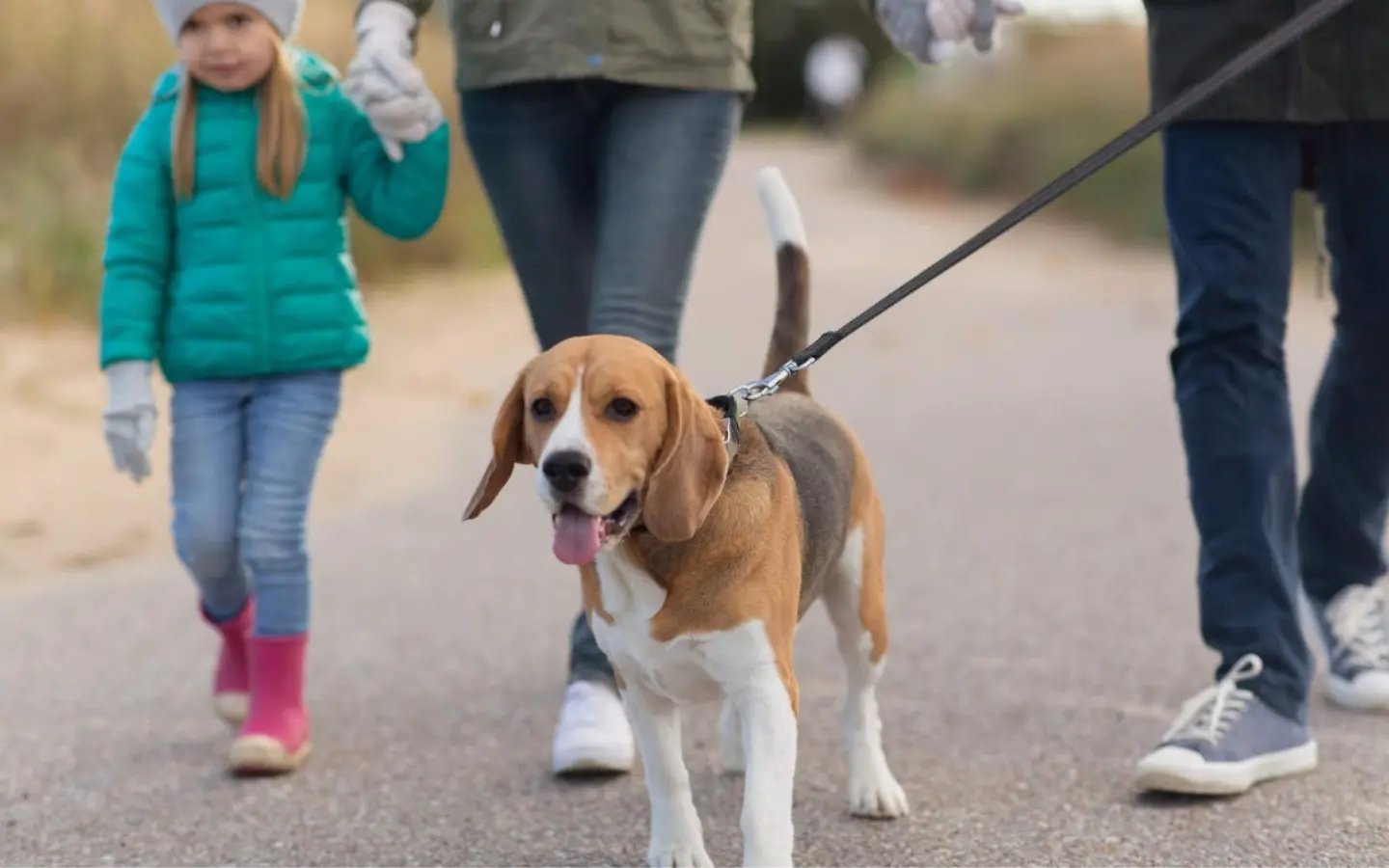
Hands free dog leashes have become increasingly popular among dog owners recently since they provide more freedom during walks or runs.Still, the question is: Is a Hands-Free Dog Leash Appropriate for Every Size and Breed of Dog? Knowing when these leashes might be helpful or maybe harmful is vital for guaranteeing comfort and safety for both you and your canine friend.
Understanding the Benefits of Hands-Free Dog Leashes
Freedom and Flexibility
Hands-free dog leashes provide a unique advantage for active handlers. They afford the ability to multitask, such as jogging or hiking, without the need to grip a standard leash. This type of leash is particularly advantageous for runners and individuals who might be pushing a stroller.
Reduced Physical Strain
The design of these leashes allows the distribution of pulling force across the handler’s waist and hips, reducing potential wrist and shoulder strain. This ergonomic advantage is especially beneficial when paired with a properly designed bungee belt system.
Ideal for Well-Trained Dogs
For dogs that are well-versed in leash manners, a hands-free option can enhance the walking experience by allowing a more natural movement. Some models come equipped with secondary handles for situations that demand occasional manual control.
When a Hands-Free Leash May Not Be Suitable
Reactive or Strong-Pulling Dogs
Reactive, excitable, or powerful dogs pose a challenge when using hands-free leashes. These dogs require more immediate and precise control, which is harder to achieve compared to traditional leashes. The risk of injury also increases if the dog lunges or pulls forcefully.
High-Traffic or Crowded Areas
In environments that are busy or unpredictable, a hands-free leash might not provide the necessary control. Quick, decisive handling is crucial in these situations, where managing a short lead can prevent accidents.
Durability Concerns
For strong pullers, a hands-free leash manufactured from light-duty materials might not withstand the strain, potentially leading to breakage. It’s important to select a leash that matches the dog’s strength and activity to ensure durability and safety.
Choosing the Right Hands-Free Leash
Consider Dog Size and Activity
Selecting a high-quality nylon leash with a shock-absorbing bungee is key for active dogs. Ensuring the hardware is sturdy and the waist belt is adjustable will contribute to overall safety during use.
Prioritize Training and Safety
For dogs still in training, opt for hybrid designs that incorporate manual handles. This feature allows handlers to quickly shorten the leash when more control is necessary.
Plan for Different Conditions
Reflective or waterproof features in your leash can prove beneficial during night walks or in wet environments, enhancing safety and durability.
Conclusion
So, Is a Hands-Free Dog Leash Suitable for Every Dog Breed and Size? The answer hinges on the dog’s behavior, the environment, and the desired activity. For well-trained, non-reactive dogs, especially in outdoor or active settings, a hands-free option can provide a liberating experience. However, for reactive or powerful pullers, or in high-risk environments, traditional leashes continue to offer superior control and safety. Ensure you assess the specific needs of your dog and activity level before making a decision. Ultimately, the right leash will enhance the bond between you and your dog, providing safe and enjoyable outings for both.