

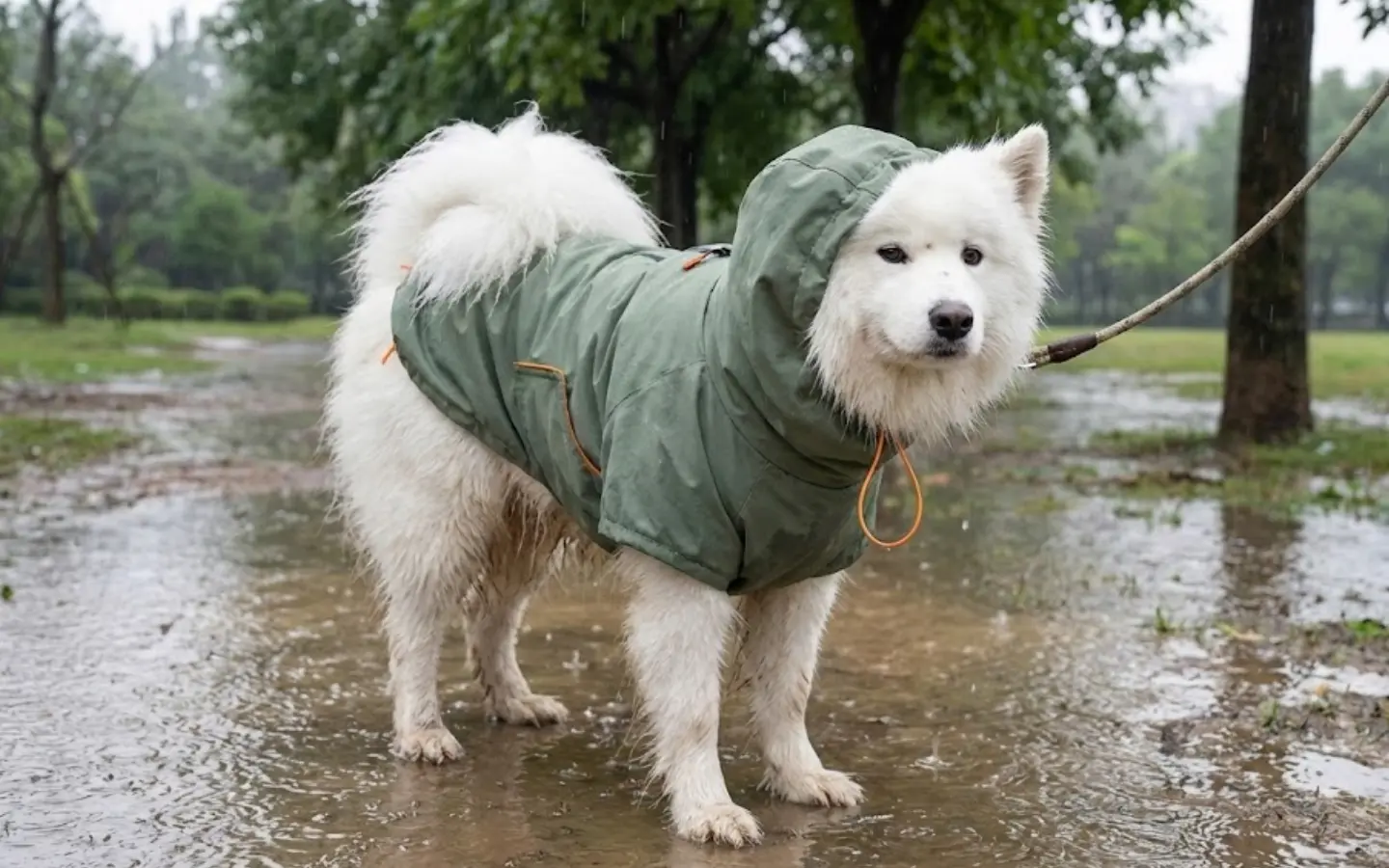
How to Choose a Dog Raincoat with Reflective Strips for Safety and Comfort
When selecting a dog raincoat with reflective strips, pet owners need to balance functionality, safety, and comfort. These specialized garments are designed to keep dogs dry during rainy walks while enhancing visibility in low-light conditions. Here’s a detailed guide to help you make an informed decision.
Understanding Key Features for Safety and Visibility
Reflective Strip Design and Placement
Reflective strips are the most critical safety feature in dog raincoats. Look for designs that incorporate multiple strips on high-visibility areas such as the back, sides, and hood. Strategic placement ensures maximum visibility from all angles, especially during dawn, dusk, or nighttime walks. Some advanced models use 3M reflective material, which offers superior brightness and durability compared to standard reflective threads.
Waterproof Material Selection
The primary function of a raincoat is to repel water effectively. Opt for fabrics with a high hydrostatic head rating, typically measured in millimeters (mm). A rating of 5,000mm is suitable for light showers, while 20,000mm or higher provides protection against heavy downpours. Common waterproof materials include:
- Polyester with waterproof coating: Lightweight and quick-drying, ideal for everyday use.
- Nylon ripstop: Durable and abrasion-resistant, perfect for active dogs.
- TPU-laminated fabric: Flexible and fully waterproof, often used in high-performance outdoor gear.
Breathability for Comfort
A waterproof raincoat must also allow air circulation to prevent overheating. Breathability is measured in grams per square meter (g/m²), indicating how much moisture vapor can escape through the fabric. Look for raincoats with a breathability rating of at least 5,000g/m² to ensure your dog stays comfortable during extended walks. Some models feature mesh panels or ventilation slits to enhance airflow.
Ensuring Proper Fit and Adjustability
Accurate Sizing Measurements
A well-fitting raincoat is essential for both comfort and functionality. Measure your dog from the base of the neck to the base of the tail to determine the correct length. Additionally, consider the chest girth and neck circumference for a snug fit. Many brands provide size charts based on these measurements, but always check if the chart aligns with your dog’s breed or body type. For example, dogs with thick coats or broad chests may require a size up.
Adjustable Features for Customization
Adjustable straps and buckles allow you to fine-tune the fit of the raincoat. Look for models with:
- Adjustable waistbands: Secure the raincoat around the belly without restricting movement.
- Elastic leg openings: Prevent water from seeping in while allowing full leg mobility.
- Hood adjustments: Ensure the hood stays in place without covering your dog’s eyes or ears.
Some raincoats also feature leash portals or harness compatibility, allowing you to attach a leash without removing the coat.
Additional Features for Practicality and Durability
Drainage Holes for Water Management
Even with a waterproof design, water can sometimes enter through the neck or hood. Choose a raincoat with drainage holes in the chest area to allow trapped water to escape, keeping your dog dry and comfortable. This feature is particularly useful for dogs that enjoy splashing in puddles or walking through heavy rain.
Easy-to-Clean Materials
Dogs often get dirty during outdoor adventures, so a raincoat that’s easy to clean is a practical choice. Look for fabrics that can be wiped down with a damp cloth or machine-washed on a gentle cycle. Avoid materials that require special care, such as dry cleaning or hand-washing, as they can be inconvenient for busy pet owners.
Lightweight and Packable Design
If you frequently travel with your dog or need to carry the raincoat during dry spells, opt for a lightweight and packable model. Some raincoats come with a stuff sack or can be folded into a compact size, making them easy to store in a bag or backpack. This feature is especially useful for hikers or pet owners who live in areas with unpredictable weather.
Final Considerations Before Purchase
Before making a final decision, consider your dog’s specific needs and habits. For example, if your dog is prone to overheating, prioritize breathability over heavy insulation. If your dog dislikes wearing clothing, choose a raincoat with a soft lining and minimal seams to reduce irritation. Additionally, read reviews from other pet owners to gauge the durability and performance of the raincoat in real-world conditions.
By focusing on safety features, proper fit, and practical additions, you can find a dog raincoat with reflective strips that keeps your furry friend dry, visible, and comfortable in any weather.