

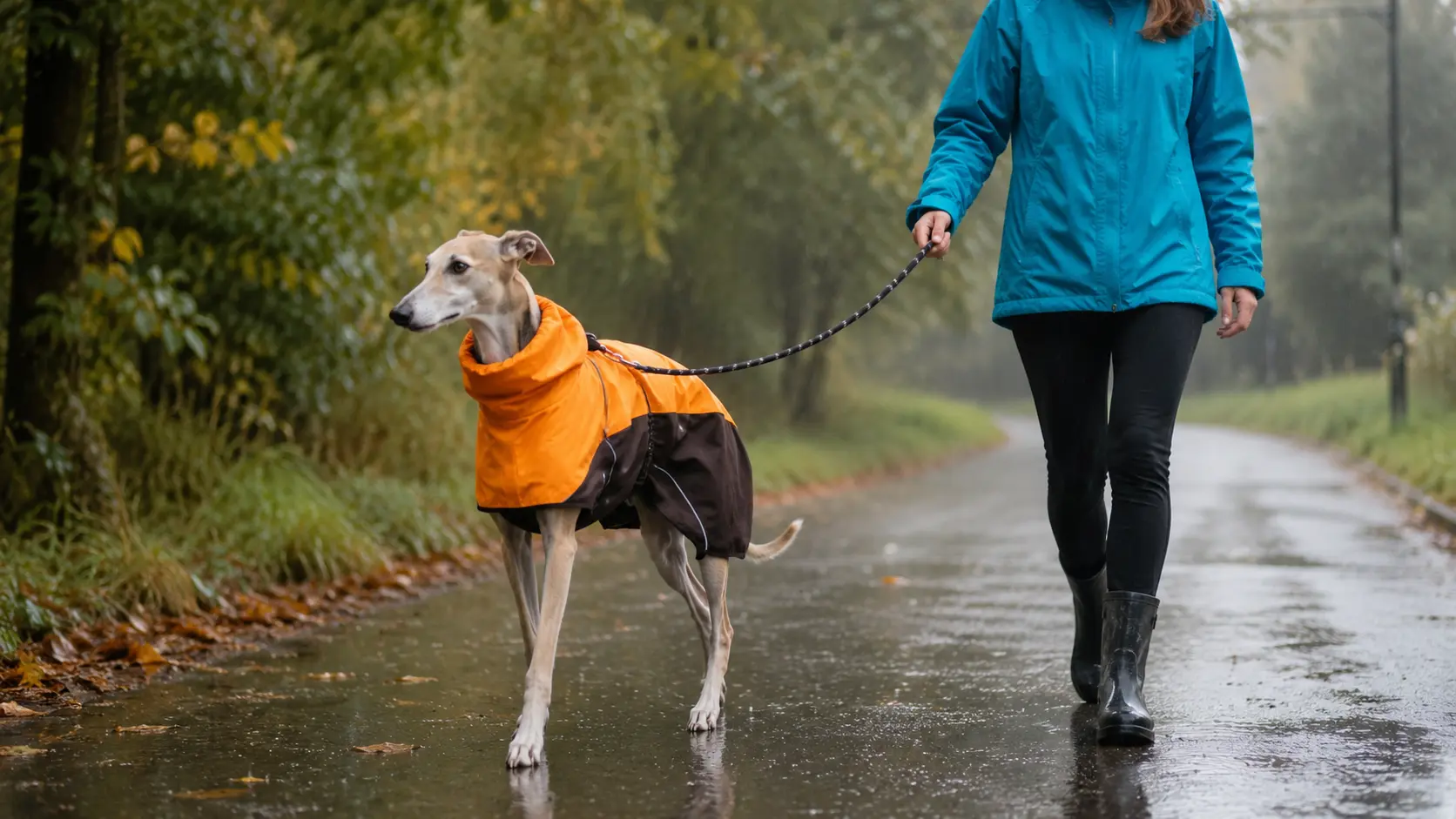
Not every dog needs a raincoat. A dog raincoat makes sense when rain creates a real problem: discomfort on walks, too much wet cleanup at home, or a routine that gets harder every time the weather turns bad. If those problems are minor, a raincoat may be helpful but unnecessary.
That is the better starting point for buyers. The real question is not “Do dogs need raincoats?” in the abstract. It is “Does my dog and my walk routine have a wet-weather problem this product actually solves?”
Quick Answer
A dog raincoat is usually worth considering when:
- your dog dislikes getting wet
- rainy walks create repeated cleanup problems
- your dog walks often in light to moderate rain
- you want a lighter solution for routine wet-weather use
A dog raincoat is often unnecessary when:
- your dog tolerates rain well
- your walk routine is short and low-friction
- the dog dries quickly and cleanup is manageable
- the real issue is warmth, not rain
The Biggest Mistake Buyers Make
The biggest mistake is treating rainwear as automatically useful for every dog. That leads buyers to shop the category before they have decided whether the category fits their actual problem.
A dog raincoat is not a universal need. It is a practical tool for a specific kind of friction:
- wet fur after routine walks
- mud and mess indoors
- discomfort in regular rainy conditions
- owners wanting easier, faster cleanup
If those problems are not meaningful, the product may not add enough value to matter.
When a Dog Raincoat Is Actually Useful
A dog raincoat is most useful when rainy weather changes the quality of the walk or the amount of work afterward. That usually happens in ordinary, repeatable situations rather than extreme weather.
A raincoat is more likely to help when:
- your dog does frequent walks in damp or rainy city conditions
- your dog gets soaked or muddy easily on the chest or underside
- your dog clearly dislikes wet weather
- you want a lighter layer for routine use rather than a bulky weather solution
The strongest case for a raincoat is not style. It is everyday practicality.
When a Dog Raincoat Is Probably Unnecessary
A dog raincoat is often overbought when the buyer is reacting to the category instead of the dog. Some dogs handle rain well, dry quickly, and do not seem bothered by wet conditions.
You may not need one when:
- your dog is comfortable in the rain
- post-walk cleanup is minor
- your walks are short enough that rain exposure is not a real issue
- you are solving a cold-weather problem rather than a rain problem
This is where better buying judgment matters more than broader product claims.
Rain Problem vs Warmth Problem
Many buyers think they need a raincoat when what they really need is warmth. Others buy a sweater when the real problem is wetness.
Use this distinction first:
| Real Problem | Better Starting Option | Why |
| Rain, wet fur, muddy cleanup | Built to help with wet-weather friction | |
| Cool weather, light chill, little rain | Better match when warmth matters more than coverage | |
| Harsher or longer wet exposure | Waterproof dog jacket | Better escalation when routine rainwear is not enough |
| Minimal weather friction | No outerwear | May be the simplest and most honest choice |
The best buying decision starts with the problem, not the label.
What a Dog Raincoat Should Not Be Asked to Do
A light routine-use dog raincoat should not be treated as a solution for every weather condition. Buyers often hear stronger-sounding claim language and assume the category covers everything equally well. That is where disappointment starts.
A practical dog raincoat may help in light to moderate rain, but buyers should be cautious about assuming:
- full waterproof protection in all conditions
- equal performance in prolonged heavy exposure
- universal compatibility with every harness setup
That kind of overreach creates the wrong expectations. [Verify claim]
A Better Decision Framework
If you are unsure whether your dog needs a raincoat, ask these four questions:
- Does rain create a real walk problem?
If the walk is noticeably less comfortable or more annoying because of rain, the category is more relevant.
- Is the problem wetness or warmth?
If wetness is the main issue, a raincoat is usually the better fit. If warmth is the main issue, start by comparing sweaters instead.
- Is this routine or occasional?
A dog raincoat makes more sense when the weather problem happens often enough to justify a repeat-use solution.
- Will this reduce friction or add it?
The right raincoat should make walks and cleanup easier, not create a new layer of hassle.
That framework is usually more useful than asking whether dogs “in general” need rainwear.
What Buyers Commonly Misunderstand
The most common misconceptions are:
- every dog needs a raincoat
- stronger weatherproofing language always means a better buy
- a raincoat and a sweater solve the same problem
- more gear is always the safer choice
A better approach is to buy for the routine you actually have, not the strongest scenario you can imagine.
Conclusion
Some dogs benefit from a raincoat, and some do not. The category makes sense when it improves rainy walks in a practical way: less mess, less discomfort, and less friction around everyday weather.
If you are deciding whether to buy one, start with your dog’s actual walk routine. If rain is the main problem, a dog raincoat is often worth considering. If it is not, the better choice may be a sweater, a heavier jacket, or no outerwear at all.