

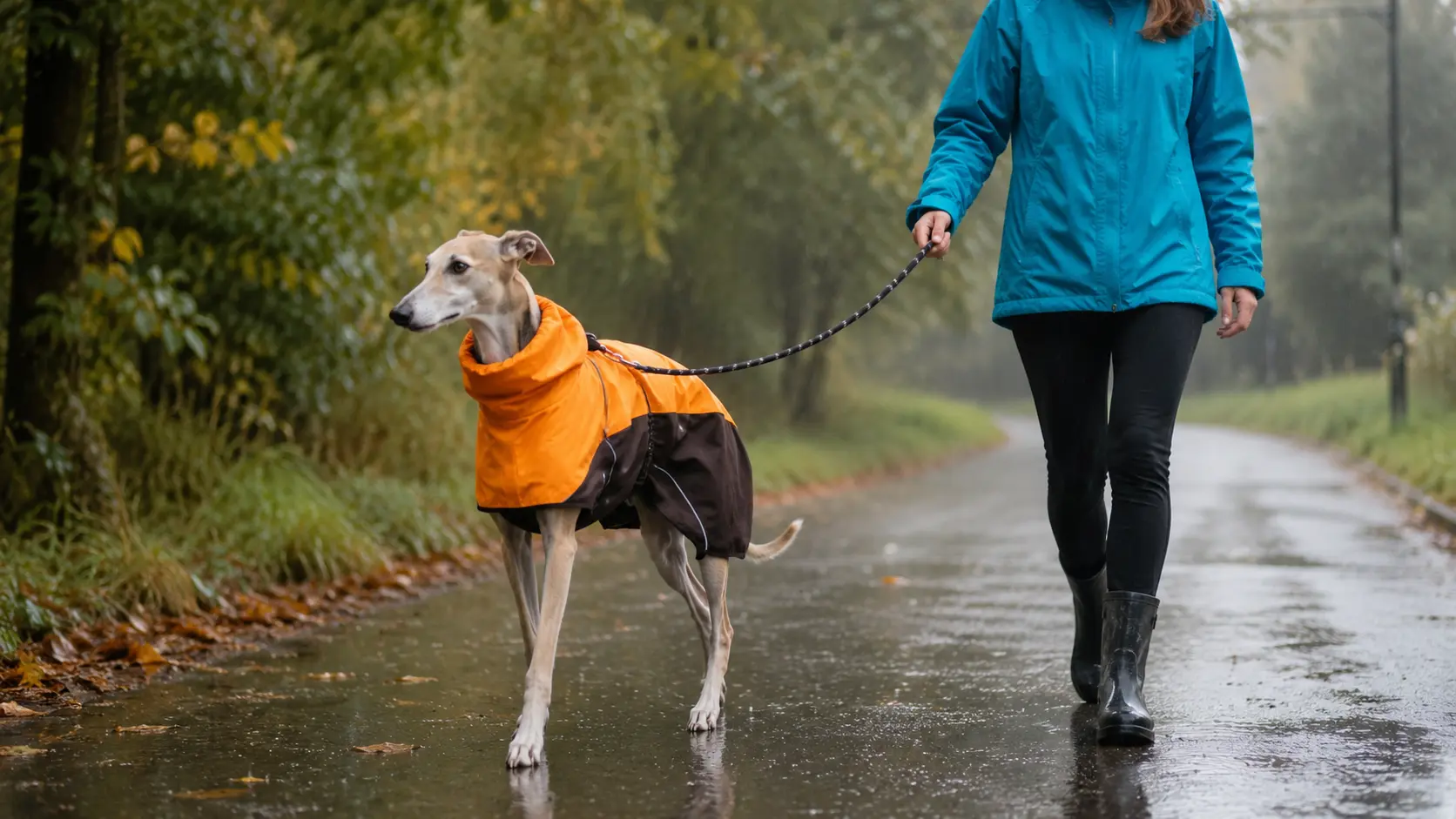
Breathable Mesh and Polyester Lining Fabrics
The inner lining of a dog raincoat serves as the critical interface between the waterproof outer shell and the pet’s skin and fur. Its primary functions are to manage moisture, provide comfort, and protect the coat. A well-chosen lining prevents the outer waterproof layer from sticking to or matting the dog’s fur, especially after extended wear or during active movement. For dogs with sensitive skin or thick undercoats, the lining’s breathability and texture are paramount to prevent overheating, chafing, or skin irritation.
Common lining materials include breathable polyester meshes, soft taffeta, or smooth tricot fabrics. These are typically lightweight and designed to wick minimal perspiration away from the body, allowing for air circulation. The lining is often quilted or bonded to the waterproof membrane in higher-performance garments, creating a single cohesive layer that enhances durability and eliminates internal seams that could trap moisture or cause discomfort.
Moisture Management and Quick-Drying Properties
A high-performance lining must address moisture from two sources: external precipitation that may seep through zippers or seams, and internal perspiration from the dog. While dogs primarily cool through panting, they can still perspire through their paw pads and, to a lesser extent, their skin. Lining fabrics with moisture-wicking properties help disperse any minimal dampness, keeping the inner surface drier against the dog’s skin.
Quick-drying capability is an essential feature. After a walk in the rain, the raincoat’s outer layer can be towel-dried, but any moisture that reaches the lining should evaporate rapidly. Synthetic materials like microfiber polyester are favored for this purpose, as they absorb very little water and dry much faster than natural fibers like cotton, which would retain moisture and lead to a cold, clammy feeling for the pet.
Durability, Cleaning, and Skin Safety Considerations
The lining must withstand repeated use, putting on, taking off, and the movement of an active dog. It should be resistant to pilling, tearing, and abrasion from the dog’s fur and any harness worn underneath. Reinforced stitching at stress points, such as around the leg openings and belly strap, is crucial for longevity.
From a maintenance perspective, the lining fabric should be easy to clean. Most quality linings can withstand machine washing on a gentle cycle, which is necessary to remove dirt, fur, and odors. The fabric should not shrink or degrade significantly after multiple washes. Furthermore, skin safety is non-negotiable. The lining material should be free from harmful dyes or chemical finishes that could cause allergic reactions. Fabrics that are Oeko-Tex certified or meet similar safety standards provide assurance that they have been tested for a range of regulated and non-regulated harmful substances, making them safer for prolonged contact with a pet’s skin.