

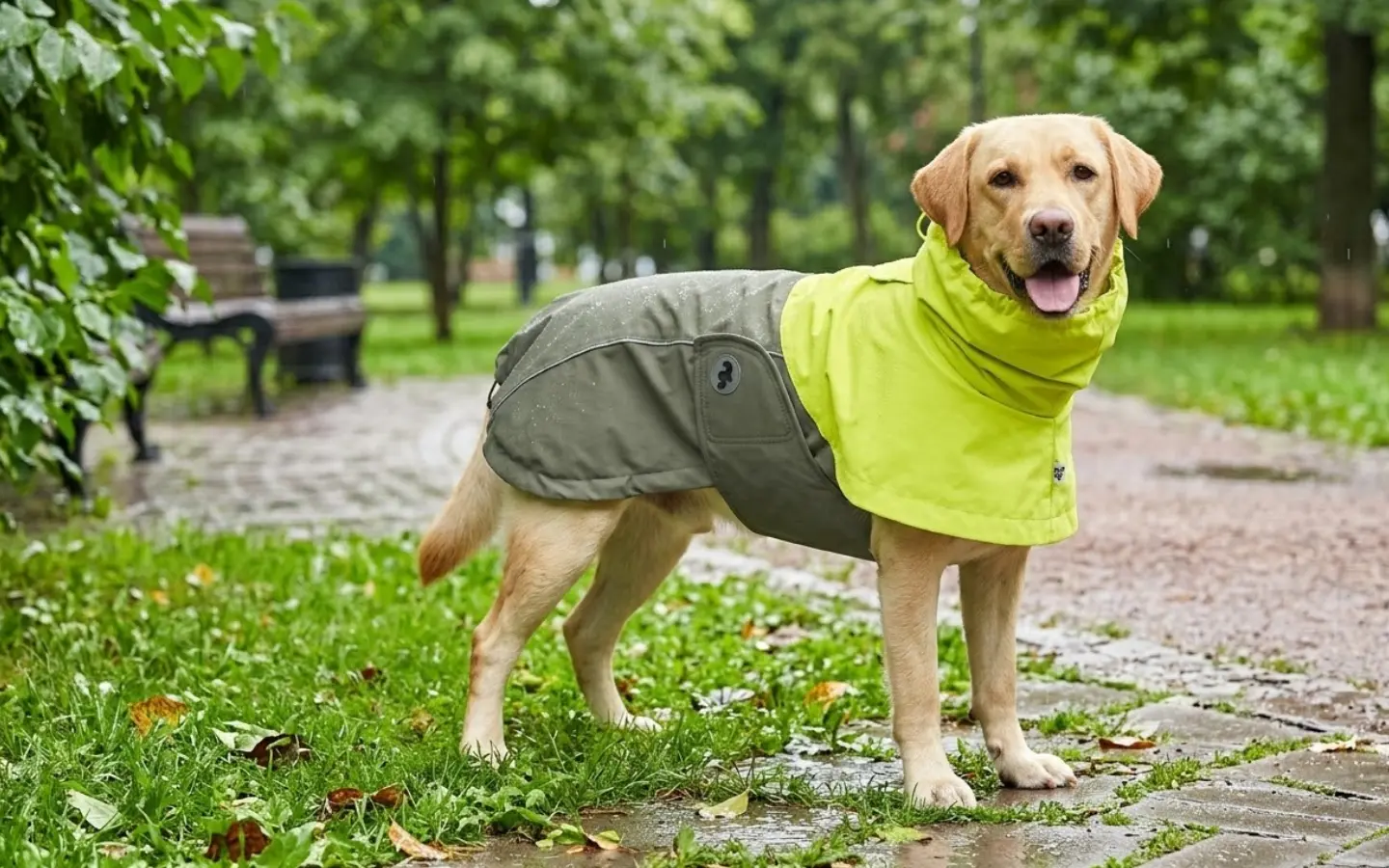
Selecting an odor-resistant material for a dog raincoat is a key consideration for pet owners seeking a comfortable, hygienic, and long-lasting solution for wet-weather walks. Odors in pet gear often develop from a combination of moisture retention, bacterial growth on the material surface, and the breakdown of certain chemical compounds used in manufacturing. By understanding the material properties that inherently resist these factors, owners can make an informed choice that prioritizes both their dog’s comfort and household freshness.
Inherently Non-Porous and Quick-Drying Fabrics
The foundation of odor resistance is a material’s ability to repel water at the surface and dry rapidly, preventing the damp environment where odor-causing bacteria and mildew thrive. Fabrics with a tight weave and a durable water-repellent (DWR) finish cause water to bead up and roll off, rather than being absorbed. Beyond surface treatment, the base fabric itself should be hydrophobic. Polyester and nylon, when constructed for performance outerwear, are inherently quick-drying and less prone to holding moisture compared to natural fibers like cotton. Look for descriptions specifying “breathable” and “fast-drying” properties, as these indicate the fabric allows vapor (like a dog’s light perspiration) to escape while shedding liquid water.
Antimicrobial Treatments and Coating Considerations
Many modern technical fabrics incorporate built-in antimicrobial or odor-control technologies. These are not just surface sprays but are often integrated into the fibers or coatings during manufacturing. Technologies such as silver-ion treatments or other EPA-registered antimicrobial agents inhibit the growth of bacteria and fungi on the fabric itself. When evaluating such features, it’s important to distinguish between a permanent treatment bonded to the material and a topical coating that may wear off after several washes. Materials like TPU (Thermoplastic Polyurethane) laminates or coatings are popular not only for their excellent waterproofing but also because they are typically inert and non-porous, offering no food source for microbes and being easy to wipe clean.
Material Composition and Volatile Organic Compound (VOC) Emission
A significant source of initial “new gear” odor, and sometimes persistent chemical smells, stems from volatile organic compounds (VOCs) released by certain plastics and adhesives. Lower-quality PVC (vinyl) materials or fabrics with heavy solvent-based coatings and adhesives are common culprits. Opting for materials described as “phthalate-free,” “low-VOC,” or meeting specific environmental or safety standards (like OEKO-TEX) can minimize this issue. TPU is frequently highlighted as a more environmentally friendly alternative to PVC, known for having little to no plasticizer odor. Checking product specifications for mentions of “eco-friendly,” “non-toxic,” or “food-grade” materials can be a reliable indicator of lower odor potential from chemical off-gassing.