

The Impact of Raincoat Colors on a Dog’s Outdoor Visibility: A Guide to Safety and Awareness
When walking dogs in rainy, foggy, or low-light conditions, ensuring they remain visible to drivers, cyclists, and pedestrians is critical for their safety. The color of a dog’s raincoat plays a significant role in how easily they can be spotted in various environments. By understanding how different hues interact with natural and artificial light, owners can make informed choices that reduce the risk of accidents and enhance outdoor experiences for both pets and humans.
Bright and Neon Colors: Maximizing Visibility in Low-Light Settings
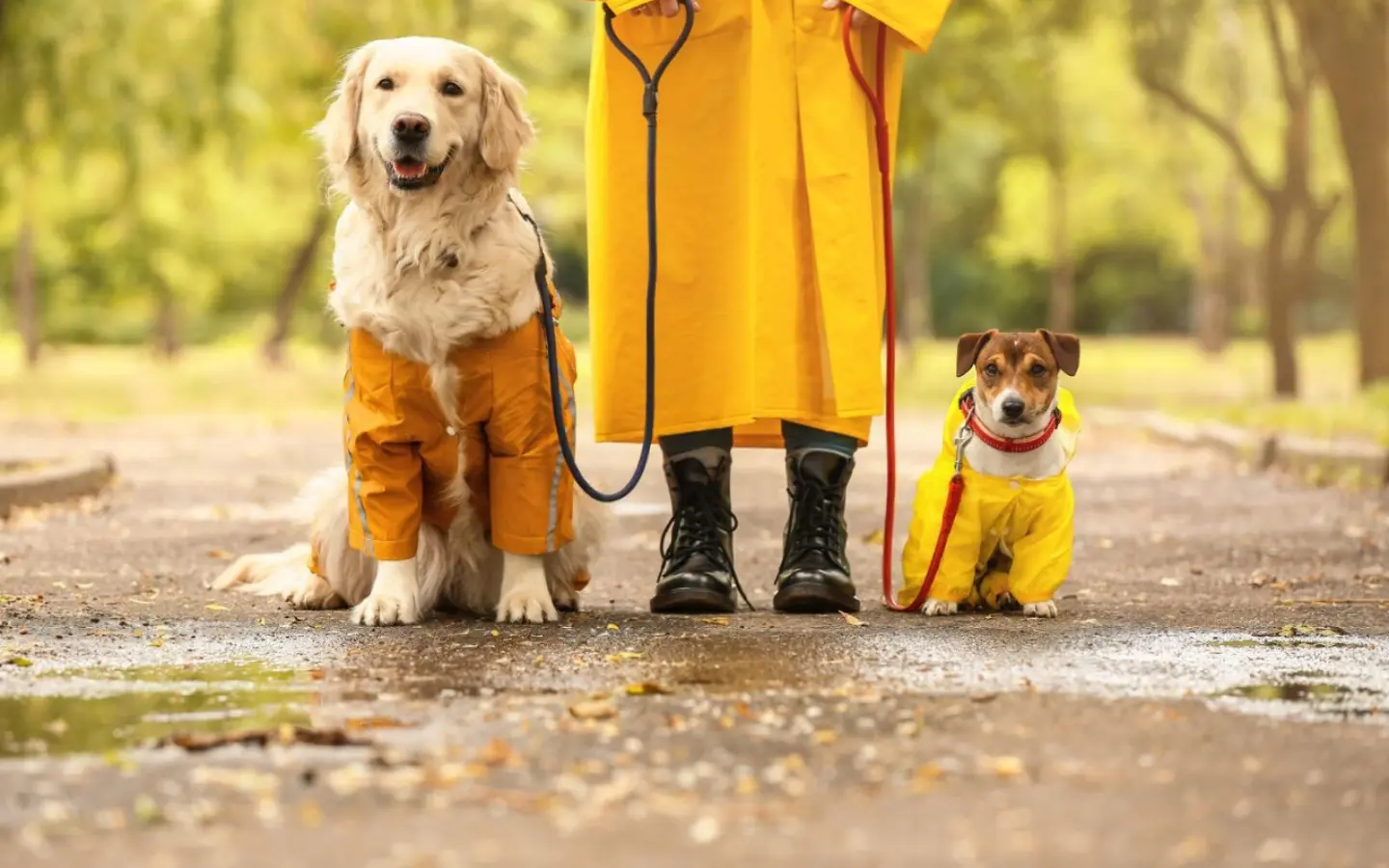
Bright colors like neon yellow, electric orange, and hot pink are designed to stand out against dull or dark backgrounds. These shades absorb and reflect more light than muted tones, making them ideal for early morning walks, dusk strolls, or overcast days. For example, a neon green raincoat can be seen from a greater distance in foggy weather compared to a dark blue one, as it catches scattered light particles in the air.
Neon colors also contrast sharply with natural elements like grass, dirt, or pavement, ensuring dogs remain noticeable even when moving quickly. This is particularly important for energetic breeds that may dart off-leash or explore dense vegetation. In urban environments, bright hues help drivers distinguish dogs from shadows or obstacles, giving them more time to react. However, avoid overly complex patterns, as they can dilute the effectiveness of a bright base color by creating visual noise.
Reflective Elements: Enhancing Nighttime Safety Through Light Reflection
While color is important, reflective materials add an extra layer of visibility during nighttime or pitch-dark conditions. Many raincoats incorporate reflective strips, piping, or stitching in colors like silver, white, or neon green. These elements don’t emit light but bounce back headlights, flashlights, or streetlights, creating a glowing effect that’s hard to miss.
For instance, a black raincoat with reflective silver trim will be far more visible at night than a solid black one without such features. Reflective details are especially useful for dogs that accompany owners on evening runs or late-night potty breaks. When choosing a raincoat, ensure reflective components are strategically placed on high-movement areas like the back, legs, or tail, as these sections catch light more effectively when the dog walks or runs.
Dark Colors: Risks and Contexts Where They May Be Appropriate
Dark raincoat colors such as black, navy, or deep brown are generally discouraged for outdoor visibility, as they absorb light and blend into shadows, foliage, or asphalt. However, there are scenarios where darker shades might be acceptable. For example, a dog walking in a snowy environment could wear a dark raincoat to contrast with the bright white surroundings, though reflective elements should still be added for safety.
In well-lit urban areas during daylight hours, dark colors may pose fewer risks, especially if the raincoat features subtle reflective accents. Additionally, some owners prefer dark hues for aesthetic reasons or to hide dirt on active dogs. If opting for a dark raincoat, prioritize materials with a matte finish to reduce glare in sunlight and ensure the dog’s collar or leash includes bright or reflective features for backup visibility.
Environmental Factors That Influence Color Effectiveness
The impact of raincoat color on visibility also depends on the surrounding environment. In wooded areas, earthy tones like olive green or mustard yellow may blend in during the day but become invisible at night without reflective strips. Conversely, in desert or arid regions, light colors like beige or pale gray might reflect sunlight effectively but disappear against sandy terrain after sunset.
Weather conditions like heavy rain or snow can further alter color perception. Water droplets or snowflakes on a raincoat may distort its appearance, so choosing a color with high contrast—such as neon pink against gray skies—helps maintain visibility. Always test the raincoat in different settings before relying on it for safety, and adjust based on seasonal changes in lighting and foliage.
Balancing Style With Practicality
While safety is paramount, owners can still select raincoat colors that reflect their dog’s personality or match their own outdoor gear. For example, a playful dog might wear a rainbow-striped raincoat with reflective threads, combining visibility with fun aesthetics. The key is to avoid sacrificing brightness or reflectivity for style, as even a fashionable raincoat is ineffective if it puts the dog at risk.
By prioritizing high-visibility colors and reflective features, owners can ensure their dogs stay safe and seen in any outdoor setting. Whether navigating busy streets, quiet trails, or stormy weather, the right raincoat color transforms a functional accessory into a lifesaving tool.