

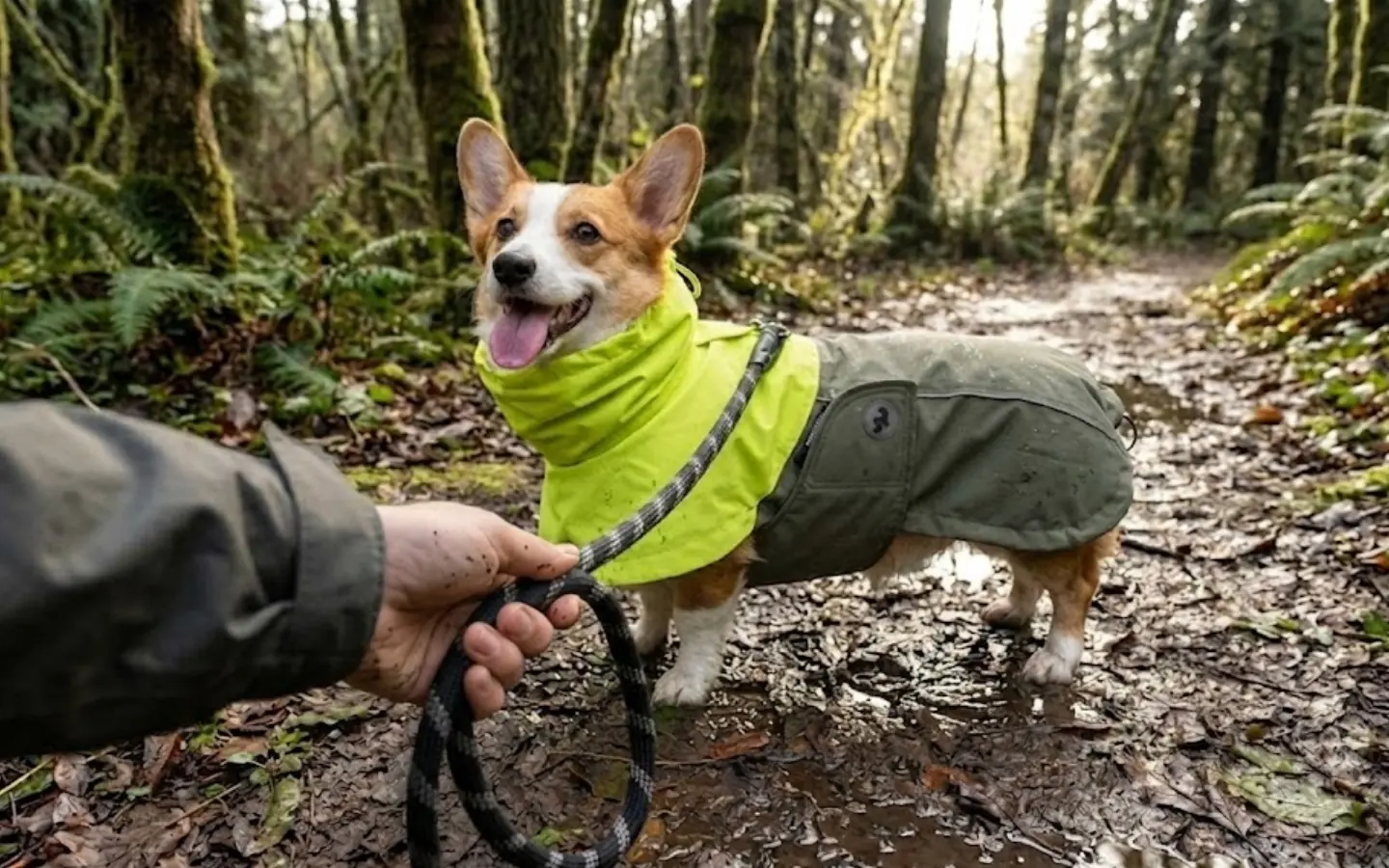
A dog raincoat is worth buying when it solves a real problem: wet cleanup, rain discomfort, or routine walks that become harder in bad weather. For most buyers, the right decision depends less on broad “waterproof” claims and more on fit, harness compatibility, and whether the coat matches the kind of rain their dog actually walks in.
If your dog only goes out briefly and handles rain well, a raincoat may be optional. If your dog dislikes getting wet, gets messy quickly, or walks often in light to moderate rain, a raincoat is more likely to be useful.
Quick Answer
If you are deciding whether to buy a dog raincoat, focus on these four things first:
- fit and freedom of movement
- harness compatibility
- realistic rain protection
- easy cleanup after use
If a product page does not make those four things clear, it is probably not helping you make a confident decision.
Who Actually Benefits From a Dog Raincoat?
A dog raincoat is most useful for dogs and owners who deal with recurring wet-weather friction. That usually means one of three problems: the dog gets uncomfortable in rain, the walk becomes harder to manage, or the cleanup afterward becomes annoying enough to matter.
A raincoat is more likely to help when:
- your dog dislikes getting wet
- your dog does frequent walks in rainy city conditions
- your dog gets muddy or soaked easily on the chest or underside
- you want less drying and cleanup after ordinary walks
A raincoat is less essential when:
- your dog tolerates rain well
- your dog dries quickly and does not mind wet conditions
- your walk routine is short and weather exposure is minimal
The main point is simple: not every dog needs rainwear, so the buying decision should start with use case, not category hype.
What Matters Most Before You Buy?
The best dog raincoat is not the one with the biggest promise. It is the one that works in the conditions your dog actually sees.
-
Fit Matters More Than Style
Fit is usually the biggest reason a dog raincoat gets used or ignored. A coat that shifts, bunches, or restricts movement may look acceptable in a product photo but still fail on a real walk.
A good fit should:
- allow a normal stride
- stay stable during movement
- provide useful coverage without excess bulk
- avoid interfering with turning, sitting, or bathroom use
A common buyer mistake is relying on breed guesswork instead of measurements. A real sizing chart is more useful than a vague size label. [Replace with actual size chart details]
-
Harness Compatibility Is Part of the Core Decision
For many buyers, harness compatibility is not an extra feature. It is part of the purchase decision itself. If the dog already walks in a harness, the raincoat should work with that setup predictably.
A harness opening may help, but buyers should still check:
- where the opening sits
- whether it matches their actual harness style
- whether the coat stays in place during use
A product page should not imply universal compatibility unless that has been clearly verified. [Replace with actual compatibility detail]
-
Rain Protection Should Match Real Use
The most useful question is not “Is it waterproof?” but “What kind of walk is this coat built for?” A lightweight raincoat that works well in light to moderate rain may be the right choice for routine daily use, even if it is not meant for prolonged heavy exposure.
That is why honest boundary-setting matters. Buyers need to know:
- what weather the coat is designed for
- what it is not designed for
- when a heavier option may make more sense
This builds more trust than exaggerated claim language.
-
Daily Practicality Often Matters More Than Feature Hype
For many owners, the real benefit of a dog raincoat is not technical performance in the abstract. It is whether the walk feels easier and the cleanup afterward feels lighter.
A practical raincoat should help with:
- faster post-walk cleanup
- less wet fur indoors
- easier routine use
- less friction during daily bad-weather walks
If a coat creates more hassle than it removes, it is not the right fit for routine use.
Dog Raincoat vs Dog Sweater vs Waterproof Jacket
Most buyers are not just choosing whether to buy a dog raincoat. They are choosing between several rain or cold-weather options.
| Option | Best For | Main Limitation |
| Dog raincoat | Light to moderate rainy walks, everyday use, easier cleanup | May not suit heavy or prolonged exposure |
| Dog sweater | Cool weather where warmth matters more than rain | Does little for real wet-weather coverage |
| Waterproof dog jacket | Harsher conditions or stronger coverage needs | Often bulkier for routine daily use |
| No outerwear | Dogs that tolerate rain well | More wet cleanup and less coverage |
The best choice depends on the actual problem:
- choose a raincoat when rain is the main issue
- choose a sweater when warmth is the main issue
- choose a waterproof jacket when conditions are more demanding
- choose no outerwear when the dog genuinely does not need added protection
The Most Common Buying Mistakes
Many buyers do not choose the wrong product because they lack options. They choose the wrong product because they are given the wrong comparison frame.
The most common mistakes are:
- buying based on appearance instead of fit
- treating waterproof and water-resistant as the same thing
- assuming harness compatibility without checking details
- choosing maximum coverage without considering movement
- buying for extreme weather when the real need is ordinary rainy walks
A better process is:
- define the real walk problem
- measure the dog
- compare based on fit, compatibility, and weather use
- choose the simplest product that solves the routine need
A Better Way to Evaluate a Dog Raincoat
If you want a quick decision framework, use this:
Buy a dog raincoat when:
- your dog often comes back uncomfortably wet
- cleanup after rainy walks is becoming a routine problem
- your dog needs frequent walks in light to moderate rain
- you want a lighter everyday solution rather than a bulky weather layer
Reconsider or compare alternatives when:
- the dog already handles wet weather well
- the main issue is cold, not rain
- the coat’s fit or harness compatibility is unclear
- the product relies on strong claims without clear boundaries
That is usually enough to decide whether the category makes sense before comparing individual products.
FAQ
Do all dogs need a raincoat?
No. A dog raincoat helps most when wet-weather walks create a real comfort or cleanup problem. Dogs that tolerate rain well may not need one.
How should a dog raincoat fit?
It should stay in place without restricting normal movement. A useful fit provides practical coverage while still allowing natural walking, turning, and bathroom use.
Can a dog raincoat work with a harness?
Some can, especially if they include a harness opening, but buyers should still verify whether the opening matches their actual harness setup.
Is water-resistant enough for most walks?
For many short to medium walks in light to moderate rain, yes. For harsher or longer exposure, buyers should compare that protection level against heavier alternatives.
What should I measure before buying?
Use the product’s real size chart and follow the brand’s actual measurement guidance. Avoid relying only on breed assumptions. [Replace with actual measurement fields]
Final Takeaway
A dog raincoat is a smart buy when it improves real walk comfort, reduces cleanup, and fits the dog’s daily routine. The strongest buying decision usually comes from fit, compatibility, and honest weather-use boundaries, not from the strongest claim on the page.
If you are comparing options, start with the walk routine first, then choose the coat that best matches that reality.