

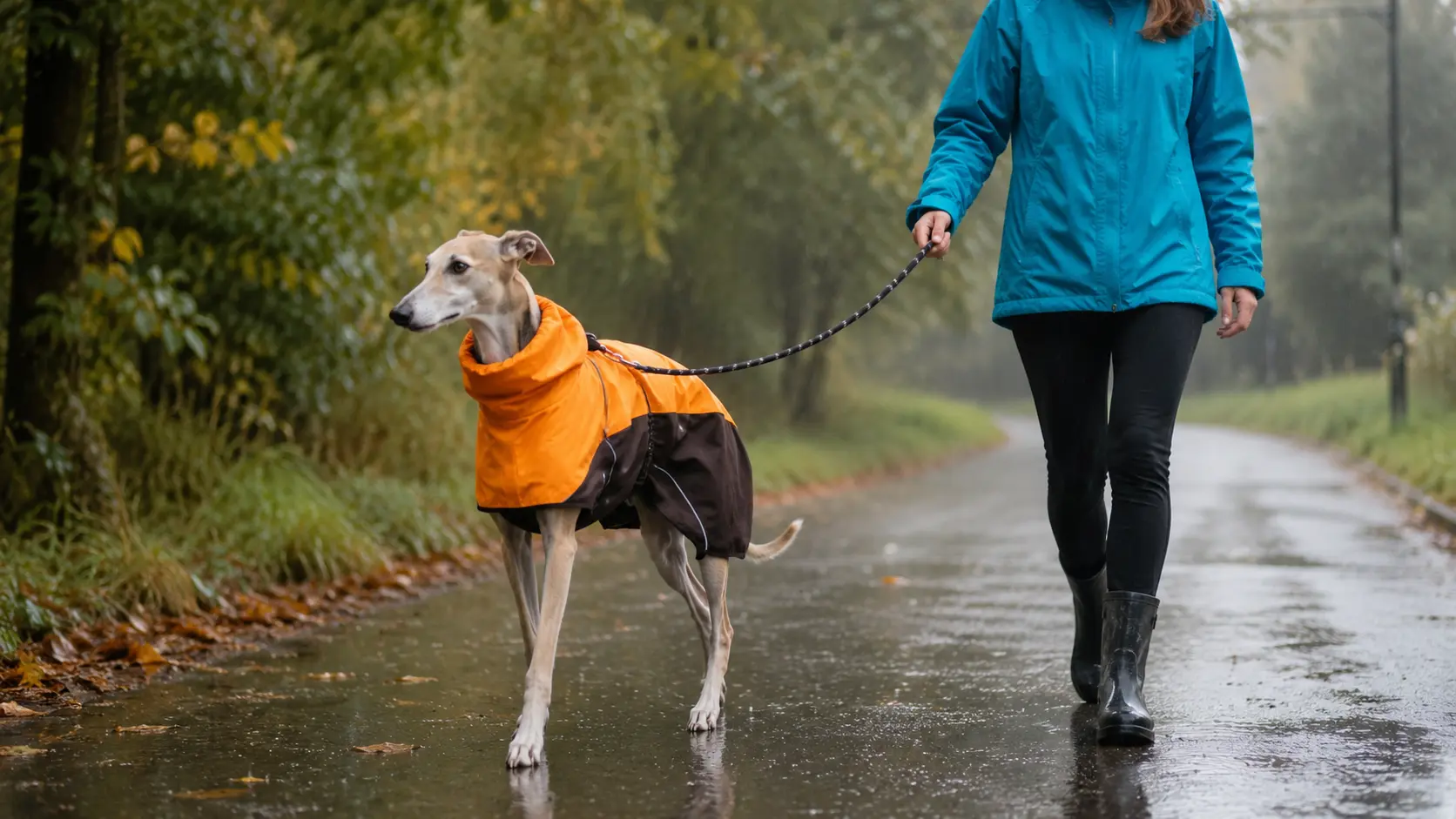
Oxford cloth, known for its distinctive basket-weave pattern, is a popular choice for dog raincoats due to its balance of durability, water resistance, and affordability. This fabric, typically made from polyester or nylon, brings a set of practical advantages along with some limitations that are important to weigh against your dog’s specific needs and typical walking conditions.
Durability and Wear Resistance
The tightly woven, double-thread construction of Oxford cloth creates a dense fabric that resists tearing, snagging, and abrasion from rough surfaces. This makes it a strong option for dogs that love to explore off-trail areas, push through brush, or play on abrasive surfaces like concrete or gravel. The fabric’s inherent strength helps the raincoat maintain its integrity over many seasons of use, even with frequent washing and exposure to the elements.
However, the weight and stiffness of the weave can vary. Heavier denier Oxford cloth, like 600D or 900D, offers exceptional durability but may feel stiff and less flexible when new, which could restrict a dog’s natural movement until the fabric softens with wear. Lighter versions, such as 300D, provide better flexibility and a softer drape right away but may not be as resistant to sharp thorns or repeated abrasion from rugged activities.
For added protection, Oxford cloth is often treated with a polyurethane or PVC coating. This coating significantly enhances water resistance and creates a barrier against dirt and stains. The coated surface is easy to wipe clean with a damp cloth, and it helps the fabric shed mud and debris more effectively than uncoated materials. Over time, this coating can develop small cracks or become less flexible if the raincoat is repeatedly folded in the same spots or stored in extreme temperatures, which may eventually compromise its waterproof layer.
Water Resistance and Weather Performance
Standard Oxford cloth without a waterproof coating offers only basic water repellency, causing light rain to bead up and roll off for a short time. For reliable protection in steady rain, a PU or PVC coating is essential. This coating forms a continuous, impermeable layer that blocks water from soaking through to your dog’s fur. The level of protection depends on the coating’s thickness and application quality; a well-applied coating can keep a dog dry through a moderate downpour.
Breathability is a common limitation. The dense weave and waterproof coatings that make Oxford cloth effective at blocking rain also limit airflow. This can lead to heat and moisture buildup inside the raincoat, especially during active walks or in humid weather. Dogs may become uncomfortably warm or damp from their own body heat, which can make them reluctant to wear the coat. Some manufacturers address this by adding mesh ventilation panels under the belly or along the sides, but this is not a universal feature.
In cold or windy conditions, the fabric’s density provides good wind resistance, adding a layer of warmth. The same property, however, means the material does not dry as quickly as lighter, more porous fabrics once it gets wet. If the coating is compromised or the raincoat becomes saturated at the seams, it can retain moisture and take longer to air out completely, which is something to consider if you walk your dog multiple times a day.
Practical Considerations for Everyday Use
The weight and packability of an Oxford cloth raincoat depend on its denier and coating. Heavier options provide robust protection but add more bulk, which can be noticeable for smaller dogs or on longer walks. They also fold into a larger, stiffer bundle, making them less convenient to stash in a pocket or small bag. Lighter Oxford cloth versions offer a better compromise for everyday neighborhood walks, providing adequate durability without excessive weight.
Maintenance is generally straightforward. Most Oxford cloth raincoats can be spot-cleaned with a damp cloth or hand-washed with mild soap. Machine washing is often not recommended, as it can break down the waterproof coating and cause premature stiffening or cracking. After cleaning, air drying is preferred over using a clothes dryer, as high heat can damage the fabric’s coating and reduce its water-resistant properties.
From a comfort perspective, the fabric’s texture and noise level can affect a dog’s acceptance. Coated Oxford cloth can produce a characteristic rustling sound when the dog moves, which might startle or annoy some sensitive pets. The material may also feel stiff or crinkly against their skin initially. A soft inner lining can mitigate this, adding comfort and helping to manage any condensation that forms inside the coat during wear. The cut of the raincoat is also important; a design that allows for a full range of motion at the shoulders and hips can help offset any inherent stiffness in the fabric itself.