

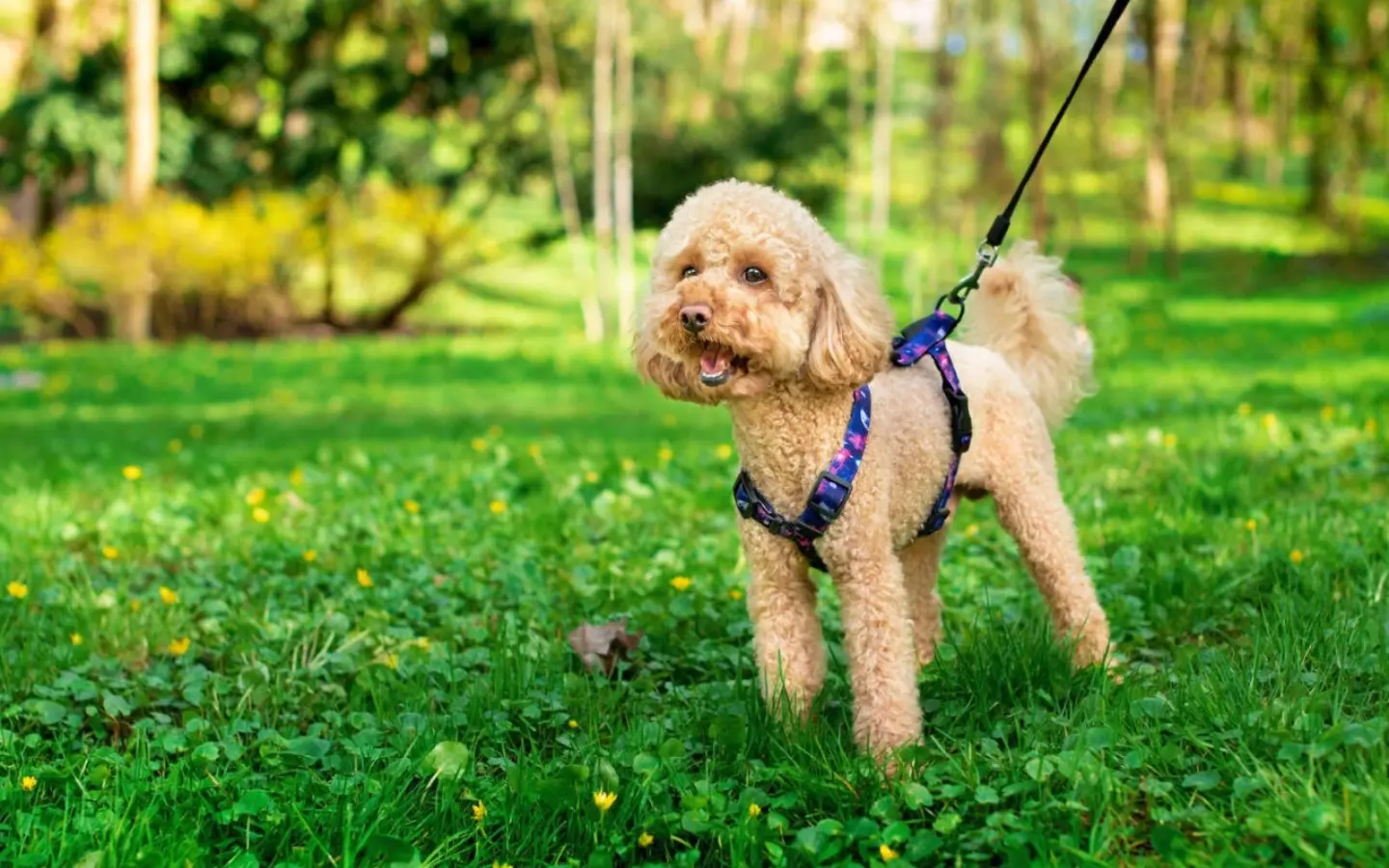
For both you and your dog, introducing a hands-free leash can be a gratifying experience. Still, knowing when to make this switch is essential for guaranteeing a safe and pleasurable learning environment. With professional advice and straightforward instructions, this guide looks at the age at which dogs are prepared to begin using a hands-free dog leash.
Understanding Puppy Leash Training Basics
Training your puppy to walk politely on a regular leash is the foundational step before considering a hands-free leash system. According to PetAssure, leash training typically begins as soon as puppies arrive home, at around 8 weeks old. Establishing basic leash manners early helps puppies learn commands like “heel,” “come,” and “stay.”
Recommended Steps:
- Initiate leash training during your puppy’s first walks at home (starting at 8 weeks).
- Focus on teaching basic commands for effective control and safety.
- Gradually improve your puppy’s leash-walking skills, ensuring they respond reliably and do not pull or lunge.
When Is Your Puppy Ready for a Hands-Free Leash?
The transition to a hands-free dog leash should only occur once your puppy has mastered basic leash manners. This typically happens after several weeks of consistent training, but readiness can vary based on each puppy’s temperament and progress.
Signs Your Puppy is Ready:
- Walks calmly on a standard leash.
- Exhibits reliable recall and follows basic commands consistently.
- Does not pull excessively or become easily distracted.
Expert Advice: Hands-free leashes are best suited for well-behaved puppies who respond reliably to guidance and can walk politely, as highlighted by Mighty Paw: Hands-Free Dog Leash Pros & Cons.
Integrating a Hands-Free Leash System
Gradually introducing the hands-free leash in a familiar and controlled environment will help your puppy adjust safely. Start with short walks and keep distractions minimal to aid the transition process.
Benefits of a Hands-Free Leash
- Increased Mobility: Allows for use of hand signals and multitasking.
- Reduced Strain: Lessens the pressure on your arms and shoulders while maintaining control.
- Free Hands: Facilitates managing treats, training aids, or other items; as detailed by Petsflow.
Conclusion
Transitioning to a hands-free dog leash is a rewarding next step once your puppy demonstrates consistent leash training proficiency. Always prioritize your puppy’s ability to walk safely by your side and respond to your cues. Begin this integration in a comfortable environment and enjoy the enhanced mobility and bonding opportunities it offers.
For comprehensive insights on puppy behavior and leash training, check out our related pages and start your journey towards an effortless leash-walking experience today!