

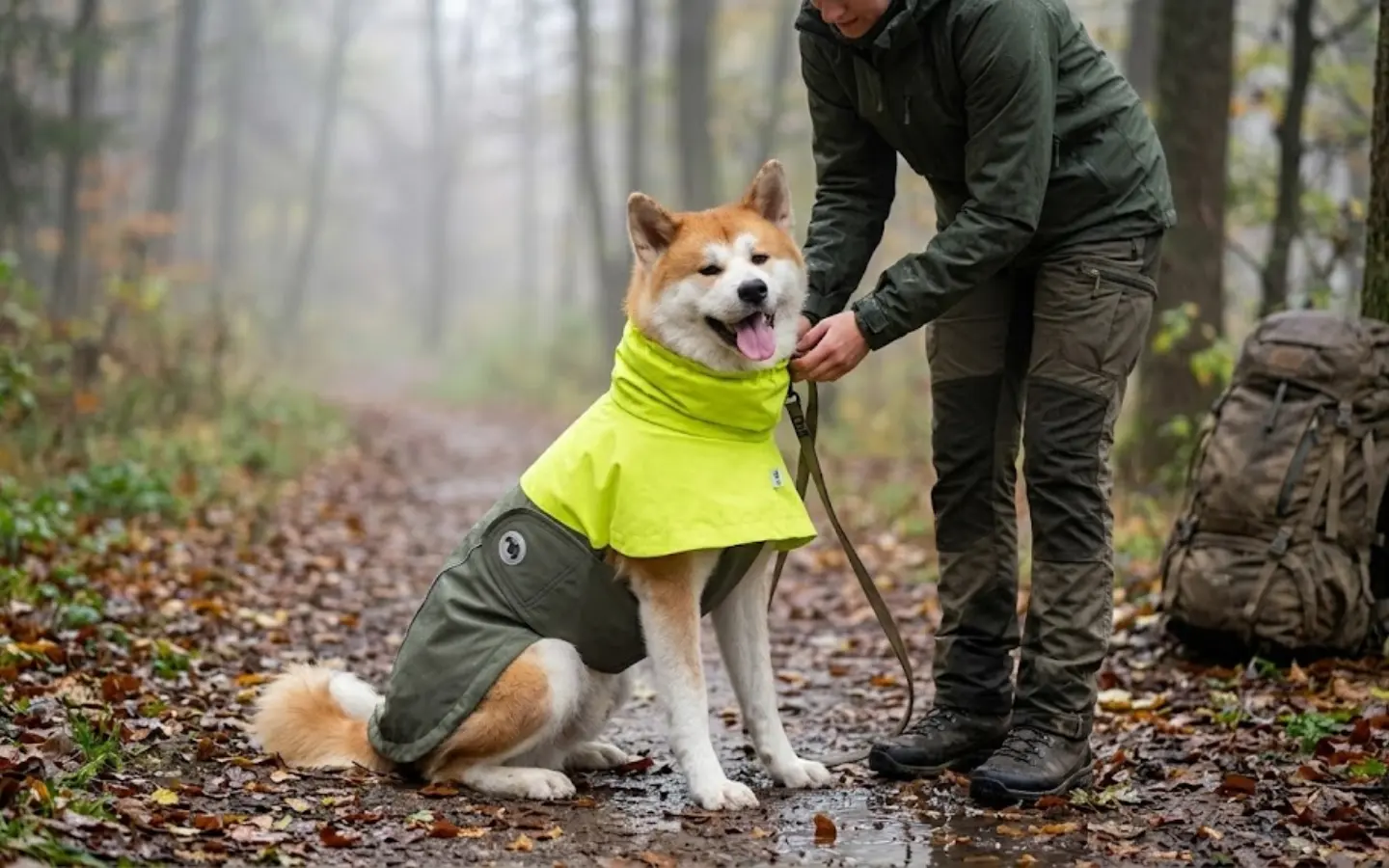
As the Editor of PETSFLOW, I often encounter pet parents who wonder if dog raincoats are a functional necessity or merely a fashion statement. While some dogs are naturally equipped to handle a drizzle, many others rely on us to provide that extra layer of protection. Understanding when should dogs wear a dog raincoat is essential for maintaining their health, comfort, and hygiene during inclement weather.
In this guide, I will share professional insights based on veterinary recommendations and canine physiology to help you decide when your furry friend needs a waterproof layer.
Why Weather Conditions Dictate the Need for Gear
The most obvious answer to “when should dogs wear a dog raincoat?” is during active precipitation. However, rain is not the only factor to consider.
- Heavy Rain and Inclement Weather
According to the American Kennel Club (AKC), raincoats are essential in light to heavy rain to prevent a dog’s coat from becoming completely soaked. When a dog’s fur gets wet, it loses its insulating properties, which can lead to chills, mud accumulation, and more serious health issues like respiratory problems or pneumonia.
- Cool and Windy Conditions
Temperature plays a critical role. For many dogs, especially those without a dense undercoat, temperatures between 5-7°C (41-45°F) are the threshold where a raincoat becomes necessary. Windy weather can also strip away a dog’s body heat. Brands like Hurtta emphasize that raincoats act as a wind barrier, protecting even thick-furred breeds until the deep winter sets in.
Analyzing Breed and Coat Types
Not all coats are created equal. Whether your dog needs a raincoat often depends on their genetic makeup and the type of fur they possess.
| Dog Type | Why They Need a Raincoat | Breed Examples |
| Short/Single-Coated | Lack of undercoat leads to rapid heat loss and shivering. | Sighthounds, Miniature Pinschers, Greyhounds |
| Long/Soft Fur | Fur absorbs water like a sponge; dries slowly and tends to mat. | German Spitz, Bernese Mountain Dog, Cocker Spaniels |
| Short-Legged Breeds | Their bellies are closer to the wet ground and puddles. | Dachshunds, Corgis, Basset Hounds |
| Double-Coated | Protects the guard hairs to ensure the undercoat stays dry for faster post-walk grooming. | Siberian Huskies, Springer Spaniels |
While double-coated breeds like Huskies are built for the cold, a raincoat can still be beneficial. As noted by K9 Apparel, keeping the outer layer dry helps the dog dry off significantly faster once indoors, preventing that “wet dog smell” and potential skin infections like dermatitis.
Health and Stages of Life Considerations
Beyond breed and climate, a dog’s physical condition is the main criterion in deciding when should dogs wear a dog raincoat.
• While elderly dogs sometimes experience joint discomfort or impaired immunity, young puppies have not yet fully developed their ability to regulate their temperatures. Their core temperature is kept consistent thanks to a waterproof layer.
• Pregnant or Sickly Dogs: Preventing the stress of a cold, wet walk is imperative for dogs that are pregnant or recovering from sickness since it helps them to heal and create immunity.
• Dogs prone to skin infections or allergies gain from raincoats since they serve as a barrier against environmental pollutants, road salt, and excessive humidity that encourages bacterial development.
Practical Benefits for the Modern Pet Owner
From my perspective at PETSFLOW, we also look at the practical side of pet ownership. A high-quality raincoat isn’t just for the dog; it’s for the home environment too.
- Hygiene and Cleanliness: A raincoat significantly reduces the amount of mud and dirt a dog brings into your house or car.
- Visibility: Many modern raincoats, such as those from Ruffwear or Petsflow, feature reflective strips which are crucial for safety during dark, gloomy rainy days.
- Travel and Hikes: If you are an active owner who takes your dog on exhibitions or long hikes, a raincoat is a year-round necessity to ensure the dog remains comfortable and ready for activity regardless of the forecast.
Choosing the Right Raincoat: Lined vs. Unlined
When selecting gear, consider the season.
- Unlined Raincoats: These are ideal for warmer, rainy days or for layering over a fleece during late autumn.
- Lined/Insulated Raincoats: These provide the added benefit of warmth and are recommended for cold-sensitive breeds during the transition into winter.
To ensure your dog accepts the gear, I recommend introducing the raincoat gradually indoors with plenty of positive reinforcement and treats.
Conclusion
So, when should dogs wear a dog raincoat? The answer is clear: whenever the combination of wet weather, wind, or cold temperatures threatens your dog’s ability to stay dry and warm. Whether you have a delicate Miniature Pinscher or a sturdy Siberian Husky, a well-fitted raincoat serves as a vital tool for health preservation and hygiene.
By investing in the right gear, you aren’t just making a fashion choice—you are ensuring that your companion stays healthy, active, and comfortable in every season.