

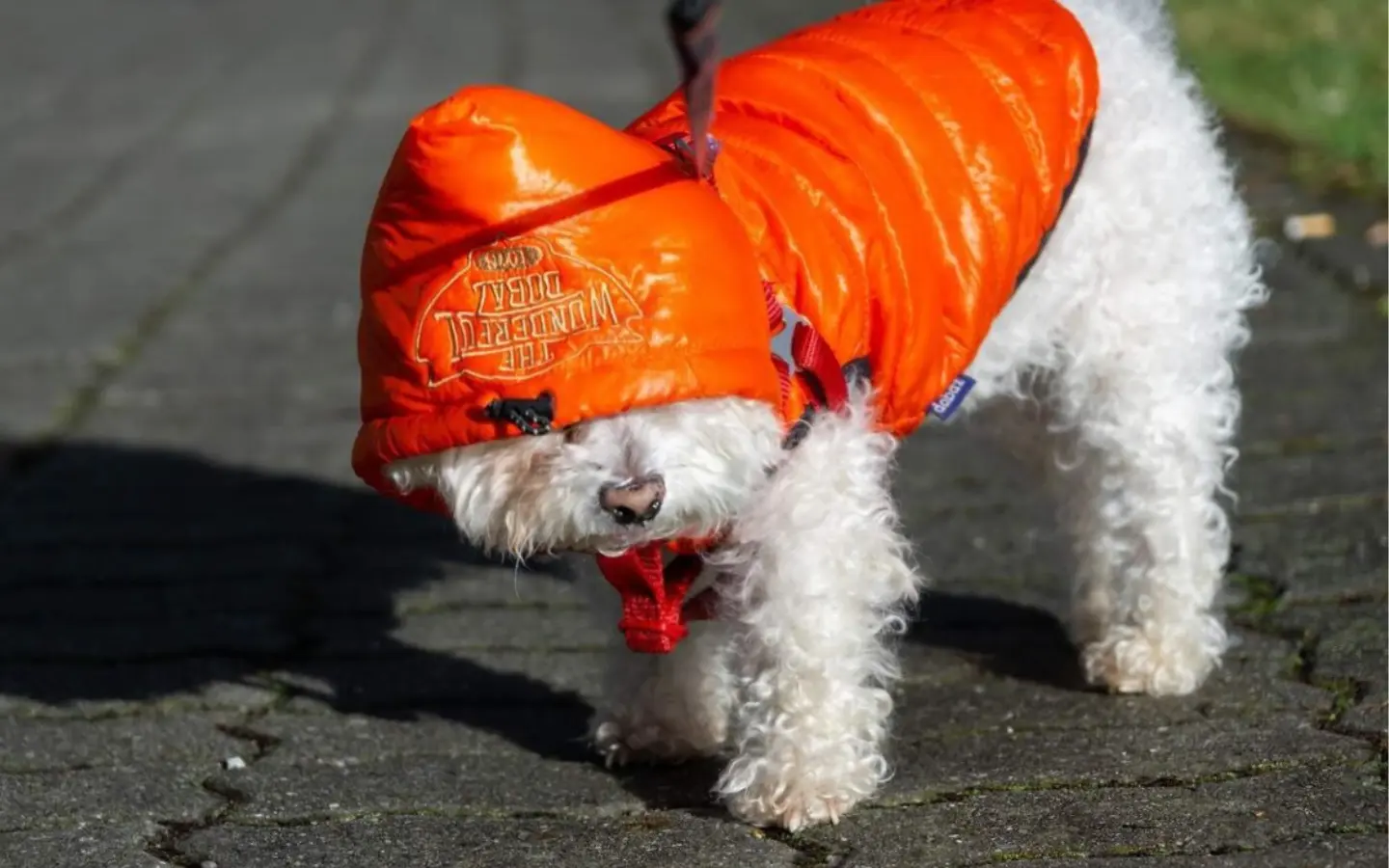
How a Dog’s Body Shape—Round or Lean—Affects Raincoat Size Selection
A dog’s physical build, whether naturally stocky or slender, plays a crucial role in determining the ideal raincoat fit. Round-bodied breeds and lean, elongated dogs face distinct challenges when it comes to staying dry and comfortable in wet weather. Understanding these differences ensures owners choose rainwear that accommodates their pet’s unique proportions without compromising mobility or protection.
1. Round-Bodied Dogs: Avoiding Constriction Around the Chest and Belly
Breeds like Bulldogs, Corgis, or Basset Hounds often have broad chests, deep ribcages, and shorter legs, creating a barrel-like silhouette. A raincoat designed for average-shaped dogs may pinch around the armpits or ride up the back, exposing the underbelly to mud and rain. Additionally, tight closures across the chest could restrict breathing or cause discomfort during movement.
For these dogs, prioritize raincoats with adjustable chest straps and a wide, contoured belly panel that drapes over the sides without squeezing. Look for designs with a slightly shorter back length to prevent the fabric from dragging on the ground, which could trip shorter-legged pets. Ensure the leg openings are roomy enough to accommodate thick thighs without rubbing or chafing.
2. Lean, Elongated Dogs: Ensuring Full Coverage Without Excess Fabric
Sighthounds like Greyhounds, Whippets, or Salukis have long, narrow torsos and deep chests, requiring a different approach to sizing. A raincoat that’s too short may leave their lower back or hips exposed, while one that’s too loose could flap in the wind or slip off during high-speed runs. These breeds also have minimal body fat, making them more sensitive to pressure from tight closures.
Opt for rainwear with a tailored fit that follows the natural curves of an elongated body. Choose coats with a high-cut belly to avoid covering the genitals, which can be uncomfortable for male dogs, and ensure the hem extends just past the tail base. Lightweight, flexible materials with minimal seams reduce irritation, and adjustable straps at the neck and waist help fine-tune the fit without adding bulk.
3. Mixed-Proportion Dogs: Balancing Length and Width for Uneven Builds
Some dogs combine features of both round and lean builds, such as Dachshunds (long bodies with deep chests) or Pugs (compact frames with short muzzles). These pets need raincoats that address multiple sizing challenges simultaneously. For example, a Dachshund may require extra length to cover the back but a wider chest panel to accommodate its barrel shape, while a Pug might need a loose neckline to avoid pressure on its pushed-in face.
Look for modular designs with adjustable components, such as detachable hoods or expandable chest flaps, to customize the fit. Ensure the raincoat’s fabric has enough stretch to conform to uneven proportions without sagging or stretching out of shape. Test the fit by observing how the dog moves indoors—the coat should stay in place without shifting or restricting natural motion.
Key Adjustments for All Body Types
Regardless of build, always measure the dog’s neck, chest, and back length before selecting a raincoat. For round-bodied dogs, add a few extra inches to the chest measurement to account for fullness. Lean dogs may need a narrower chest strap to prevent the coat from sliding sideways. Mixed-proportion pets benefit from trying on multiple sizes to identify the best balance of coverage and comfort.
By tailoring the raincoat’s design to the dog’s specific body shape, owners can ensure their pet stays dry, protected, and at ease during walks in rainy weather. Proper sizing eliminates common issues like chafing, exposure, or restricted movement, making outdoor time enjoyable for dogs of all builds.