

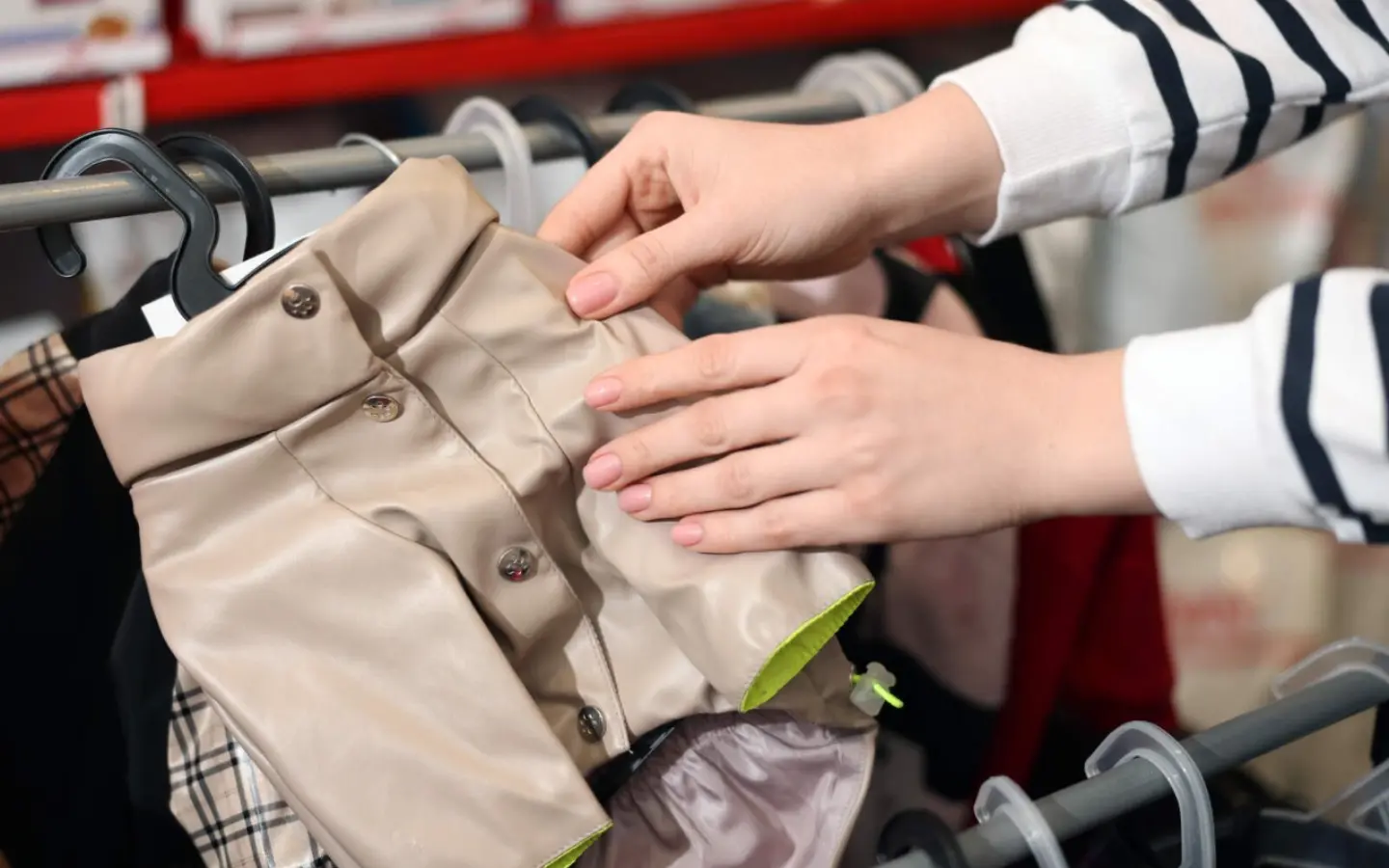
When using a dog raincoat, the following points should be noted:
First, size and fit
Choose the right size: Select the appropriate raincoat size based on your dog’s body shape, chest circumference, neck circumference and back length. The raincoat should fit tightly to the dog’s body but not be too tight. It should not be too large to allow rainwater to seep in, nor too small to restrict the dog’s movement.
Pay attention to the cutting of the raincoat: The cutting of the dog’s raincoat should be professional and reasonable to ensure that the dog can move freely in all four limbs after wearing it and its actions will not be affected by the improper design of the raincoat.
Second, material and breathability
Choose waterproof and breathable materials: The raincoat should have good waterproof performance while maintaining a certain degree of breathability to ensure that the dog does not feel uncomfortable due to the stuffiness when wearing it.
Consider the durability of the material: Choose materials that are wear-resistant and tear-resistant to deal with various situations that dogs may encounter during outdoor activities.
Third, design and convenience
Easy to put on and take off: The design of raincoats should be convenient for quick putting on and taking off, especially the openings on the head and limbs, which should be easy to adjust and not easy to slip off.
Consider reflective strips: At night or in poor visibility, choosing a raincoat with reflective strips can increase your dog’s visibility and ensure safety.
The design of the raincoat should be reasonable, not affecting the dog’s urination and defecation, and keeping it clean and dry.
Fourth, precautions during use
Avoid prolonged exposure to the rain: Although raincoats are waterproof, prolonged exposure to the rain may still cause water to seep in. Therefore, when going out on rainy days, one should try to choose dry or less waterlogged areas for walking to reduce the time the dog spends in the rain.
Pay attention to your dog’s behavior and emotions: Wearing a raincoat may make your dog feel uncomfortable or resistant. When going out in the rain, pay attention to your dog’s behavior and mood. If it shows obvious discomfort or resistance, end the walk as soon as possible and comfort it.
Timely care after returning home: After going out in the rain, a dog’s fur and skin may be prone to bacterial growth due to moisture. Therefore, after returning home, you should immediately dry your dog’s body with a dry towel or hair dryer, especially the soles of its feet and abdomen, to prevent colds or skin diseases.
Fifth, other precautions
Avoid contact with sharp objects: When wearing a raincoat, keep the dog away from sharp objects to prevent the raincoat from being scratched or torn.
Regular cleaning and maintenance: After use, raincoats should be cleaned promptly to remove surface stains and odors. At the same time, regular maintenance, such as using waterproof spray or care agents, can enhance the waterproof performance and durability of the raincoat.
By following the above precautions, you can ensure that your dog is both comfortable and safe when going out in the rain wearing a raincoat.