

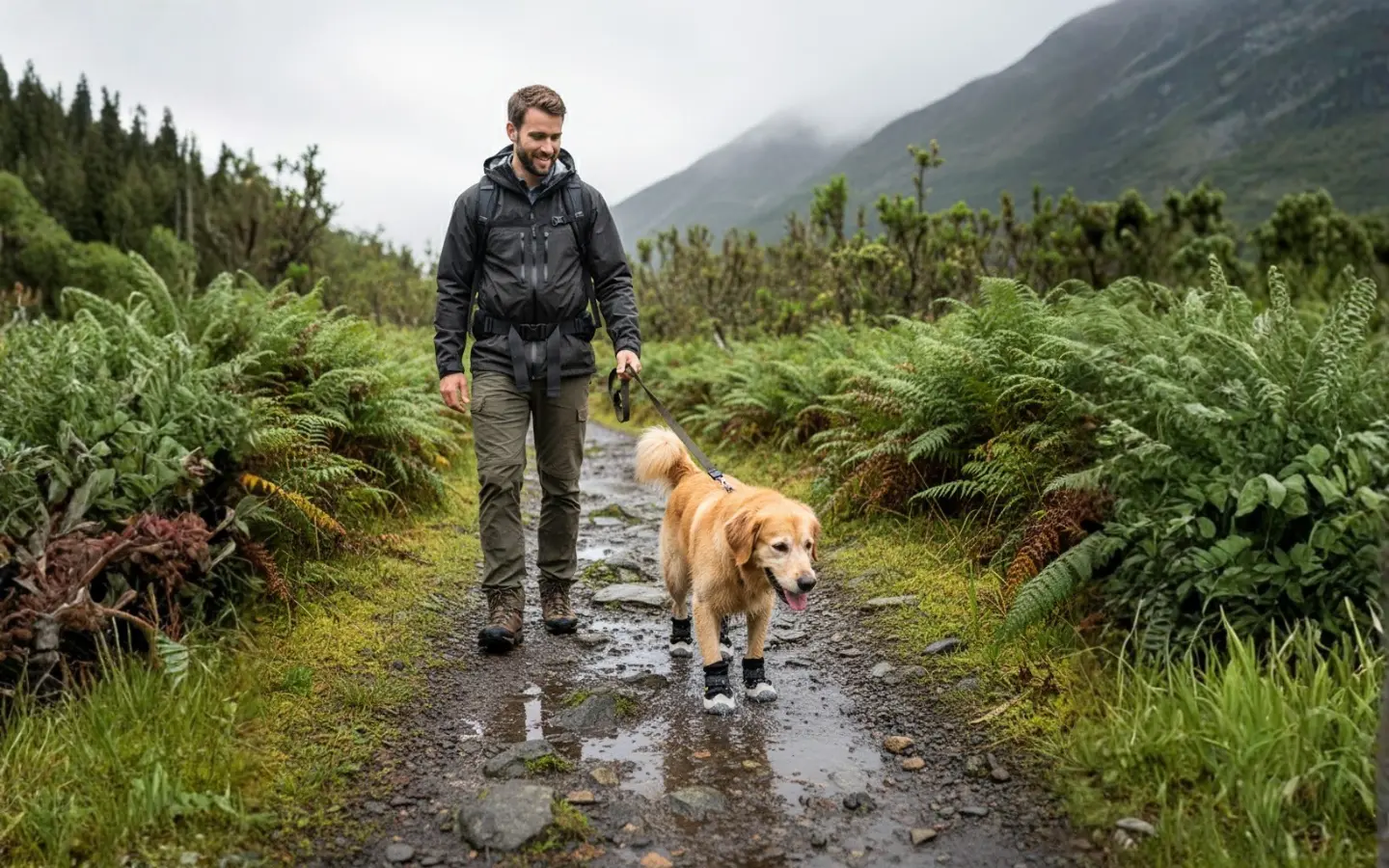
Navigating Outdoor Adventures: How to Dress Your Dog in a Raincoat and Manage Movement Restrictions
Rainy weather doesn’t have to put a damper on your dog’s outdoor fun, but wearing a raincoat requires careful consideration to ensure comfort and safety. A well-fitted raincoat protects your pup from wet fur and chills, but improper use can limit their mobility or cause discomfort. Here’s how to balance protection with freedom of movement during walks, playtime, or hikes in the rain.
Properly Fitting a Dog Raincoat for Outdoor Use
Selecting the Right Size Based on Body Measurements
A raincoat that’s too tight restricts movement, while one that’s too loose lets water seep in. Measure your dog’s neck, chest, and back length to find a size that fits snugly without constricting. The coat should cover their torso from neck to tail base, with enough room to lift their legs without rubbing. For breeds with thick fur, choose a slightly larger size to accommodate their coat without sacrificing fit.
Adjusting Straps and Fastenings for Secure Placement
Most raincoats feature adjustable straps around the neck, chest, and belly. Tighten these enough to keep the coat in place during activity but loose enough to avoid digging into your dog’s skin. Check that the straps don’t interfere with their ability to walk, run, or sit. If the coat has a hood, ensure it stays upright without covering their eyes or ears, which could disrupt their balance or hearing.
Ensuring Full Range of Motion for Legs and Tail
Your dog’s legs and tail need freedom to move naturally. Look for a raincoat with leg openings wide enough to avoid chafing or binding. The tail hole should align with your dog’s tail length—too small and it may tug; too large and water can splash inside. Test the coat by having your dog walk, trot, and sit to confirm there’s no restriction. If they hesitate or lift their legs awkwardly, readjust the fit or try a different style.
Managing Movement Limitations During Outdoor Activities
Monitoring Walking and Running on Slippery Surfaces
Raincoats add a layer of material that can alter your dog’s gait, especially on wet or uneven terrain. Pavement, grass, or trails may become slick when wet, increasing the risk of slips or falls. Shorten your leash and encourage slower, deliberate steps to help your dog adjust. Avoid steep hills or rocky paths until they’re comfortable moving in the coat. If your dog seems unsteady, pause and let them regain their balance before continuing.
Addressing Restrictions During Play or Fetch Sessions
Active games like fetch or tug-of-war require full body movement, which a raincoat might hinder. Watch for signs of frustration, such as dropping the toy mid-game or refusing to chase. If the coat’s sleeves or hood get in the way, consider a sleeveless design or a lighter material for playtime. Alternatively, limit high-energy activities to short bursts and switch to quieter games like sniffing or hiding treats to reduce strain.
Assisting Dogs with Pre-Existing Mobility Issues
Senior dogs or those with arthritis, hip dysplasia, or other conditions may struggle more with raincoat restrictions. Choose a coat with minimal straps and a lightweight fabric to reduce bulk. Avoid coats that cover the legs entirely, as these can make it harder to lift paws. Instead, opt for a poncho-style raincoat that drapes over the back without impeding leg movement. Always supervise closely and offer support, such as a helping hand under their belly, when navigating steps or uneven ground.
Adapting to Environmental Factors When Wearing a Raincoat
Adjusting for High Winds or Heavy Rainfall
Strong winds can catch loose fabric, pulling the raincoat out of place or creating drag that makes walking difficult. Ensure all straps are securely fastened and consider a coat with a snug-fitting hood or collar to reduce wind resistance. In heavy rain, check that the coat’s seams are waterproof and that no water is seeping through zippers or openings. If your dog’s fur still gets wet, layer a waterproof blanket or towel underneath for extra protection.
Managing Temperature Regulation in Mixed Weather
Raincoats trap body heat, which can be beneficial in cold, wet conditions but risky in mild or warm rain. Monitor your dog for signs of overheating, such as panting, drooling, or lethargy. If the temperature is above 50°F (10°C), choose a breathable, lightweight raincoat or remove it during breaks to let your dog cool down. Avoid coats with thick lining unless the weather is very cold, as these can cause discomfort or heat stress.
Ensuring Visibility and Safety in Low-Light Conditions
Rainy days often mean reduced visibility, making it harder for drivers or cyclists to spot your dog. Opt for a raincoat in bright colors like yellow, orange, or neon green, or one with reflective strips or patches. Attach a lightweight, waterproof LED collar or tag to increase visibility during walks near roads. If your dog is prone to wandering, keep them on a short leash and avoid busy areas until the rain subsides.
By fitting the raincoat properly and adapting your approach to different activities and environments, you can keep your dog dry and comfortable without limiting their natural movement. Regular checks and adjustments ensure they stay safe, happy, and ready for their next rainy-day adventure.