

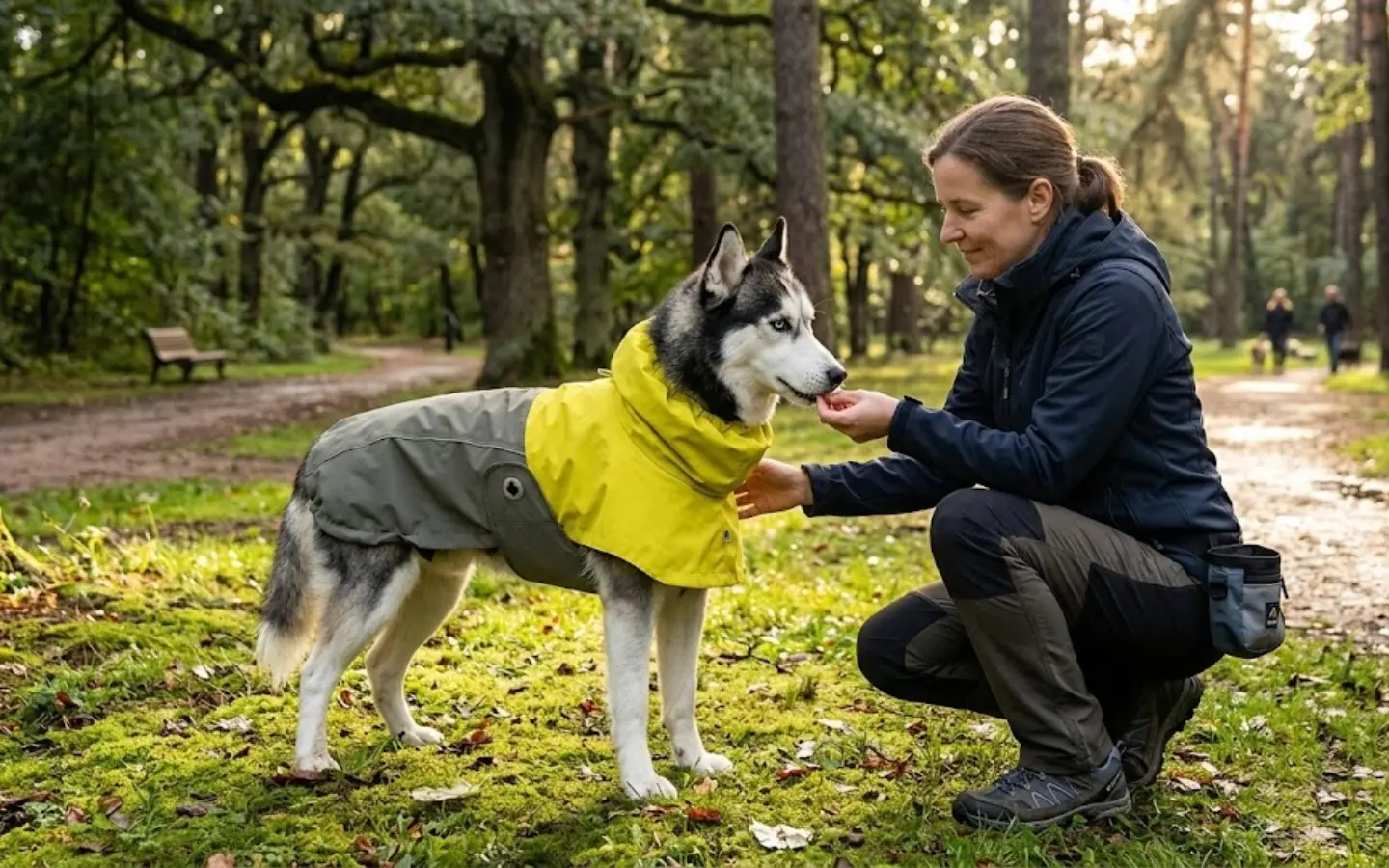
Waterproofing and Cleaning for Outdoor Dog GPS Trackers: A Practical Guide
For pet owners who frequently take their dogs on outdoor adventures, a GPS tracker is an essential tool to ensure safety and prevent loss. However, these devices are often exposed to water, mud, and other environmental challenges. Understanding how to properly maintain their waterproofing and cleanliness is crucial for long-term functionality. Below, we explore key considerations for protecting and caring for outdoor dog GPS trackers.
Understanding Waterproof Ratings and Their Importance
What Do Waterproof Ratings Mean?
Most GPS trackers designed for pets come with an IP (Ingress Protection) rating, which indicates their resistance to water and dust. For example, an IP67-rated device can withstand immersion in up to 1 meter of water for 30 minutes, while an IP68-rated tracker can handle deeper submersion for longer periods. These ratings are critical for outdoor use, where dogs may swim, play in rain, or splash through puddles.
Why Waterproofing Matters
Without proper waterproofing, moisture can seep into the device’s internal components, causing short circuits, corrosion, or permanent damage. This not only renders the tracker useless but also leaves your pet vulnerable to getting lost. Even brief exposure to water—such as during a bath or a walk in the rain—can compromise a poorly sealed device.
Maintaining Waterproof Integrity
To preserve the waterproofing of your dog’s GPS tracker:
- Avoid exposing it to extreme pressure: While IP67/IP68 devices can handle submersion, avoid pressing the device against hard surfaces underwater, as this may force water through seals.
- Check for physical damage: Scratches, cracks, or worn-out seals can reduce water resistance. Regularly inspect the device for signs of wear.
- Follow manufacturer guidelines: Some trackers require specific care, such as avoiding certain cleaning agents or ensuring ports are fully closed after charging.
Cleaning Your Dog’s GPS Tracker: Best Practices
Removing Surface Dirt and Mud
Outdoor activities often leave GPS trackers covered in mud, sand, or debris. To clean them effectively:
- Use a soft brush or cloth: Gently wipe away loose dirt to prevent scratching the device’s surface.
- Rinse with fresh water: If the tracker is IP67/IP68-rated, you can rinse it under a gentle stream of water to remove stubborn mud. Avoid high-pressure hoses, as they may force water into seals.
- Dry thoroughly: Pat the device dry with a clean towel, and let it air-dry completely before reattaching it to your dog’s collar.
Dealing with Saltwater Exposure
If your dog frequently swims in the ocean, saltwater can corrode metal components and degrade seals over time. After exposure:
- Rinse with fresh water: Immediately rinse the tracker to remove salt residue.
- Use a mild soap if necessary: For greasy or oily stains, a damp cloth with a drop of pet-safe dish soap can help. Avoid harsh chemicals, as they may damage the device’s casing or seals.
- Dry carefully: Ensure no moisture remains in crevices or charging ports.
Cleaning the Collar or Attachment Point
The collar or harness holding the GPS tracker can accumulate bacteria, odors, or grime, which may transfer to the device. To clean it:
- Hand-wash with pet-safe detergent: Use a mild, fragrance-free soap to avoid irritating your dog’s skin.
- Rinse and dry completely: Moisture trapped between the collar and tracker can lead to mold or mildew growth.
- Inspect for wear: Replace worn-out collars to prevent the tracker from slipping off during activities.
Long-Term Maintenance Tips
Regular Inspections
Set a monthly reminder to check your dog’s GPS tracker for signs of damage, such as:
- Cracks in the casing
- Loose or damaged seals around buttons or ports
- Fading or peeling labels (which may indicate water ingress)
Storage Considerations
When not in use, store the tracker in a cool, dry place away from direct sunlight. Avoid leaving it in humid environments, such as basements or bathrooms, as prolonged exposure to moisture can degrade seals.
Battery Care
Many GPS trackers rely on rechargeable batteries, which can be affected by extreme temperatures or moisture. To extend battery life:
- Charge the device at room temperature (avoid freezing or overheating).
- Ensure the charging port is dry before plugging in the cable.
- If the tracker won’t be used for an extended period, store it with a partial charge (around 50%) to prevent battery degradation.
Final Thoughts
A well-maintained GPS tracker is a reliable tool for keeping your outdoor-loving dog safe. By understanding its waterproof capabilities, cleaning it properly, and performing regular maintenance, you can ensure it functions optimally for years to come. Remember, prevention is key—addressing minor issues like dirt buildup or seal wear early can save you from costly repairs or replacements down the line. With these tips, you and your furry companion can enjoy worry-free adventures in any environment.