

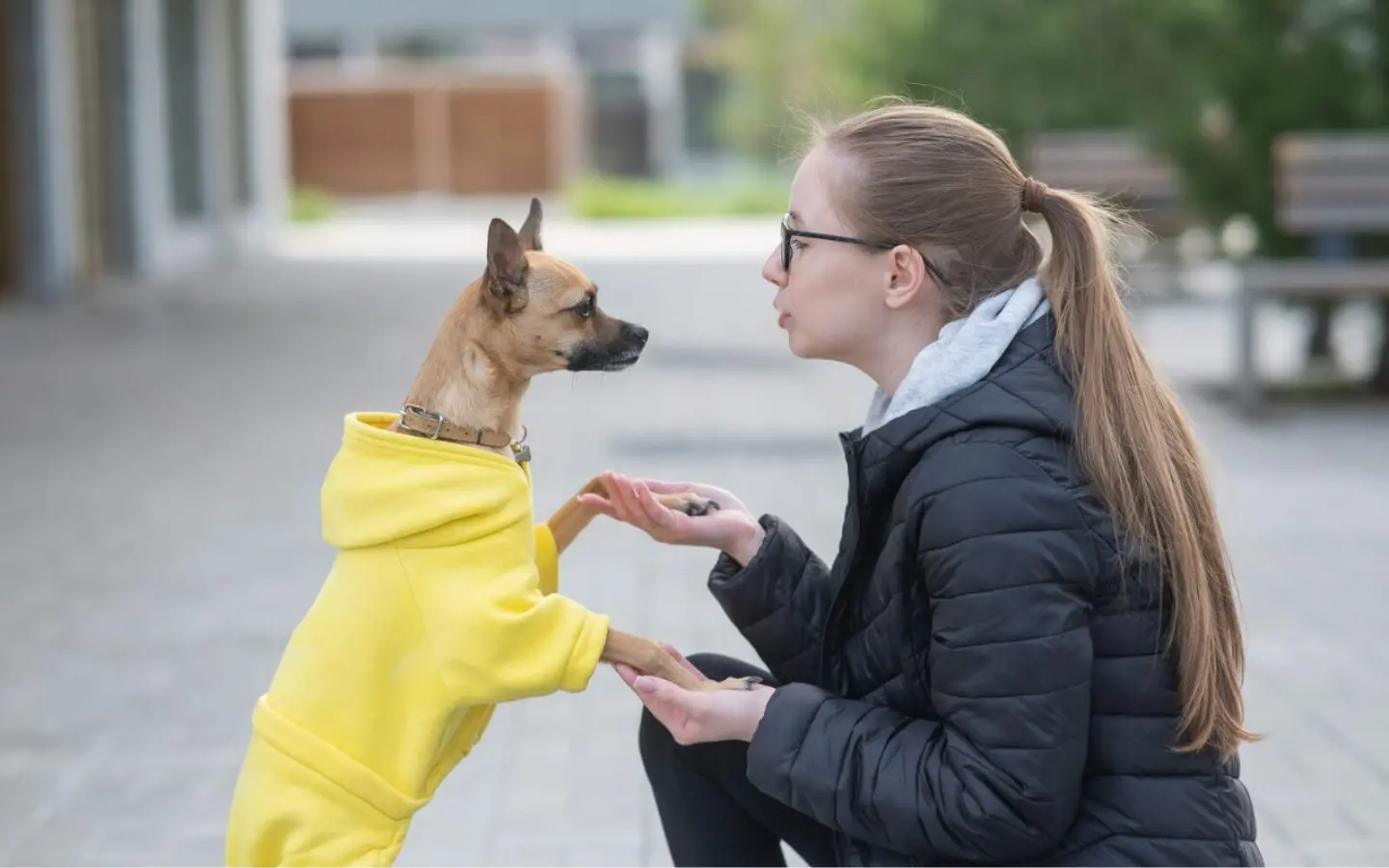
Training Techniques to Help Your Dog Cooperate During Raincoat Put-On and Take-Off
Many dogs resist wearing raincoats due to unfamiliarity, discomfort, or anxiety about the process. This can turn rainy-day preparations into a struggle, leaving both pet and owner frustrated. By using positive reinforcement, gradual exposure, and patience, owners can teach their dogs to stay calm and cooperative during raincoat sessions. Here’s how to make the process smooth and stress-free.
Building Positive Associations with the Raincoat
The first step in training cooperation is ensuring your dog views the raincoat as a positive, non-threatening item. Dogs that associate the coat with treats, play, or affection are more likely to tolerate—or even enjoy—the process.
Start by letting your dog sniff and explore the raincoat while it’s off. Place it near their food bowl, bed, or toys to create neutral or positive associations. Rub the fabric gently on their back or paws (areas they’re comfortable with) and immediately offer a treat or praise. Repeat this daily, gradually increasing the time the fabric touches their body. Next, drape the coat loosely over their back for a few seconds, then remove it and reward. If they stay calm, praise them and offer a high-value treat. Avoid forcing the coat on or rushing the process, as this can create anxiety. Over several days, the dog should become desensitized to the coat’s presence and more willing to engage with it.
Using Treats and Praise to Reward Calm Behavior
Positive reinforcement is key to encouraging cooperation. By rewarding your dog for staying still or allowing the coat to be put on, you reinforce the behavior you want.
Before each training session, gather small, soft treats (e.g., chicken, cheese, or training bits) that your dog loves. Begin by placing the coat near the dog and saying “good” or “yes” while offering a treat. Gradually progress to touching the coat to their body, rewarding them for each small step. When putting on the coat, treat continuously: give a treat for each strap fastened, each zipper pulled up, or each second they remain calm. If they start to fidget, pause and wait for them to settle before resuming. After the coat is on, offer a jackpot of treats (3–5 in a row) and enthusiastic praise. For dogs that struggle with the hood, reward them for allowing it to touch their head, even briefly. Always end the session on a positive note, even if progress is slow.
Breaking Down the Process into Manageable Steps
Putting on a raincoat involves multiple actions (e.g., lifting paws, fastening straps, adjusting the hood) that can overwhelm a dog. Breaking the process into smaller, achievable steps reduces stress and builds confidence.
Start by teaching your dog to lift their paw on command. Hold a treat slightly above their nose and say “paw” or “step.” When they lift their paw, reward them. Practice this until they respond consistently. Next, introduce the coat: lift one paw and slide it through a sleeve, then reward. Repeat with the other paw. For coats with straps or buckles, fasten one at a time, treating after each. If the dog becomes anxious, unfasten the strap, take a break, and try again later. For the hood, gently place it over their head for 1–2 seconds, then remove and reward. Gradually increase the time it stays on. If the dog tries to shake it off, distract them with a treat or toy until they settle.
Practicing in a Distraction-Free Environment
A calm, quiet space helps your dog focus on the training without external stressors. Distractions (e.g., other pets, loud noises, or toys) can derail progress and make the coat feel like a punishment.
Choose a room with minimal noise and activity, such as a bedroom or bathroom. Remove toys, food bowls, or other pets during training sessions. Begin by practicing with the coat off, rewarding your dog for sitting or standing calmly. Gradually introduce the coat, following the steps above. If the dog becomes distracted, use a verbal cue (e.g., “watch me”) and offer a treat to refocus their attention. For highly energetic dogs, tire them out with a short walk or play session before training to reduce restlessness. Once the dog masters cooperation indoors, gradually practice in more distracting environments (e.g., a quiet yard or porch), always rewarding calm behavior.
Teaching a “Stay” Command to Prevent Fidgeting
A reliable “stay” command is invaluable for keeping your dog still during raincoat adjustments. When paired with treats, it gives owners time to fasten straps or zippers without interruption.
Start by teaching “stay” in short bursts. Ask your dog to “sit” or “stand,” then hold up your palm and say “stay.” Take one step back, wait 1–2 seconds, then return and reward. Gradually increase the distance and time (e.g., 3 steps for 5 seconds). If the dog breaks the stay, calmly guide them back into position and try again with a shorter duration. Once they understand “stay,” practice it while putting on the coat. Ask them to stay, then quickly fasten a strap or adjust the hood, rewarding them immediately afterward. If they struggle, use a leash to gently hold them in place while rewarding calmness. Over time, the dog will learn that staying still leads to rewards.
Using Distractions to Keep the Dog Engaged
For dogs that fidget or try to escape the coat, distractions can redirect their focus and make the process more tolerable. Toys, treats, or gentle play can keep them occupied while you work.
Offer a long-lasting chew (e.g., a stuffed Kong or bully stick) while putting on the coat to keep their mouth busy. For dogs that prefer toys, engage them in a gentle game of tug or fetch before starting. If they start to bite the coat, say “leave it” and immediately offer the toy or treat. For high-energy dogs, practice putting on the coat during a low-stress activity, like sniffing a lick mat or exploring a puzzle toy. Avoid using distractions that are too stimulating (e.g., loud squeaky toys), as these may overexcite the dog. The goal is to keep them calm, not hyperactive.
Addressing Fear or Anxiety About the Coat
Some dogs resist the raincoat due to fear of the texture, sound, or fit. If your dog shows signs of stress (e.g., trembling, freezing, or hiding), it’s crucial to address their anxiety before proceeding.
Watch for subtle signs of fear, such as lip-licking, yawning, or turning away. If the dog seems uncomfortable, remove the coat and try again later in a calmer setting. For dogs sensitive to touch, practice gently handling their paws, neck, and back daily to build tolerance. Use a soft, lightweight coat initially to reduce noise and restriction. If the dog panics when the hood is placed over their head, practice touching their ears and neck first, then gradually introduce the hood for brief moments. For severe anxiety, consult a professional trainer or behaviorist who can use counter-conditioning techniques to help the dog overcome their fear.
Practicing Regularly to Reinforce Good Habits
Consistency is key to long-term success. Short, frequent training sessions (5–10 minutes daily) help your dog retain what they’ve learned and build confidence over time.
Set aside time each day to practice raincoat training, even if it’s just for a few minutes. Vary the routine: sometimes put on the coat fully, other times just practice one step (e.g., fastening a strap). Reward the dog for any progress, no matter how small. If the coat gets dirty or wet, clean it gently and let it dry before the next session to avoid discomfort. Gradually increase the duration the coat stays on, pairing it with walks or playtime to reinforce positive associations. Over weeks or months, the dog should become more cooperative and even look forward to wearing the coat.
Conclusion: Patience and Celebration Foster Cooperation
Training your dog to cooperate during raincoat put-on and take-off requires patience, positive reinforcement, and a focus on their comfort. By breaking the process into steps, using rewards, and addressing anxiety, owners can turn a stressful routine into a seamless one. Remember, every dog learns at their own pace—celebrate small wins and stay consistent. With time, your dog will learn to stay calm, making rainy-day adventures enjoyable for both of you.