

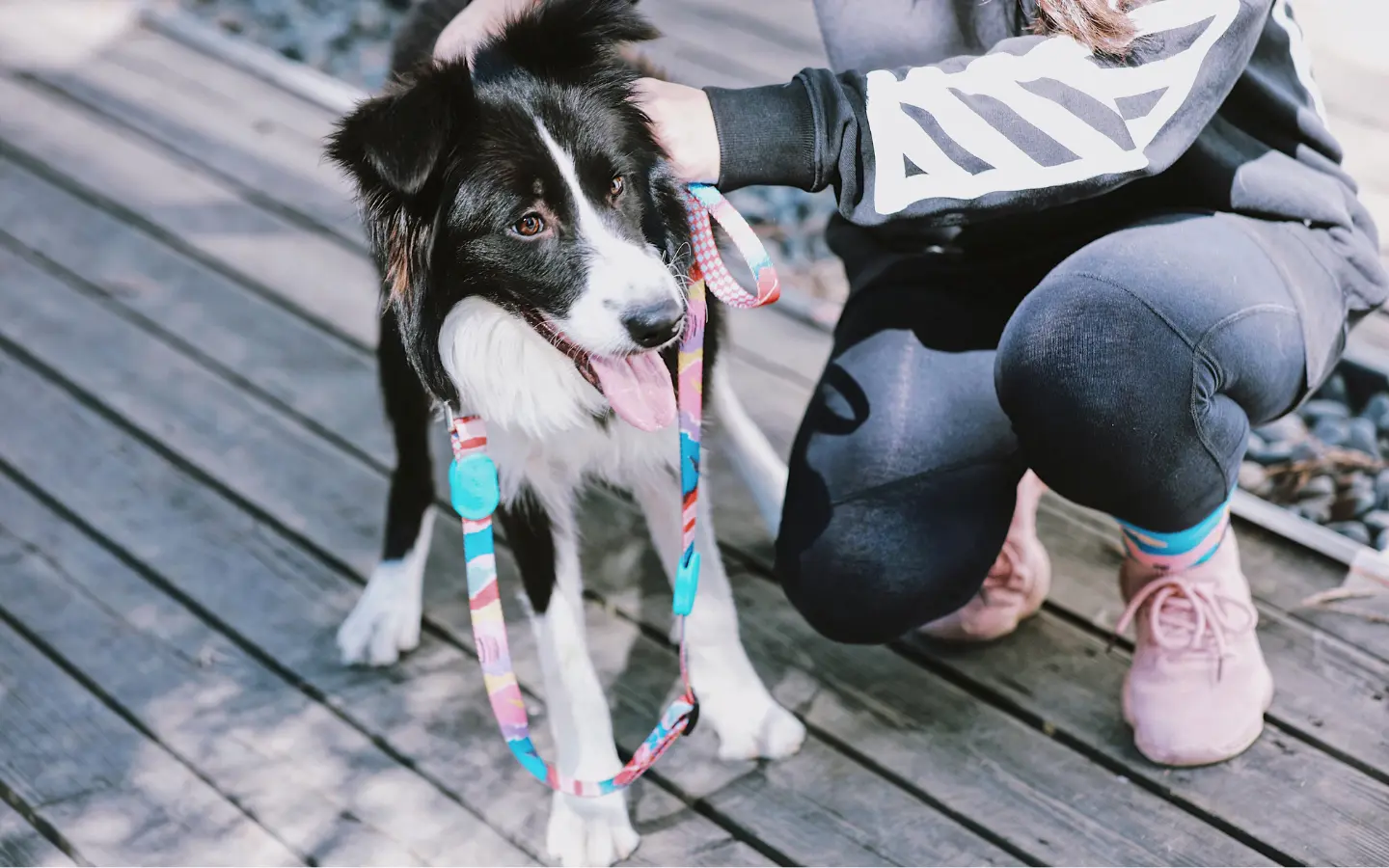
By providing greater control and ease, training your puppy with a handsfree dog leash will transform your walk itinerary. We will walk you here through expert-backed techniques and pointers on using a handsfree dog leash to train puppies, guaranteeing a pleasant and easy training process.

Why Choose a Hands-Free Dog Leash?
Using a hands-free dog leash to train puppies offers several benefits, including greater control, convenience, and effective communication. By connecting the leash to your hips, you can give clear signals, making commands like “heel” more effective. This method also leaves your hands free to use treats, clickers, and provide physical cues, enhancing the overall training experience.
Step-by-Step Guide to Hands-Free Leash Training
Start Slow
Gradually introduce your puppy to the hands-free leash. Begin by allowing them to wear the leash around the house, helping them get accustomed to its feel before attaching it to your body for outdoor adventures(source).
Minimize Distractions
Select a quiet and controlled environment like your living room or backyard for initial training sessions. Fewer distractions enable your puppy to focus and learn the basics without feeling overwhelmed.
Master Basic Commands First
Ensure your puppy responds to essential commands such as “sit,” “stay,” “come,” and “heel.” A hands-free leash allows you to incorporate both verbal and visual cues, reinforcing your communication with the puppy.
Choose the Right Leash for Your Puppy
Select a hands-free leash suitable for your puppy’s size and breed. It should offer comfort and allow free movement without being restrictive.
Positive Reinforcement
Reward correct behaviors immediately with treats, praise, or play. Quick and consistent rewards help your puppy associate walking calmly with positive outcomes. Utilize a treat pouch that attaches to your leash for easy access.
Practice Consistently
Maintain regular, brief training sessions (start with 5–10 minutes). Gradually increase the length and complexity of the sessions, introducing distractions only as your puppy becomes more adept.
Patience & Persistence
Remember that training takes time and patience. Celebrate small victories and understand that puppies learn at different paces. Avoid frustration if progress is slower than anticipated.
Expert Tips for Effective Training
- Pause if Distractions Overwhelm: Redirect your puppy’s focus if they become distracted before continuing the training.
- Use Body Language: With your hands free, utilize body language along with verbal cues, pointing or gesturing as needed.
- Short & Frequent Sessions: Short training sessions are more effective than lengthy walks. Focus on quality over quantity.
“With a regular leash, your body may stop but your hands typically continue moving forward, which gives the dog more play on the end of the line than you intend. Using a leash connected to my hips means when my body stops, the dog stops, providing a much clearer signal to the dog.” – source
You will promote a well-mannered walking buddy by progressively introducing the hands-free dog leash, stressing favorable reinforcement, mastering basic commands, and keeping regular practice. Enjoy priceless times with your puppy and welcome the trip patiently!