

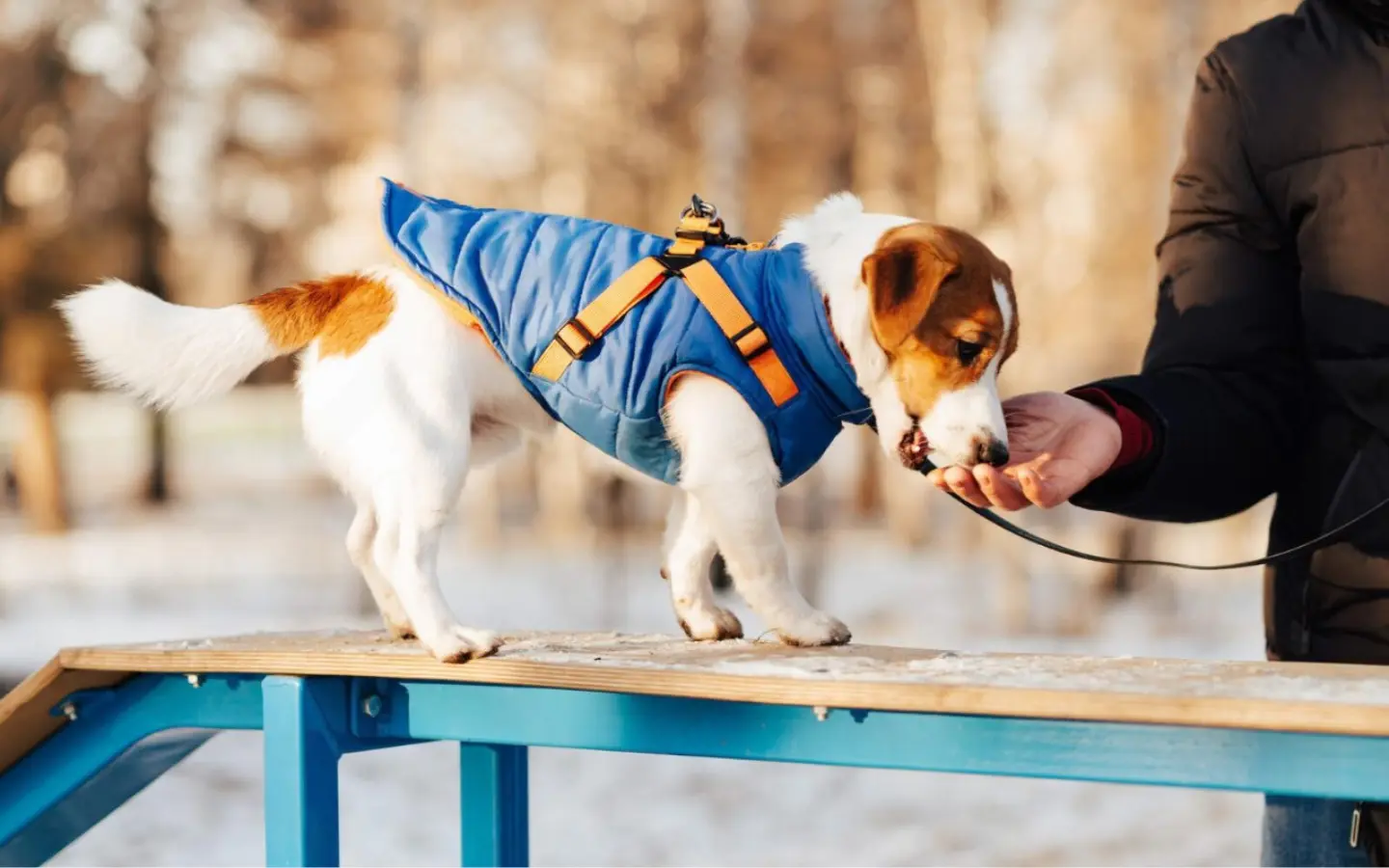
Teaching Your Dog to Stay Clean While Wearing a Raincoat: Practical Training Methods
Training your dog to maintain cleanliness during rainy weather activities requires consistency, positive reinforcement, and clear communication. A raincoat can protect your dog from wet elements, but teaching them to avoid unnecessary dirt or mud helps streamline post-walk routines and keeps their environment tidy. Here’s how to build clean habits without compromising their comfort or enthusiasm.
Establish Clear Boundaries During Raincoat Sessions
Start by defining what “clean” means in practical terms for your dog. Use simple cues and environmental adjustments to guide their behavior.
- Designate “Clean Zones”: Train your dog to wait on a specific mat or rug before and after wearing the raincoat. Reward them for staying in place while you adjust the garment.
- Use Verbal Cues: Introduce phrases like “stay clean” or “no mud” when approaching dirty areas. Pair these with gentle leash guidance to redirect their path.
- Practice Indoor Drills: Simulate rainy walks by scattering treats on clean floors and guiding your dog to avoid stepping on them with paws already “dirty” (e.g., after touching a towel).
Reinforce Positive Behavior Around Dirty Surfaces
Dogs often explore with their paws, so teaching them to hesitate before stepping into mud or puddles requires patience and rewards.
- Reward Hesitation: If your dog pauses or looks at you before walking through a puddle, immediately praise and offer a treat. This builds decision-making skills.
- Create Distractions: Use toys or high-value treats to lure your dog away from muddy patches. Over time, they’ll associate avoiding dirt with positive outcomes.
- Play “Clean Paws” Games: Place a shallow tray of water (for rinsing) near the door and practice having your dog step in and out on command. Reward them for keeping paws above muddy ground.
Incorporate Cleanliness into Daily Routines
Consistency is key to long-term success. Integrate cleanliness training into regular activities to reinforce habits naturally.
- Post-Walk Checks: After removing the raincoat, inspect your dog’s paws and belly. If they avoided dirt, celebrate with a favorite game or treat. If not, calmly clean them without scolding.
- Use Towels Strategically: Keep a designated towel near the door and encourage your dog to stand on it after walks. Offer treats for staying still while you wipe their paws.
- Limit Access to Messy Areas: Use baby gates or closed doors to block off muddy parts of the yard during training. Gradually grant access as your dog learns to navigate cleanly.
Address Setbacks with Patience and Redirection
Mistakes are part of learning. Instead of punishing your dog for getting dirty, use setbacks as opportunities to reinforce training.
- Stay Calm: If your dog rolls in mud or splashes through puddles, avoid raising your voice. Clean them gently and resume training later with a fresh approach.
- Analyze Triggers: Note when your dog is most likely to ignore cleanliness cues (e.g., after long walks or when excited). Adjust training sessions to address these scenarios.
- Revisit Basics: If your dog struggles, return to shorter, more controlled sessions indoors. Gradually rebuild their understanding of boundaries before returning outdoors.
By combining clear communication, consistent rewards, and environmental management, you can help your dog develop clean habits while wearing a raincoat. Tailor your approach to their personality and energy level, and remember that progress takes time.