

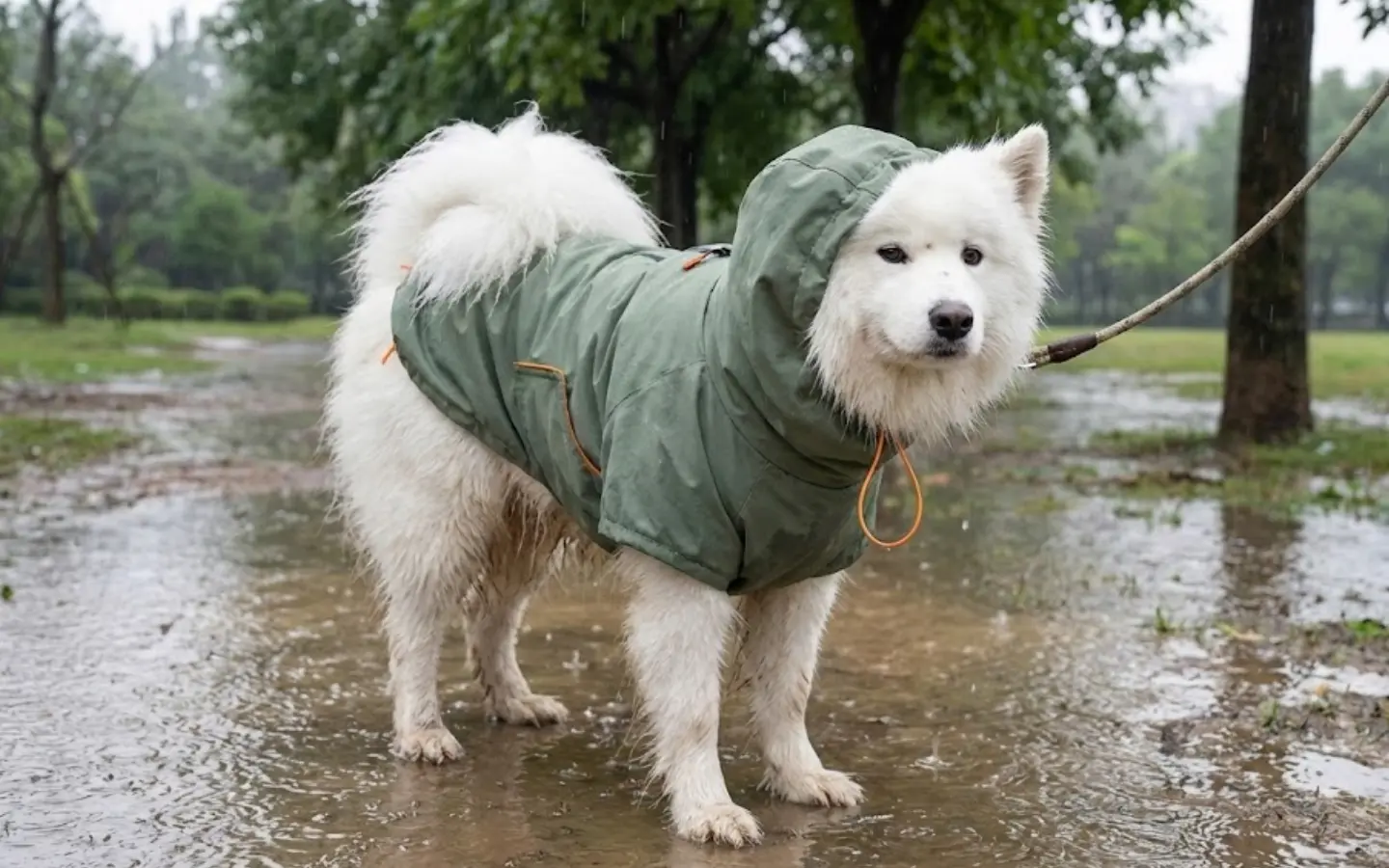
As the Editor of petsflow, I understand that every pet parent wants the best for their furry friend, especially when it comes to keeping them dry and comfortable during wet weather. A dog raincoat is a fantastic tool for this, preventing soggy fur, reducing drying time, and protecting against chills. However, simply owning a raincoat isn’t enough; knowing how to use it correctly is crucial for your dog’s comfort and safety.
In my experience, many well-intentioned owners make common mistakes when using a dog raincoat that can lead to discomfort, anxiety, or even safety hazards for their pups. That’s why I’ve compiled this essential guide to help you identify these pitfalls and, more importantly, learn how to avoid them. By understanding these dog raincoat mistakes, you can ensure your dog’s rainy-day adventures are always positive and enjoyable.
Fit and Sizing Errors: The Foundation of Comfort
One of the most frequent dog raincoat errors we see at petsflow relates to sizing and fit. A poorly fitting raincoat is not only ineffective but can also cause significant discomfort.
Mistake 1: Incorrect Fit – Too Tight or Too Loose
A raincoat that’s too tight can restrict movement, pinch skin, and cause chafing, especially around the legs and chest. Conversely, one that’s too loose will offer inadequate protection, sag, and easily come off, leaving your dog exposed to the elements. Our research, echoed by experts at Sparkpaws and K9 Apparel, emphasizes that a proper fit is paramount.
How to Avoid It: Always measure your dog accurately before purchasing a raincoat. Pay attention to chest girth, back length, and neck circumference. Look for raincoats with adjustable straps that allow for a snug, yet comfortable fit without impeding freedom of movement. Some brands also offer breed-specific sizing, which can be incredibly helpful for dogs with unique builds.(source)
Mistake 2: Inadequate Coverage – Ignoring Key Areas
Some raincoats might cover your dog’s back but leave the belly and chest exposed, leading to splashes and mud accumulation. Similarly, insufficient neck or head coverage can allow water to run down into their fur, negating the raincoat’s purpose. Hurtta highlights the importance of comprehensive coverage for effective protection.
How to Avoid It: Opt for designs that offer extended belly/chest protection to guard against mud splashes and ensure your dog stays dry underneath. A well-designed raincoat should also include a proper neck and, if suitable for your dog, head coverage that doesn’t obstruct vision. This ensures water runs off the coat, not into their fur.
Usage and Training Mistakes: Building Positive Associations
Even the best raincoat can become a source of stress if introduced incorrectly. Acclimation is key to a happy dog.
Mistake 3: Skipping Acclimation Training
Imagine suddenly being forced into an unfamiliar garment right before heading out into a stormy downpour. That’s how many dogs feel if you skip acclimation. Not gradually introducing the coat can lead to fear, resistance, panic, or the dog trying to shake it off. K9 Apparel advises against storing the coat unused until it rains.
How to Avoid It: Introduce the raincoat gradually. Start indoors, allowing your dog to sniff and explore the coat. Offer treats and praise when they interact positively with it. Slowly progress to putting it on for short periods inside, then for brief, non-rainy walks. This builds positive associations, teaching your dog that the raincoat is nothing to fear. Only when they are comfortable should you introduce it during actual rain.
Mistake 4: Choosing Hard-to-Put-On/Off Designs
Some raincoat designs, particularly those with sleeves or step-in styles, can be difficult to manage, especially when wet and muddy. This can be frustrating for both you and your dog, particularly if your dog is averse to having their feet handled. Sparkpaws notes that complex designs can be inconvenient.
How to Avoid It: Prioritize raincoats with easy-on/off designs. Styles with side-clipping buckles, wide adjustable straps, or simple velcro closures are generally quicker and less stressful to use. These designs minimize the fuss, making the process smoother and more enjoyable for everyone involved.
Material and Maintenance Issues: Ensuring Longevity and Safety
The material and how you care for the raincoat significantly impact its effectiveness, your dog’s comfort, and its lifespan.
Mistake 5: Using Unsuitable Materials
Stiff, non-breathable materials can trap heat, generate static electricity, pinch fur, and rub uncomfortably against harnesses, potentially leading to skin irritation or matting. My Anxious Dog emphasizes the importance of breathable fabrics.
How to Avoid It: Look for raincoats made from soft, lightweight, and breathable water-resistant materials. Options with a soft lining can prevent chafing and static build-up. Ensure the material is durable enough to withstand outdoor adventures but flexible enough for unrestricted movement.
Mistake 6: Improper Cleaning and Storage
Machine washing a dog raincoat, especially with harsh detergents or high heat, can damage or crack its waterproof coating, rendering it ineffective. Not wiping off mud and water before storage can also lead to mildew and odors. Sparkpaws recommends proper cleaning to maintain waterproofing.
How to Avoid It: Most dog raincoats should be hand-wiped clean with a damp cloth after each use. For tougher dirt, use a mild pet-safe detergent and rinse thoroughly. Always air dry the raincoat completely before storing it in a cool, dry place. Avoid machine washing and high heat drying to preserve the integrity of the waterproofing.
Mistake 7: Overlooking Safety Features – Vision and Visibility
A loose hood that blocks your dog’s vision can cause panic, fear, or even lead to accidents, especially if they can’t see approaching hazards. Additionally, rain often means low light, and a non-reflective raincoat can make your dog hard to spot. Deltatyres highlights vision safety as a critical concern.
How to Avoid It: Choose raincoats where the hood can be securely fastened back or is designed not to obstruct your dog’s peripheral vision. More importantly, always prioritize raincoats with reflective elements or bright, high-visibility colors. This significantly enhances dog raincoat safety, making your dog visible to drivers and cyclists in low light conditions, fog, or heavy rain.
Final Thought: Happy Puppies, Happy Walks
A great approach to shield your dog from the elements and enhance rainy strolls is equipping them with a raincoat.But for the comfort, well-being, and safety of your dog, it is crucial to avoid these often seen errors when using a dog raincoat.Correct maintenance, suitable materials, phased introduction, proper fit, and vital safety elements will help you to guarantee that every wet day trip will be tail-wagging success.
In petsflow, we think educated pet parenting results in happier, healthier pets.Make sure your dog’s raincoat is selected and used appropriately so that you will both be prepared to confidently leap over puddles!