

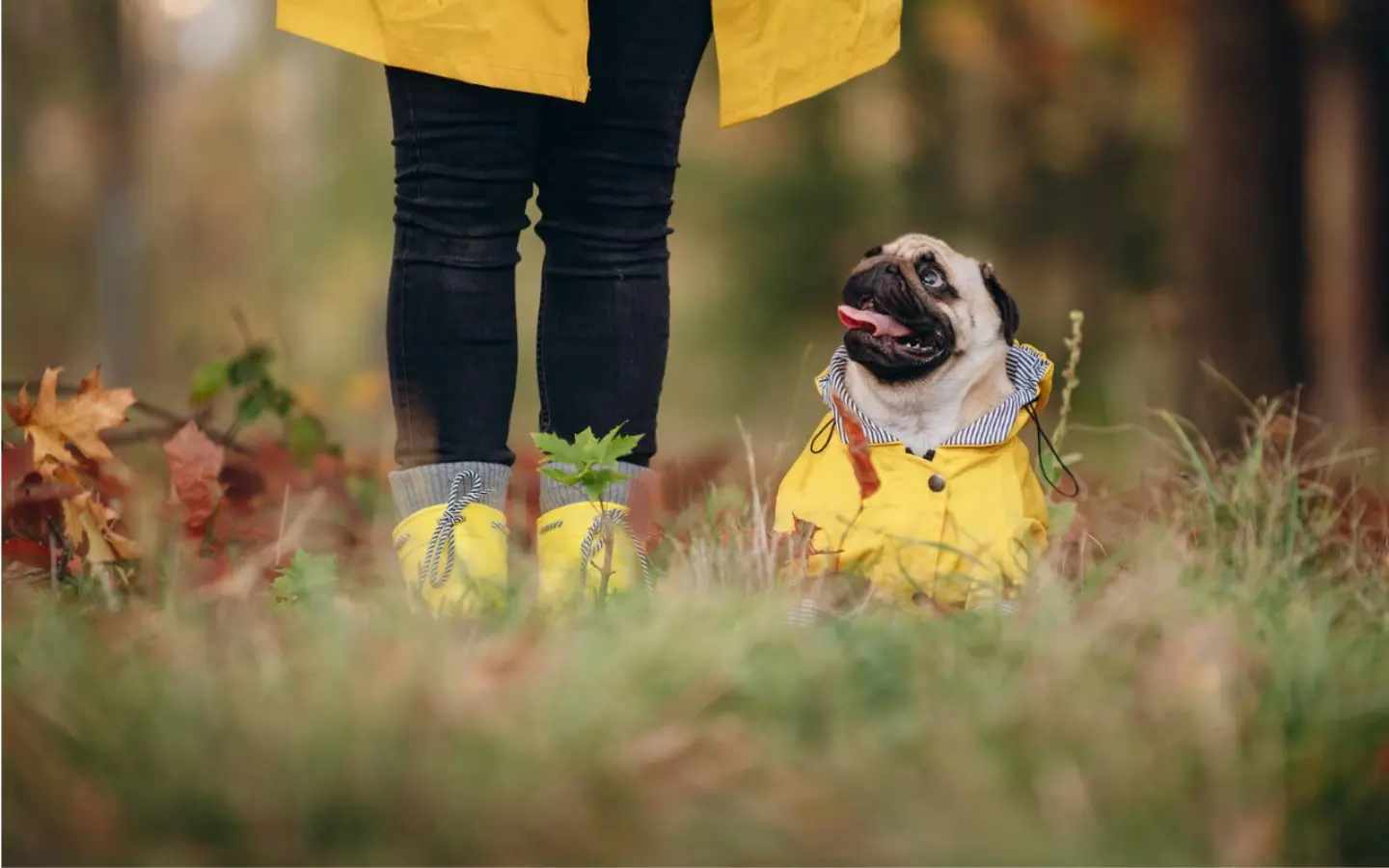
Tips to Help Your Dog Overcome Fear When Wearing a Raincoat
Many dogs develop anxiety or fear when introduced to raincoats due to unfamiliar textures, sounds, or restricted movement. This fear can lead to freezing, shaking, or even aggression during attempts to put on the coat. By using gradual desensitization, positive reinforcement, and patience, owners can help their dogs associate the raincoat with positive experiences. Here’s how to transform fear into calm cooperation.
Creating a Positive Introduction to the Raincoat
The first step in overcoming fear is ensuring the dog views the raincoat as a neutral or enjoyable object. Dogs that associate the coat with treats, play, or gentle handling are more likely to tolerate it over time.
Start by placing the raincoat in a neutral area where the dog spends time, such as their bed or play zone. Allow them to sniff and investigate it without pressure. Pair the coat’s presence with high-value treats or their favorite toy to create a positive connection. Next, gently touch the coat to the dog’s back, shoulders, or paws for a few seconds, then remove it and reward. If the dog shows signs of stress (e.g., lip-licking, yawning, or turning away), pause and try again later. Over several days, increase the duration of contact and the areas touched, always rewarding calm behavior. Avoid forcing the coat onto the dog or rushing the process, as this can reinforce fear.
Using Desensitization to Build Tolerance
Desensitization involves exposing the dog to the raincoat in tiny, non-threatening increments until they become comfortable with its presence and use. This method requires patience but is highly effective.
Begin by draping the coat loosely over the dog’s back for 5–10 seconds, then remove it and offer a treat. Repeat this daily, gradually increasing the time to 30 seconds, then 1 minute. If the dog remains calm, fasten one strap or zipper briefly, then unfasten it and reward. Progress to fastening multiple straps or zipping up the coat partially, always pairing the action with treats or praise. For dogs that panic when the hood is placed over their head, practice touching their ears and neck with the hood first, then gradually introduce it for brief moments. If the dog becomes overwhelmed, remove the coat and end the session on a positive note (e.g., a short play session or cuddle). Consistency is key—short, daily sessions are more effective than sporadic, long ones.
Incorporating Counter-Conditioning Techniques
Counter-conditioning involves changing the dog’s emotional response to the raincoat from fear to joy. By pairing the coat with activities the dog loves, they’ll learn to associate it with positive outcomes.
Put the raincoat on the dog briefly before a favorite activity, such as a walk, meal, or game of fetch. Immediately after removing the coat, engage in the activity to reinforce the connection. For example, say “raincoat time!” in an upbeat tone, put on the coat for 1 minute, then take it off and go for a walk. Repeat this daily until the dog anticipates the walk when they see the coat. If the dog refuses to move while wearing the coat, use treats or toys to encourage gentle movement (e.g., taking a few steps toward a treat). For highly anxious dogs, practice putting on the coat while they eat a meal or chew a long-lasting treat. The goal is to distract them from fear and focus on the positive experience.
Practicing in a Calm, Distraction-Free Environment
A quiet, familiar space helps the dog focus on the raincoat without external stressors. Loud noises, other pets, or unfamiliar surroundings can amplify fear and make training counterproductive.
Choose a room with minimal distractions, such as a bedroom or living room. Remove toys, food bowls, or other animals during training sessions. Begin by having the dog wear the coat while sitting calmly, rewarding them every 30 seconds for staying still. If they fidget, gently guide them back into position and resume rewarding. For dogs that try to escape, use a leash to hold them in place lightly while offering treats. Once the dog is comfortable indoors, gradually practice in more challenging environments (e.g., a quiet porch or backyard), always rewarding calm behavior. Avoid forcing the dog into situations where they feel trapped or overwhelmed—let them set the pace.
Teaching a “Relax” or “Settle” Command
A reliable “relax” or “settle” cue helps the dog stay calm during raincoat sessions. When paired with treats and praise, it gives them a clear way to earn rewards while managing their anxiety.
Start by teaching the command in a low-stress setting, such as during a cuddle session. Say “relax” in a soft tone and gently stroke the dog’s back. When they lie down or stop fidgeting, offer a treat and praise. Gradually practice the command while the dog wears the raincoat. If they start to panic, say “relax” and wait for them to settle, even briefly, before rewarding. For dogs that struggle to calm down, use a calming aid like a lick mat or stuffed Kong to distract them while you wait. Over time, the dog will learn that staying relaxed in the coat leads to rewards.
Using Gentle Handling to Reduce Stress
Rough or sudden movements can startle a fearful dog and worsen their anxiety. Handling the raincoat with care and patience helps the dog feel safe and in control.
Approach the dog slowly and calmly when putting on the coat. Avoid pulling or tugging straps—instead, slide them gently over paws or around the belly. If the dog resists, pause and let them sniff or investigate the coat before trying again. For dogs sensitive to touch, practice gently petting their back, legs, and neck daily to build tolerance. Use a soft, lightweight coat initially to reduce noise and restriction. If the dog bites or nips during the process, redirect their attention with a treat or toy. Never punish fearful behavior—this will only increase anxiety.
Addressing Specific Fear Triggers
Some dogs fear the raincoat due to specific triggers, such as the sound of zippers, the feel of fabric on their paws, or the hood blocking their vision. Identifying and addressing these triggers can make the coat less intimidating.
If the dog dislikes the sound of zippers, practice unzipping and zipping the coat near them while offering treats. Gradually move closer until they associate the sound with rewards. For dogs that hate fabric on their paws, practice lifting each paw and touching it with the coat’s sleeve, rewarding them for staying still. If the hood is the issue, fold it back or tuck it under the collar during early training sessions. For dogs that freeze when the coat is put on, use treats to guide them into a standing or sitting position, rewarding each small step. Over time, the dog will become desensitized to their triggers.
Building Confidence Through Short, Successful Sessions
Fearful dogs thrive on consistency and small victories. Short, frequent training sessions that end positively help them build trust and confidence in the raincoat.
Limit each session to 5–10 minutes, focusing on one small goal (e.g., wearing the coat for 30 seconds or fastening one strap). End the session immediately if the dog becomes stressed, even if progress is slow. Always reward the dog with a treat, praise, or playtime after removing the coat. Gradually increase the session’s duration and complexity as the dog gains confidence. For example, after a week of 1-minute sessions, try 2 minutes with an additional strap fastened. If the dog regresses, return to an easier step and rebuild their comfort.
Conclusion: Patience and Positivity Overcome Fear
Helping a dog overcome fear of the raincoat requires time, empathy, and creative training. By focusing on gradual exposure, positive reinforcement, and addressing their specific triggers, owners can turn a stressful experience into a manageable one. Remember, every dog learns at their own pace—celebrate small wins and avoid pushing too hard. With consistency and kindness, your dog will learn to stay calm, making rainy days less daunting for both of you.