

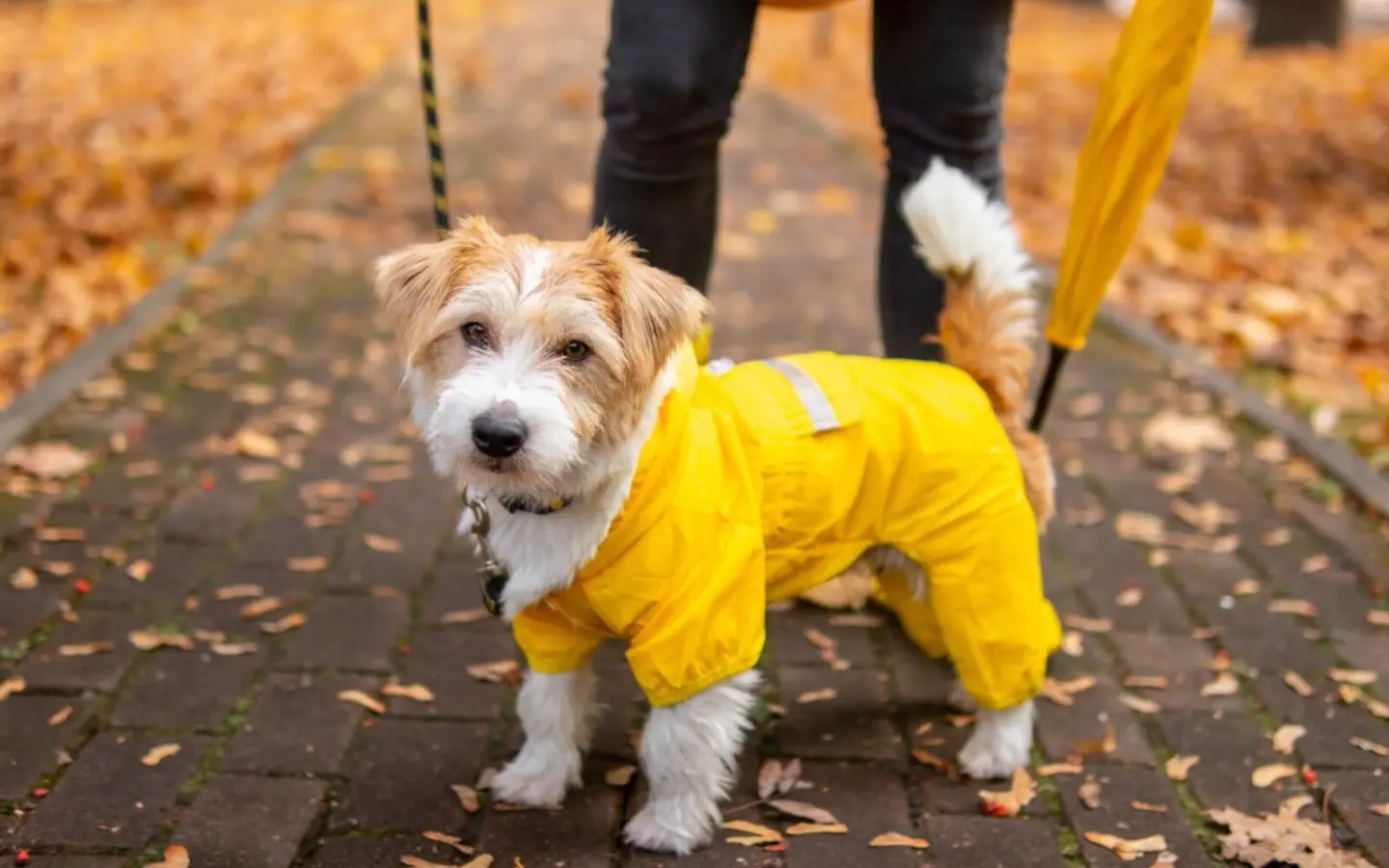
Tips for Helping Your Dog Move Freely While Wearing a Raincoat
A raincoat is essential for keeping your dog dry during wet weather, but if it restricts movement or causes discomfort, your pet may avoid walks or become stressed. Ensuring the coat fits well, allows natural motion, and adapts to your dog’s activities is key to maintaining their mobility and enjoyment. Here’s how to help your dog move freely while staying protected from the rain.
Adjusting the Fit for Unrestricted Range of Motion
A poorly fitted raincoat can hinder a dog’s ability to run, jump, or even walk comfortably. Coats that are too tight around the chest, shoulders, or hindquarters may limit leg movement, while overly loose coats can bunch up or get caught on obstacles.
To optimize the fit, start by selecting a coat with adjustable straps at the chest, belly, and sometimes the neck. Loosen all straps before putting the coat on, then tighten them gradually to ensure a snug but non-restrictive fit. The chest strap should sit just behind the front legs without pressing into the armpits, and the belly strap should allow enough room for the dog to bend and stretch comfortably. If the coat has leg openings, position them just above the hocks to prevent rubbing without constraining movement. Regularly check the fit during walks, as dogs may shift positions or grow into/out of the coat over time.
Choosing the Right Material and Design for Flexibility
The material and construction of a raincoat significantly impact how easily your dog can move. Heavy, stiff fabrics may restrict bending or twisting, while non-breathable materials can trap heat and cause discomfort during exertion.
Opt for raincoats made from lightweight, flexible fabrics like ripstop nylon or polyester with a bit of stretch. These materials conform to the dog’s body without adding bulk, allowing for natural motion. Look for coats with reinforced seams in high-stress areas (e.g., the chest and belly) to prevent tearing during active play. Avoid coats with rigid plastic boning, thick padding, or heavy linings, as these can weigh the dog down or restrict movement. If the coat has a hood, ensure it’s detachable or adjustable to avoid blocking vision or flopping into the dog’s face during activity.
Tailoring the Coat for Specific Activities
Dogs engage in various activities during walks—running, jumping, sniffing, or even digging—and a raincoat must adapt to these movements without causing drag or restriction. For example, a coat that’s too long may trip the dog during sprints, while one that’s too short could leave the belly exposed during rolling or digging.
To accommodate activity, adjust the coat’s length and coverage based on your dog’s behavior. For active dogs who run or play fetch, choose a coat with a shorter, streamlined design that won’t flap in the wind or get caught on branches. If your dog likes to sniff low to the ground, opt for a coat with a flexible front panel that bends easily without pulling on the neck. For dogs who dig, avoid coats with long belly flaps that could trap dirt or snag on roots. During play, periodically check the coat for debris (e.g., twigs, leaves) caught in straps or fabric, and remove it promptly to prevent irritation.
Modifying Straps and Closures to Prevent Slipping or Chafing
Straps and closures are critical for keeping the raincoat in place, but if they’re too tight, loose, or rough, they can cause discomfort or restrict movement. Velcro, buckles, or elastic bands that rub against the skin may lead to chafing, especially during prolonged wear.
To ensure comfort, adjust straps to fit securely without digging into the skin. Use the “two-finger rule”—you should be able to slide two fingers between the strap and the dog’s body. If the coat has Velcro, position it away from sensitive areas (e.g., the inner thighs or armpits) to prevent hair pulling or skin irritation. For dogs with thick fur, consider trimming the area under straps slightly to reduce bulk and improve the fit. If the coat uses elastic bands, ensure they’re not too tight around the legs or tail, as this could restrict circulation or cause discomfort.
Encouraging Natural Posture and Gait
A raincoat that shifts or rides up during movement can alter a dog’s natural posture, leading to stiffness or reluctance to walk. Coats that bunch around the shoulders or hips may force the dog to compensate by walking awkwardly, which could strain muscles over time.
To maintain natural movement, choose a coat with a tailored cut that follows the dog’s body shape. Avoid coats with excess fabric in the chest or belly area, as these can flap or bunch. If the coat has a belly flap, ensure it’s long enough to cover the area without hanging too low and getting dirty. During walks, observe your dog’s gait—if they seem stiff or favor one side, the coat may be too tight or shifting. Pause to readjust the straps or remove the coat temporarily if needed.
Addressing Overheating and Breathability Issues
Even in cool, rainy weather, dogs can overheat if their raincoat traps moisture or restricts airflow. Heavy, non-breathable fabrics or coats with waterproof linings may cause the dog to pant excessively or seek to remove the coat.
To improve breathability, select a raincoat with mesh lining or ventilation panels in high-heat areas (e.g., the underbelly or armpits). Avoid coats with plastic or rubberized linings, as these can trap heat and moisture. If the coat becomes wet during use, wring it out or towel-dry the dog’s fur to prevent chills. In warmer weather, consider using the raincoat only during light rain or for short walks, and remove it if the dog shows signs of overheating (e.g., excessive panting, lethargy).
Training and Positive Reinforcement for Coat Acceptance
Some dogs may resist wearing a raincoat initially, especially if it feels foreign or restricts their movement. Anxiety or frustration can lead to stiff walking, refusal to move, or attempts to remove the coat.
To help your dog adjust, introduce the coat gradually. Start by letting them sniff and explore it while offering treats or praise. Then, put the coat on for short periods indoors, gradually increasing the duration as they become comfortable. Use positive reinforcement (e.g., treats, toys, or verbal praise) to associate the coat with positive experiences. If the dog seems uncomfortable, check the fit and adjust straps or fabric as needed. During walks, distract them with play or treats to reduce focus on the coat.
Conclusion: Prioritizing Mobility and Comfort
Helping your dog move freely while wearing a raincoat requires attention to fit, material, and activity-specific needs. By adjusting straps, choosing flexible fabrics, and monitoring their behavior, owners can ensure their pets stay dry without sacrificing mobility or joy. With these tips, rainy walks can remain a fun, stress-free part of your dog’s routine.