

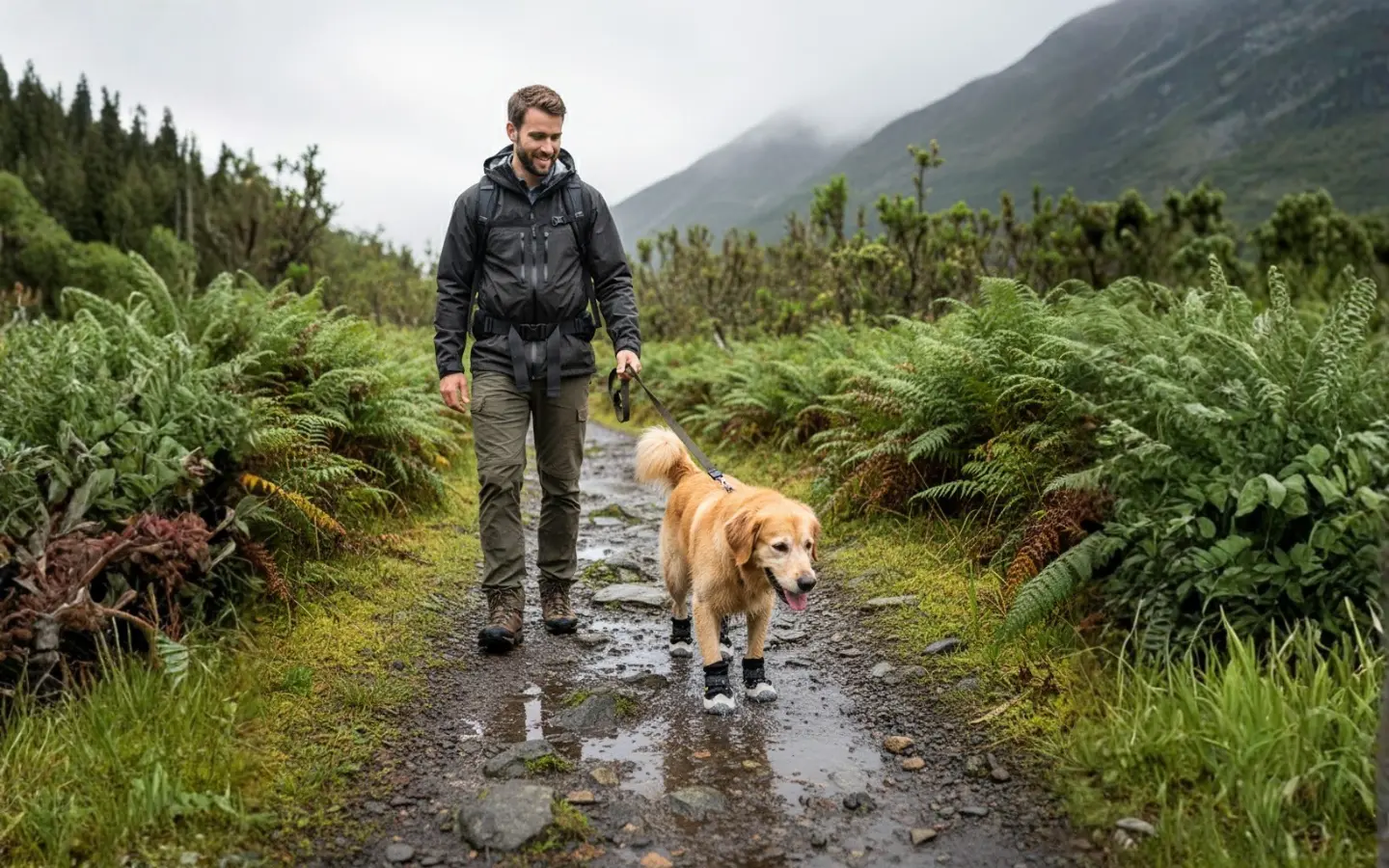
Training Your Dog to Get Comfortable with an Outdoor Backpack
Introducing a backpack to your dog for outdoor adventures requires patience and positive reinforcement. Many dogs feel uneasy or resistant at first, but with gradual training, they can learn to wear a backpack confidently. Here’s how to help your dog adjust step by step.
Starting with Desensitization and Positive Associations
The first step is helping your dog associate the backpack with positive experiences. This builds trust and reduces anxiety around the new gear.
Let Your Dog Explore the Empty Backpack
Begin by placing the empty backpack near your dog’s food bowl, bed, or play area. Allow them to sniff, paw at, or even lie next to it without any pressure. This familiarizes them with the backpack’s presence and scent. Reward calm behavior with treats or praise to reinforce that the backpack isn’t a threat.
Introduce the Backpack During Playtime
Once your dog seems comfortable around the backpack, incorporate it into play sessions. Toss a toy near the backpack or hide treats inside its pockets for your dog to discover. This creates a fun connection between the backpack and enjoyable activities. Avoid forcing the backpack onto your dog during this stage—let them approach it on their own terms.
Gradually Touch the Backpack to Your Dog
After a few days of exploration, gently touch the backpack to your dog’s back or shoulders for short moments. Use a soft voice and offer treats immediately to reward tolerance. If your dog flinches or moves away, pause and try again later. The goal is to make light contact feel normal, not stressful.
Fitting the Backpack Correctly for Comfort
A properly fitted backpack is essential for your dog’s comfort and safety. Ill-fitting gear can cause chafing, restricted movement, or even injury.
Adjusting Straps for a Snug Fit
Start by loosening all straps on the backpack. Place it gently on your dog’s back, ensuring the base sits high on their shoulders, not sliding down toward their hips. Tighten the chest strap first to secure the pack in place, then adjust the belly strap so it’s snug but not constricting. You should be able to slide two fingers under each strap easily.
Checking for Rubbing or Pressure Points
With the backpack on, watch your dog walk around for a few minutes. Look for signs of discomfort, like excessive scratching, shaking, or trying to remove the pack. Check under the straps for redness or irritation. If your dog seems uneasy, loosen the straps slightly or reposition the pack higher on their back.
Using Lightweight Items During Initial Fitting
Once the backpack fits well, add a few lightweight items, like a small towel or a favorite toy, to mimic the feel of a loaded pack. Let your dog wear it for short periods indoors while you supervise. Gradually increase the duration as they grow accustomed to the added weight. Always remove the pack if your dog shows signs of fatigue or frustration.
Building Endurance with Short, Fun Outdoor Sessions
After your dog is comfortable wearing the backpack indoors, it’s time to practice outside. Start with brief walks in familiar, low-distraction environments.
Choosing Calm Locations for First Outings
Begin in your backyard or a quiet park where your dog feels relaxed. Avoid busy trails or areas with loud noises, which can overwhelm them while they’re still adjusting. Keep the first few sessions under 10 minutes to prevent overexertion. Let your dog set the pace—if they want to stop and sniff, let them.
Incorporating Rewards and Encouragement
During outdoor walks, praise your dog frequently and offer treats for wearing the backpack calmly. Use phrases like “good pack” or “nice walk” in an upbeat tone to create positive associations. If your dog seems hesitant, kneel down and encourage them with gentle petting or a favorite toy. Never pull or tug on the leash to force movement.
Gradually Increasing Duration and Difficulty
Over several weeks, slowly extend the length of your walks and introduce mild challenges, like walking up a gentle hill or navigating a short trail. Add small amounts of weight to the backpack, such as a water bottle or a lightweight jacket, to build your dog’s strength. Always monitor their energy levels—if they’re panting heavily or lagging behind, it’s time to end the session.
Addressing Common Challenges During Training
Even with careful training, your dog might face setbacks. Here’s how to handle common issues like resistance or discomfort.
Resistance to Wearing the Backpack
If your dog refuses to move or tries to shake off the pack, don’t force them. Take a step back and revisit earlier training stages, like desensitization or indoor wear. Use higher-value treats or toys to make the backpack more appealing. Some dogs respond better to shorter, more frequent sessions rather than long, infrequent ones.
Scratching or Biting at the Straps
Excessive scratching or biting at the backpack often indicates discomfort. Check the fit again—straps may be too tight or rubbing against sensitive skin. If the pack is positioned correctly, your dog might be bored or anxious. Distract them with a game or a puzzle toy during wear time to redirect their focus.
Overloading or Uneven Weight Distribution
Never overload your dog’s backpack, as this can strain their muscles or joints. Start with no more than 5% of their body weight and increase gradually to a maximum of 25% for active, healthy dogs. Ensure weight is distributed evenly on both sides to prevent limping or tilting. If your dog struggles to carry even light loads, consult a vet to rule out underlying health issues.
By following these steps and staying patient, your dog can learn to wear an outdoor backpack comfortably. Training takes time, but the reward is a happy, confident companion ready for adventures.