

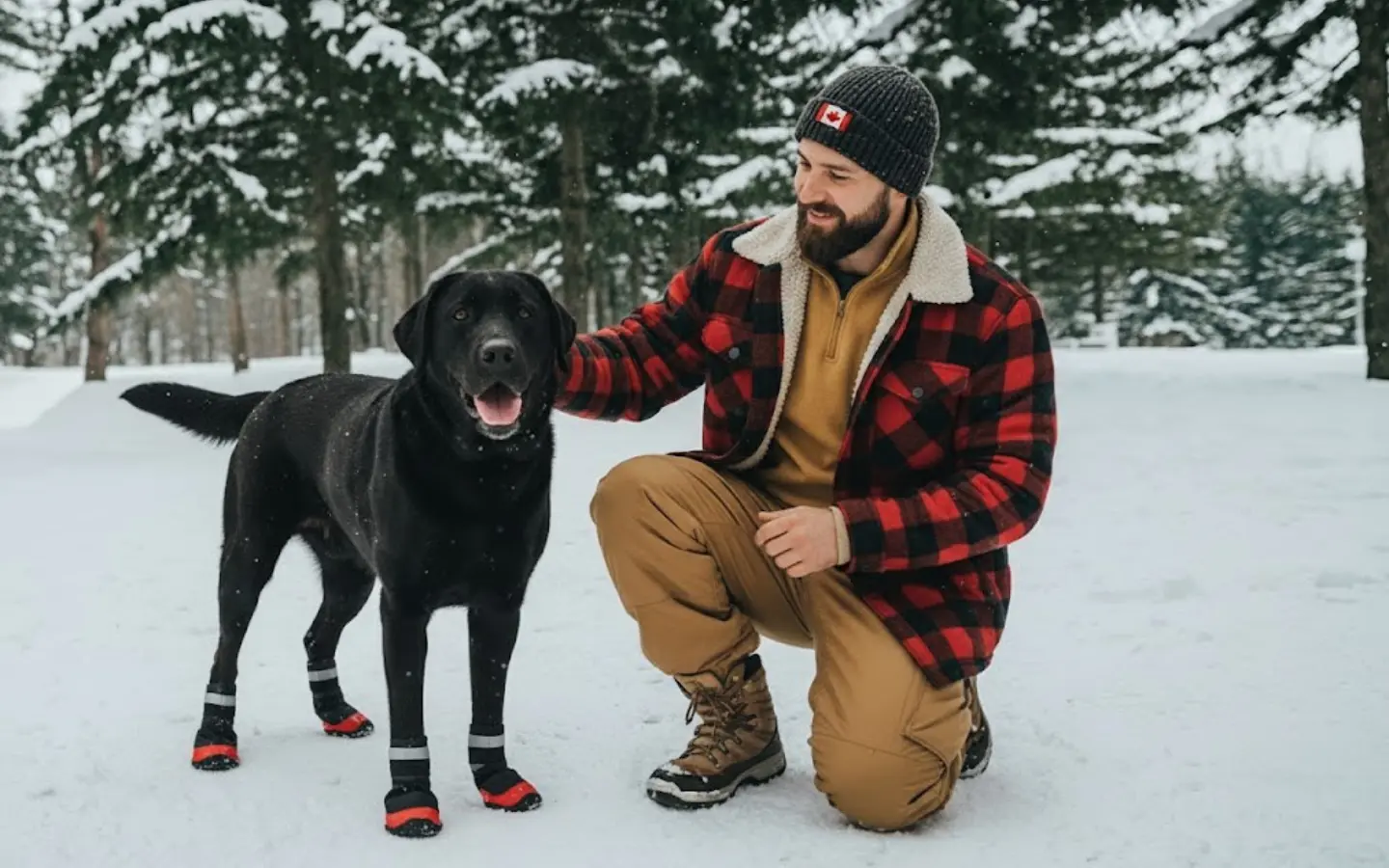
How to Help Your Dog Adjust to Wearing an Outdoor Raincoat: Practical Tips for Success
Getting your dog comfortable in a raincoat isn’t always easy, but with patience and positive reinforcement, it can become a stress-free experience. Rainy walks don’t have to mean soggy fur or shivering paws—here’s how to make the transition smooth.
Introduce the Raincoat Indoors First
Forcing your dog into a raincoat outside during a downpour is a recipe for resistance. Start by letting them explore the garment in a calm, familiar environment like your living room. Lay it out flat and place treats around it to create positive associations.
Once they’re comfortable approaching it, gently drape the raincoat over their back for a few seconds. Use a cheerful tone and offer praise or a small treat. If they seem uneasy, remove it immediately and try again later. Gradually increase the time it stays on, always rewarding calm behavior.
Let Your Dog Move Naturally in the Raincoat
A raincoat shouldn’t restrict movement. After your dog tolerates wearing it briefly, encourage them to walk around indoors. Watch for signs of discomfort, like stiffness or trying to shake it off. Adjust the fit if needed—it should be snug but not tight, with enough room for their legs to move freely.
If your dog refuses to walk, try playing with their favorite toy or offering treats to distract them. Keep sessions short (5–10 minutes) to prevent frustration. Over time, they’ll associate the raincoat with playtime, not confinement.
Pair the Raincoat with Positive Experiences Outdoors
Once your dog seems relaxed indoors, it’s time to venture outside. Choose a light drizzle for the first outing—heavy rain might overwhelm them. Let them explore the yard or walk a short distance while wearing the raincoat. Keep the mood upbeat with praise and treats.
If they hesitate at the door, avoid pushing them. Instead, toss a treat outside to encourage curiosity. Gradually extend the duration of walks, always ending before they show signs of stress. This helps them link the raincoat to enjoyable outdoor time.
Address Common Concerns like Slipping or Overheating
Raincoats can alter how your dog moves, especially on slick surfaces. Check that the fabric isn’t too smooth—some have textured soles or grips to prevent slipping. If your dog struggles to walk, practice indoors on a rug or carpet to build confidence.
Overheating is another risk, even in rainy weather. Choose a lightweight, breathable material and avoid covering areas like their belly or legs unless necessary. Watch for panting or lethargy, and remove the raincoat if they seem too warm.
Use Distractions to Reduce Focus on the Raincoat
Some dogs fixate on the feeling of wearing something new. Redirect their attention with engaging activities like fetching a ball or practicing obedience commands. The busier they are, the less they’ll notice the raincoat.
For anxious dogs, carry high-value treats during walks. Offer them frequently to create a pattern of positive reinforcement. If they start pawing at the raincoat, gently guide their attention back to you with a treat or toy.
Be Patient and Consistent with Training
Every dog adjusts at their own pace. Some may embrace the raincoat in days, while others take weeks. Avoid scolding or forcing them into it—this will only create negative associations. Instead, celebrate small victories, like wearing it for an extra minute or walking a few more steps.
If your dog shows extreme fear or aggression, consult a professional trainer. They can help identify underlying issues and tailor a plan to your dog’s needs.
By following these steps, your dog will learn to view their raincoat as a tool for comfort, not a burden. With time, rainy walks will become just another fun part of their routine.