

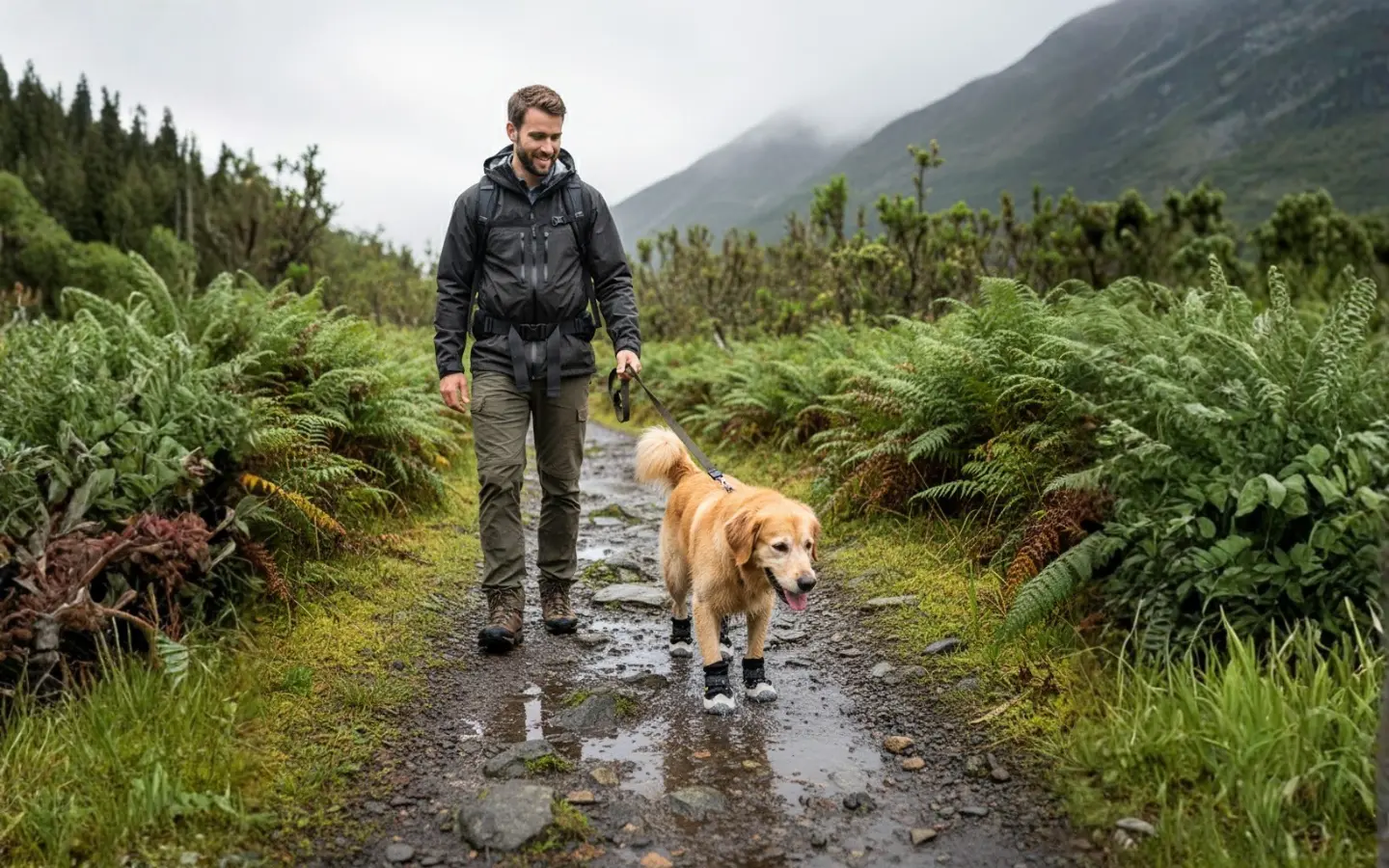
Helping Your Dog Get Comfortable with Sleeping Outdoors on a Mat: Effective Techniques
Getting your dog accustomed to sleeping outdoors on a mat is a valuable skill, especially if you enjoy camping, hiking, or spending time in nature with your furry companion. A comfortable outdoor sleeping setup ensures your dog stays safe, warm, and relaxed during adventures. Here’s how to make the transition smooth and enjoyable for both of you.
Gradual Introduction to the Outdoor Mat
Start with Familiar Scents and Environments
Dogs rely heavily on scent to feel secure. Begin by placing the outdoor mat in a familiar area, such as your backyard or patio, where your dog already spends time. Sprinkle a few of their favorite treats or toys on the mat to create positive associations. Allow your dog to explore the mat at their own pace without forcing interaction. This helps them recognize the mat as a safe and inviting space.
Use Short, Supervised Sessions
Initially, limit outdoor mat time to short, supervised sessions. For example, spend 10–15 minutes sitting with your dog on the mat during calm weather. Gradually increase the duration as your dog becomes more relaxed. If your dog shows signs of anxiety, such as pacing or whining, take a step back and reduce the session length. Consistency is key—repeat this process daily until your dog voluntarily lies down on the mat.
Mimic Indoor Comforts
To bridge the gap between indoor and outdoor sleeping, replicate some of your dog’s favorite indoor elements. If your dog sleeps on a soft blanket indoors, choose an outdoor mat with a similar texture. You can also place a worn T-shirt or a piece of bedding with your scent on the mat to provide reassurance. Avoid using heavy blankets outdoors, as they may retain moisture or become uncomfortable in varying weather conditions.
Building Positive Associations with Outdoor Sleeping
Incorporate Playtime and Rewards
Turn outdoor mat time into a fun activity by incorporating play. Toss a ball or engage in a gentle game of tug-of-war on or near the mat. When your dog interacts with the mat, even briefly, reward them with praise or a small treat. This reinforces the idea that the mat is a source of enjoyment. Over time, your dog will begin to view the mat as a central part of their outdoor routine.
Practice During Calm Weather Conditions
Weather plays a significant role in your dog’s comfort. Start practicing during mild, dry weather to avoid extremes like heat, cold, or rain. If your dog seems hesitant due to temperature, consider using a mat with insulating properties or placing it in a shaded area. Always monitor your dog for signs of overheating or shivering and adjust the environment accordingly. This helps your dog associate outdoor sleeping with pleasant, comfortable experiences.
Gradually Expand Sleeping Locations
Once your dog is comfortable on the mat in your backyard, slowly introduce new outdoor environments. Try placing the mat in a park, a friend’s yard, or a quiet campsite. Keep the experience positive by maintaining a relaxed atmosphere and offering rewards. If your dog seems overwhelmed, return to a familiar location and try again later. This step helps your dog generalize their comfort with the mat to various settings, making them adaptable to different adventures.
Addressing Common Challenges and Concerns
Dealing with Anxiety or Reluctance
Some dogs may resist sleeping outdoors due to anxiety or fear of unfamiliar sounds. To ease their concerns, stay nearby during initial sessions and offer soothing words or gentle petting. You can also play calming music or use a white noise machine to mask loud noises. If your dog’s anxiety persists, consult a veterinarian or professional trainer for additional strategies tailored to your dog’s needs.
Managing Weather-Related Discomfort
Outdoor sleeping requires preparation for changing weather. On hot days, ensure the mat is placed in a shaded, well-ventilated area and provide access to fresh water. In cold weather, use a mat with water-resistant properties and consider adding a layer of insulation, such as a fleece blanket (if appropriate for the conditions). Always check the mat for dampness, as moisture can make your dog uncomfortable and lead to health issues.
Encouraging Independent Use of the Mat
While supervised sessions are important, the ultimate goal is for your dog to use the mat independently. To encourage this, gradually reduce your presence during mat time. Start by sitting a few feet away, then move to a nearby bench or chair. Eventually, your dog will learn to settle on the mat even when you’re not directly beside them. This independence is especially useful during camping trips or outdoor gatherings where you may be busy with other activities.
By following these techniques, you can help your dog develop a positive and lasting relationship with their outdoor sleeping mat. Patience, consistency, and a focus on creating enjoyable experiences will ensure your dog feels secure and comfortable no matter where your adventures take you.