

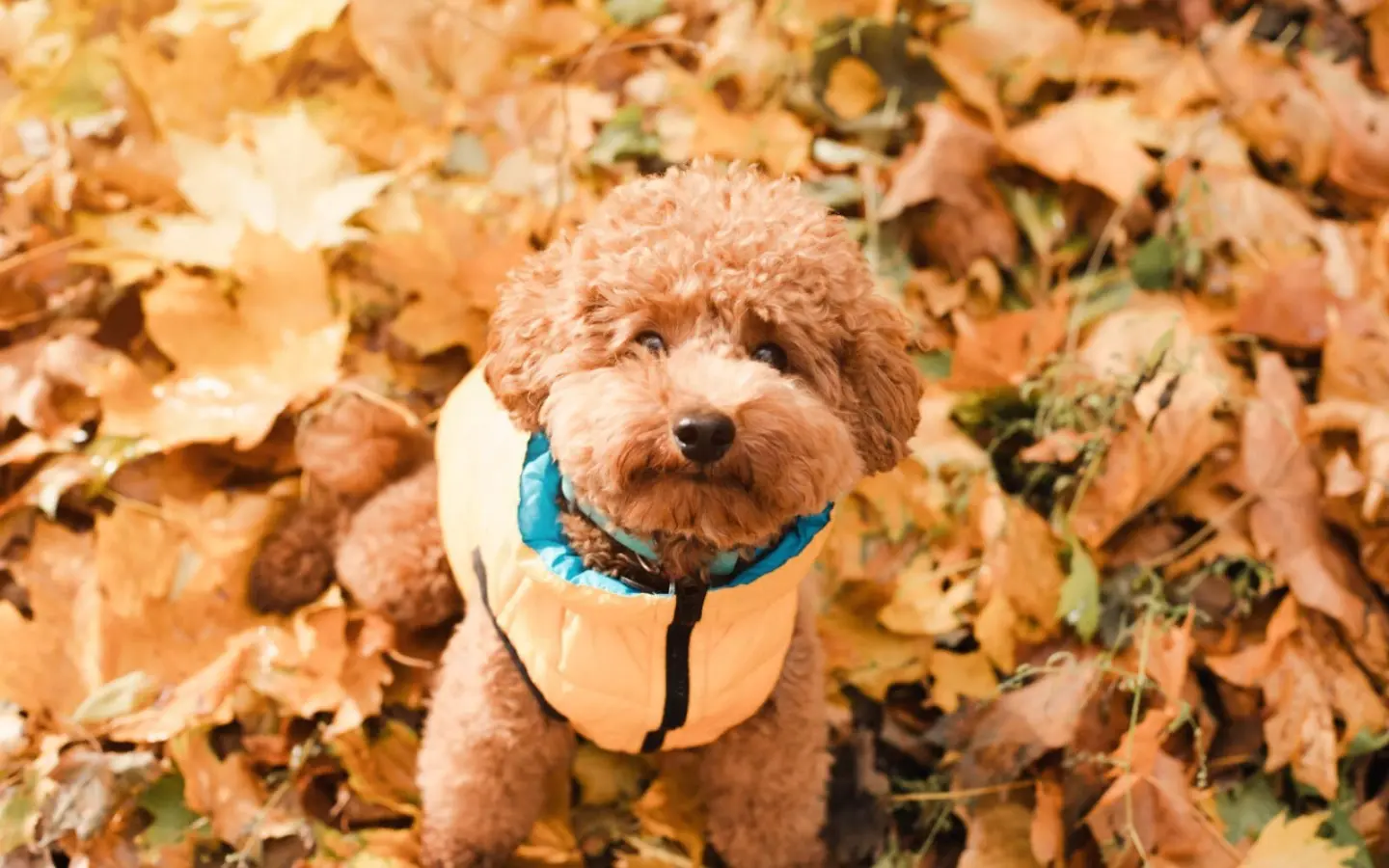
Tips to Prevent Raincoat Damage While Your Dog Plays in the Rain
Rainy-day play sessions can be messy and energetic, but rough play, sharp objects, or excessive movement can quickly damage a dog’s raincoat. Tears, rips, or loose seams not only reduce the coat’s effectiveness but also require costly repairs or replacements. By taking proactive steps to protect the raincoat during play, owners can extend its lifespan and keep their dogs dry. Here’s how to minimize wear and tear while letting your dog enjoy the outdoors.
Choosing Safe Play Areas to Reduce Snagging Risks
The environment where your dog plays significantly impacts the raincoat’s durability. Rough surfaces, thorny bushes, or jagged debris can catch on the fabric, causing tears or pulls. Even seemingly harmless areas (e.g., overgrown grass or wooden fences) may pose risks if the coat brushes against them repeatedly.
To protect the raincoat, opt for open, smooth play spaces like grassy fields, paved paths, or artificial turf. Avoid areas with thorny plants, broken glass, or sharp rocks. If playing in a backyard, inspect the ground for protruding nails, splintered wood, or metal edges that could snag the fabric. For dogs that love digging, redirect them to sandboxes or designated digging pits to prevent the coat from scraping against rough soil. If the coat does get caught on something, gently free it without tugging sharply, which could stretch or tear the material.
Adjusting Play Style to Minimize Rough Movement
Energetic play, such as chasing, wrestling, or jumping, can strain the raincoat’s seams, straps, or zippers. Dogs that roll in mud or rub against surfaces may also cause abrasions or weaken the fabric over time.
Encourage lower-impact activities during rainy play sessions. Instead of fetch with hard toys, use soft, lightweight balls or plush toys that reduce the force of impact if the dog leaps or twists. For dogs prone to roughhousing, redirect their energy into gentle games like “find it” (hiding treats in the grass) or short training drills (e.g., “sit” or “shake”). If the dog loves to swim, avoid letting them swim while wearing the raincoat, as chlorine, saltwater, or prolonged submersion can degrade waterproof materials. Always supervise play to intervene if the dog begins biting, scratching, or rubbing the coat against rough surfaces.
Securing Loose Straps and Fastenings to Prevent Tangling
Raincoats often have adjustable straps, buckles, or hoods that can flap, tangle, or get caught on objects during play. Loose straps may also drag on the ground, picking up dirt or debris that could damage the fabric.
Before play, ensure all straps, buckles, and zippers are securely fastened but not overly tight. Tuck in any loose ends or excess fabric to minimize the risk of snagging. If the coat has a hood, consider removing it during play to prevent it from flipping up and obscuring the dog’s vision or getting caught on branches. For coats with Velcro closures, avoid sticking them to the fabric itself, as this can cause pilling or fraying. Regularly check the coat during play for shifted straps or tangled fastenings, and readjust them as needed.
Avoiding High-Friction Activities That Wear Down Fabric
Certain behaviors, like sliding on wet surfaces, rubbing against walls, or rolling in mud, can cause friction that wears down the raincoat’s waterproof coating or tears the fabric. Even repetitive movements (e.g., pacing or spinning) can stress seams over time.
To reduce friction, discourage activities that involve excessive rubbing or sliding. If the dog tries to roll in mud or puddles, gently redirect them with a toy or treat. For dogs that love to “zoom” in circles, limit these bursts of energy to short intervals to prevent the coat from twisting or bunching. If the coat has reflective strips or decorative elements, avoid letting the dog rub against rough surfaces that could scratch or peel them off. After play, inspect the coat for signs of wear, such as frayed edges, loose threads, or discolored patches, and address minor issues before they worsen.
Removing the Raincoat During Intense Play or Swimming
While raincoats are designed for wet weather, they’re not meant to withstand prolonged submersion, rough handling, or high-speed impact. Forcing a coat to endure activities beyond its intended use can lead to rapid deterioration.
If your dog’s play involves swimming, diving, or intense wrestling, remove the raincoat first. Waterlogged fabric becomes heavy and restrictive, and chlorine or saltwater can damage waterproof membranes. Similarly, if the dog will be digging, climbing, or navigating dense underbrush, it’s safer to let them play without the coat to avoid tears or snags. Instead, use the coat for shorter walks or light play sessions where the risk of damage is lower. Always carry a towel to dry the dog off afterward, reducing the need for prolonged coat use.
Inspecting and Maintaining the Raincoat After Play
Even with careful precautions, raincoats can sustain minor damage during play. Regular inspections and maintenance help catch issues early and prevent them from escalating.
After each play session, check the coat for tears, loose seams, or missing buttons. Pay close attention to high-stress areas like the neck, armpits, and belly straps. If you notice a small rip, mend it immediately with fabric glue or a needle and thread (if the material allows). For stubborn stains, spot-clean the coat with mild soap and water, avoiding harsh detergents that could strip the waterproof coating. Hang the coat to dry thoroughly before storing it to prevent mold or mildew. If the coat shows significant wear (e.g., thinning fabric or delaminating layers), consider retiring it for lighter use or replacing it to ensure your dog stays dry.
Training Your Dog to Respect Gear During Play
Some dogs may chew, bite, or paw at their raincoat out of curiosity or frustration, leading to holes or frayed edges. Teaching them to leave the coat alone during play reduces accidental damage.
Start by training your dog to “leave it” or “drop it” using treats or toys. Practice this command indoors before introducing the raincoat. During play, if the dog begins nibbling or scratching the coat, calmly redirect their attention with a toy or treat. If they persist, end the play session briefly and resume only when they’ve settled. Avoid leaving the coat unattended on the dog, as this increases the chance of damage. For dogs prone to gear-chewing, provide alternative chew toys during play to satisfy their urge to gnaw.
Conclusion: Balancing Play and Protection
Protecting a dog’s raincoat during play requires mindfulness and preparation. By choosing safe environments, adjusting play styles, and maintaining the coat regularly, owners can ensure it stays intact through countless rainy adventures. Remember, a well-cared-for raincoat not only keeps your dog dry but also saves time and money on replacements. With a little planning, playtime and protection can go hand in hand.