

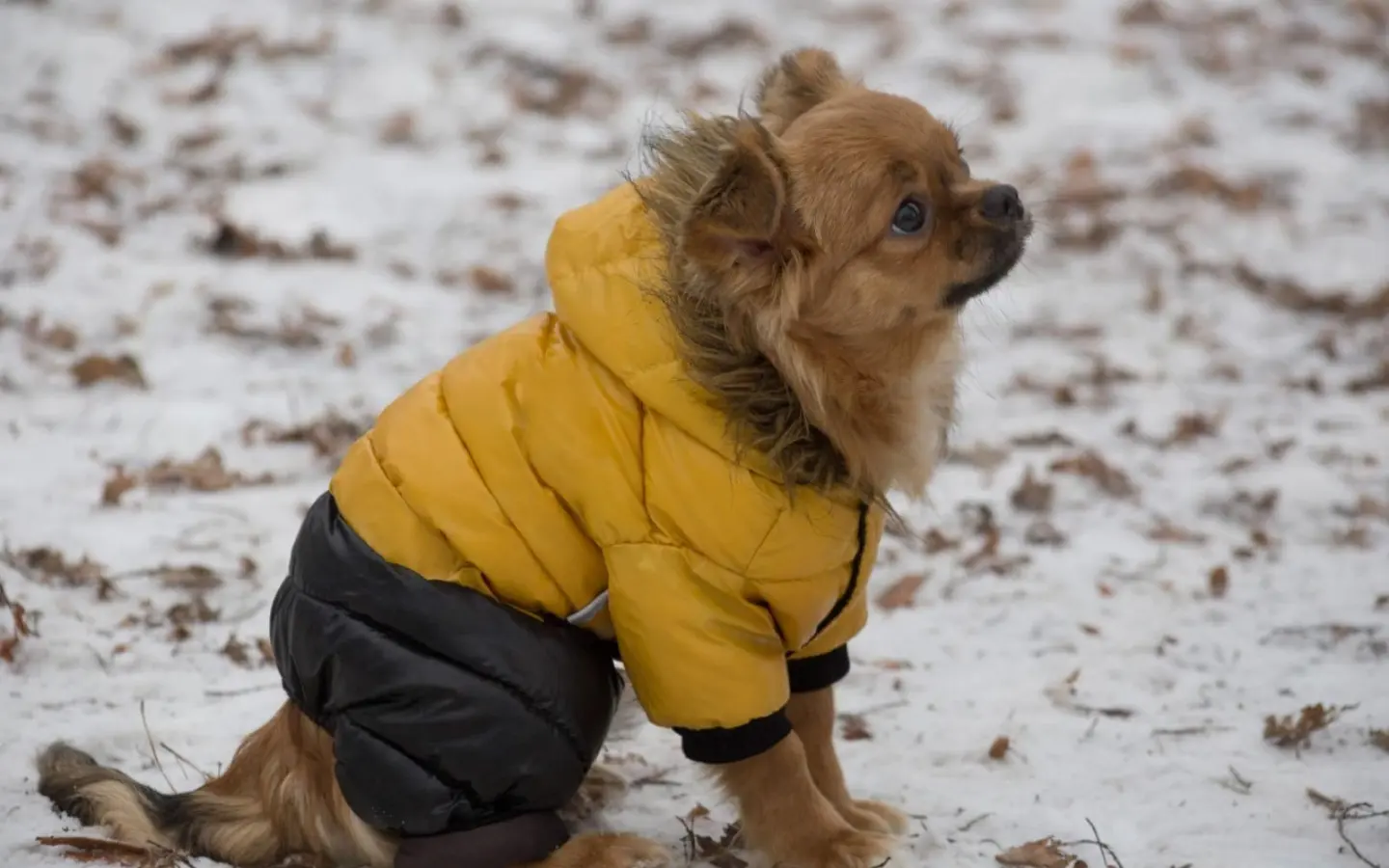
Effective Methods to Remove Oil Stains from Your Dog’s Raincoat
Oil stains on a dog’s raincoat can compromise its waterproofing and appearance, but prompt and gentle cleaning can restore its functionality. Here are practical steps to tackle grease, food, or other oily residues without damaging the fabric.
Pre-Treatment: Absorbing Excess Oil
Before applying cleaning agents, address fresh oil stains by blotting the area with a clean, dry cloth or paper towel. Avoid rubbing, as this can push the oil deeper into the fabric. For older stains, sprinkle a small amount of absorbent powder like cornstarch, baking soda, or talcum powder over the spot. Let it sit for 30 minutes to draw out the oil, then gently brush off the powder with a soft-bristled brush. Repeat if the stain persists, ensuring the fabric is dry before proceeding.
If the raincoat has a textured surface, use a toothbrush or cotton swab to target crevices where oil might hide. For stubborn residues, place a layer of absorbent paper beneath the stain and apply gentle pressure with a warm iron (set to low heat) to encourage oil transfer. Keep the iron moving to avoid scorching the fabric, and replace the paper as it becomes saturated.
Gentle Cleaning with Dish Soap or Degreaser
Dish soap is effective for breaking down oils due to its grease-cutting properties. Dilute a small amount in lukewarm water and test it on an inconspicuous area to ensure it doesn’t discolor or damage the fabric. Using a sponge or cloth, dab the soapy solution onto the stain, working from the outside inward to prevent spreading. Let it sit for 5–10 minutes, then rinse thoroughly with clean water. Pat dry with a towel and air-dry away from direct heat or sunlight.
For tougher stains, create a paste using baking soda and water. Apply it to the affected area, let it dry slightly, then scrub gently with a soft brush. Rinse well and repeat if necessary. Avoid using harsh chemicals like bleach or solvents, as these can strip waterproof coatings or weaken seams. If the raincoat is labeled as machine-washable, use a gentle cycle with cold water and a mild detergent, but skip the spin cycle to prevent creasing.
Natural Remedies for Delicate Fabrics
If the raincoat is made of sensitive material, opt for natural stain removers like white vinegar or lemon juice. Mix equal parts vinegar and water, then dab the solution onto the stain using a cloth. Let it sit for 15 minutes before rinsing with cold water. Lemon juice works similarly but is best for light-colored fabrics to avoid bleaching. For a mild abrasive, crush aspirin tablets into a powder, mix with water to form a paste, and apply it to the stain. The salicylic acid can help lift oil without harsh side effects.
Another eco-friendly option is to use a mixture of salt and lemon juice. Sprinkle salt over the stain, squeeze lemon juice onto it, and let it sit in sunlight for an hour. The combination of acid and salt can break down oils naturally. Rinse thoroughly afterward and dry as usual. Always test these methods on a hidden area first to check for adverse reactions.
Preventing Future Oil Stains
To minimize recurrence, avoid exposing the raincoat to oily substances like car grease, cooking oils, or certain pet treats. If the dog frequently walks near greasy surfaces, consider applying a waterproofing spray after cleaning to reinforce the fabric’s protective layer. Store the raincoat in a clean, dry place away from potential contaminants, and inspect it regularly for signs of new stains.
For dogs prone to messy eating, use a bib or placemat during meals to reduce spills on their gear. If the raincoat does get stained, act quickly—the longer oil sits, the harder it is to remove. By incorporating these practices, you can keep the raincoat looking and functioning its best for years to come.