

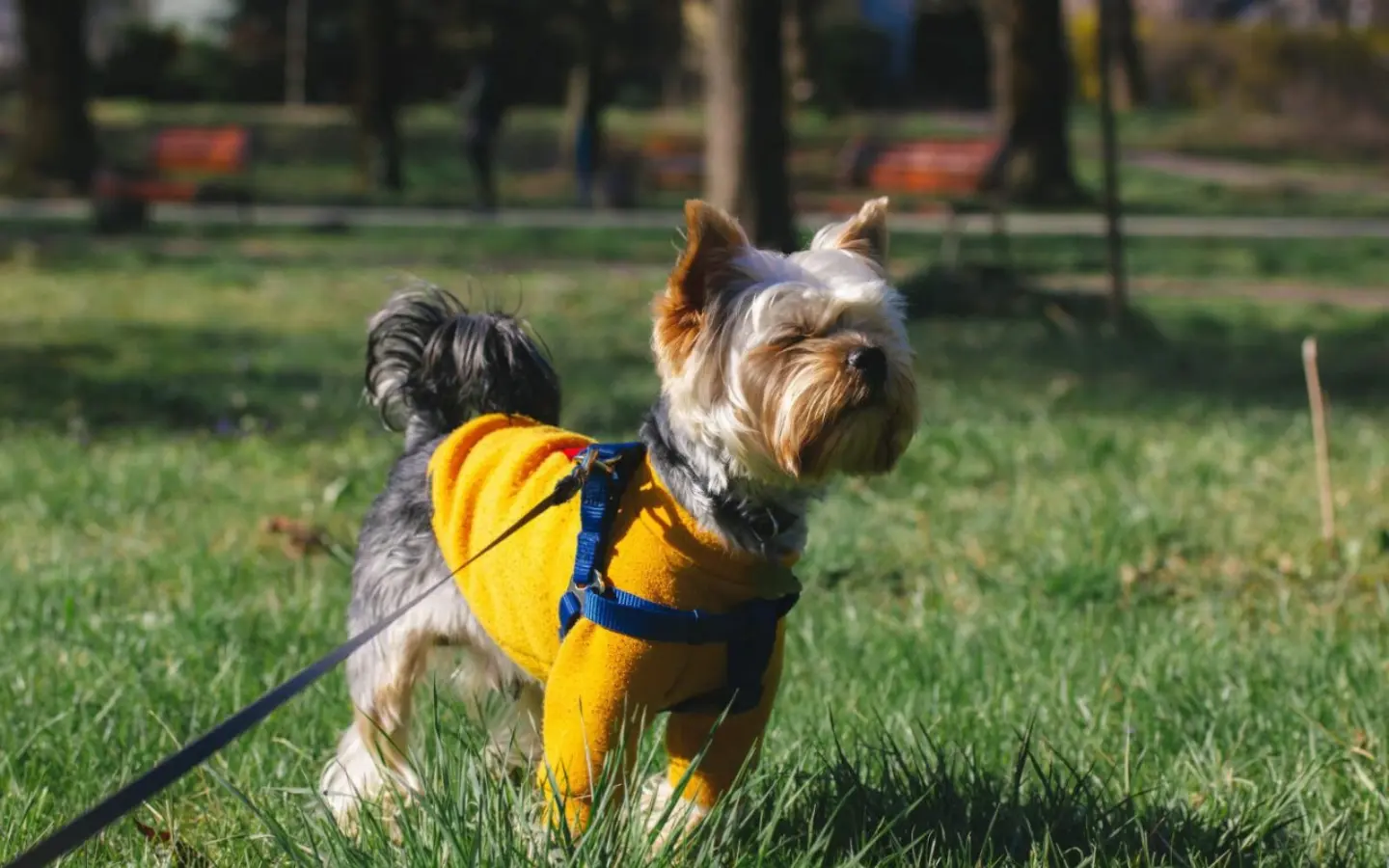
How to Select the Perfect-Fitting Raincoat for Your Adult Dog: A Comprehensive Guide
Choosing a raincoat for your adult dog goes beyond aesthetics—it’s about ensuring protection, comfort, and unrestricted movement during wet weather. An ill-fitting raincoat can cause discomfort, restrict mobility, or fail to shield your dog from rain. Here’s how to measure and evaluate options for a flawless fit.
Mastering Accurate Measurements for Adult Dogs
Adult dogs vary widely in size and build, so precise measurements are essential. Use a flexible measuring tape and focus on these areas:
- Neck Width: Measure the circumference where your dog’s collar rests. The tape should fit snugly but allow enough space for two fingers to slide in comfortably. Avoid guessing—even small errors can lead to a chafing fit.
- Chest Depth: Wrap the tape around the broadest part of your dog’s ribcage, just behind the front legs. This measurement ensures the raincoat won’t pinch or constrict breathing.
- Body Length: Start at the base of the neck (where it meets the shoulders) and extend to the tail’s base. For breeds with long torsos, prioritize raincoats designed for elongated bodies to prevent coverage gaps.
Pro Tip: If your dog has a thick coat, measure over the fur to account for bulk. For lean breeds, avoid overly loose fits that may shift during movement.
Ensuring Unrestricted Movement and Comfort
A well-fitted raincoat should feel like a second skin, not a constraint. Evaluate these factors to guarantee freedom of motion:
- Leg Hole Flexibility: The openings for the legs must be spacious enough to prevent rubbing but not so large that water seeps in. Adjustable elastic bands or Velcro straps can help customize the fit.
- Tail Clearance: For dogs with long tails, ensure the raincoat’s hem doesn’t press against or trap the tail. Some designs include tail flaps or extended back panels for added protection.
- Breathability: Opt for lightweight, waterproof fabrics that allow airflow. Dogs regulate body temperature through panting, so trapped heat can lead to overheating. Look for mesh-lined panels or vented sections.
Common Mistake: Avoid raincoats with stiff materials that restrict neck movement or make it hard for your dog to turn their head.
Evaluating Fit Through Real-World Testing
Even with perfect measurements, practical use reveals hidden issues. Test the raincoat in controlled conditions:
- Observe Behavior: If your dog hesitates to walk, sits abruptly, or tries to remove the raincoat, it may be too tight or irritating. Check for red marks or fur indentation after removal.
- Check for Slippage: A properly fitted raincoat should stay in place during play or sudden movements. Adjust straps or buckles if the coat shifts toward the hips or shoulders.
- Simulate Rain: Spray water lightly on the raincoat to test waterproofing. Ensure seams are sealed and no moisture penetrates through zippers or stitching.
Final Consideration: Introduce the raincoat gradually by letting your dog wear it indoors for short periods. Pair it with treats or playtime to create positive associations before venturing outside.
By prioritizing precise measurements, mobility, and real-world testing, you’ll select a raincoat that keeps your adult dog dry and comfortable in any downpour.