

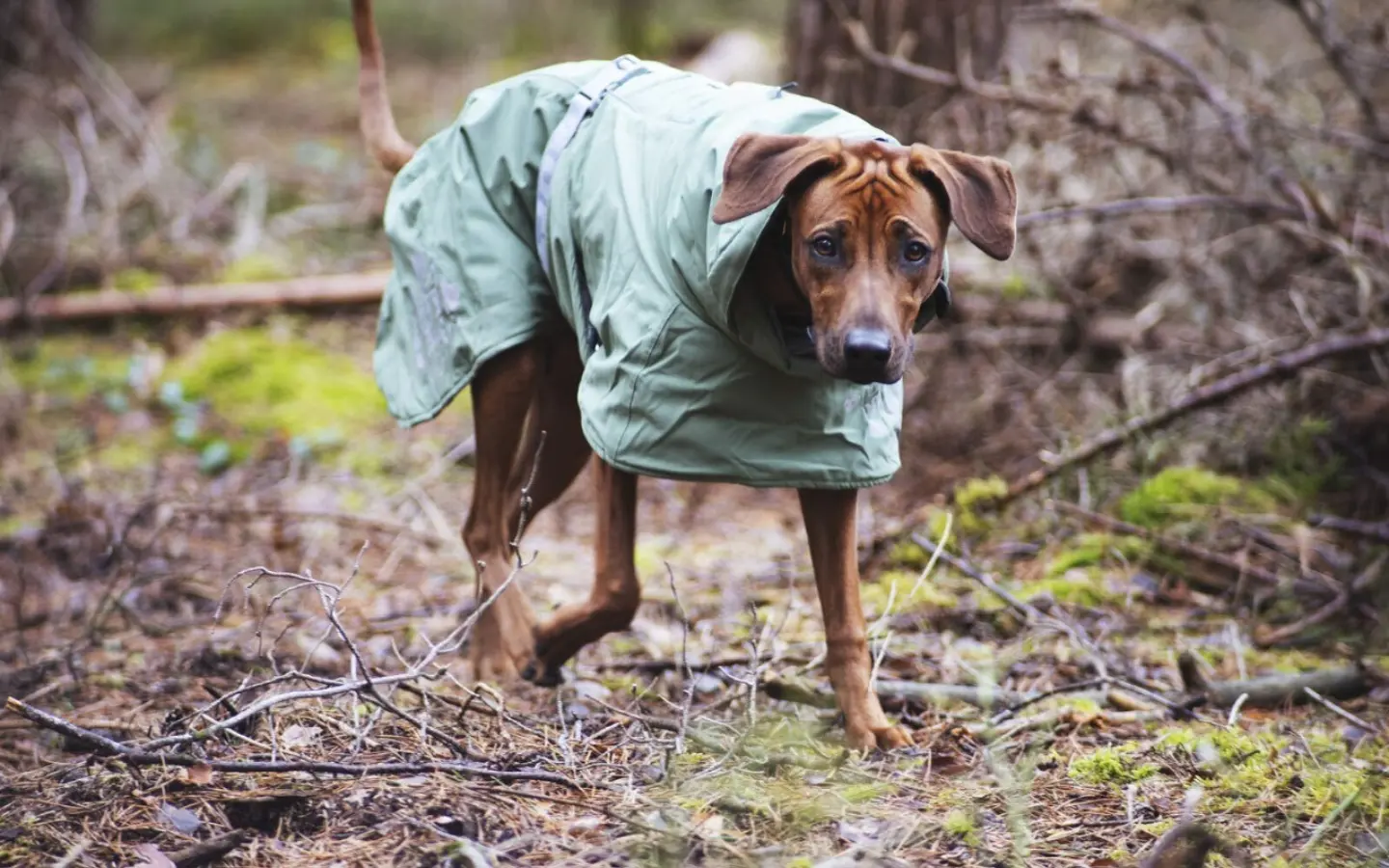
Tips for Adjusting a Raincoat to Enhance Your Dog’s Comfort
Ensuring your dog stays comfortable in a raincoat involves more than just slipping it on—it requires careful adjustments to accommodate their unique shape, movement, and preferences. A poorly fitted or restrictive raincoat can cause discomfort, overheating, or even stress during walks or outdoor adventures. Here’s how to fine-tune the fit and features of a raincoat to keep your dog happy and dry.
Strap and Fastener Customization: Achieving a Secure, Non-Restrictive Fit
Raincoats often rely on straps, buckles, or Velcro to stay in place, but if these aren’t adjusted correctly, they can rub against the dog’s skin, restrict movement, or slip off during activity. Loose straps may also allow the coat to flap in the wind, causing irritation or tangling in underbrush.
To optimize the fit, start by loosening all straps before putting the coat on the dog. Once it’s in place, tighten the belly strap first, ensuring it’s snug enough to prevent the coat from shifting but loose enough to fit two fingers underneath. Next, adjust the chest or neck straps to avoid chafing under the armpits or around the throat. If the coat has leg straps, position them just above the hocks (not too tight) to keep the coat from riding up during movement. Regularly check the straps during walks to ensure they haven’t loosened or caused redness.
Sizing and Length Adjustments: Balancing Coverage and Mobility
A raincoat that’s too long may drag on the ground, picking up dirt or causing the dog to trip, while one that’s too short could leave the belly or hindquarters exposed to rain. Dogs with long torsos, thick chests, or fluffy tails may require special attention to ensure the coat covers critical areas without hindering motion.
To address sizing issues, measure your dog’s back length (from the base of the neck to the tail), chest girth, and neck circumference before selecting a coat. If the coat is slightly too long, fold the hem inward or trim it (if the fabric allows) to avoid tripping hazards. For coats that are too short in the chest or belly, look for models with adjustable belly flaps or extended front panels. If the tail opening is too tight, gently stretch the fabric or opt for a coat with a wider tail hole to prevent rubbing.
Material and Layering: Managing Temperature and Breathability
Raincoats are designed to repel water, but some materials may trap heat, leading to overheating, especially in warmer weather or during exertion. Dogs with thick fur or those prone to panting may struggle to stay cool under a non-breathable coat.
To improve comfort, choose a raincoat made from lightweight, breathable fabric (e.g., ripstop nylon with mesh lining) that allows air circulation. If the coat lacks ventilation, layer it over a moisture-wicking base shirt to absorb sweat and keep the skin dry. In cooler weather, add a fleece or thermal liner under the raincoat for insulation without bulk. Avoid coats with plastic linings or heavy padding, as these can restrict movement and trap moisture. If the dog shows signs of overheating (e.g., excessive panting, lethargy), remove the coat temporarily and offer water.
Hood and Collar Adjustments: Preventing Vision or Breathing Obstruction
Hoods on raincoats are meant to protect the dog’s head and ears from rain, but if they’re too tight or flop forward, they can block vision, cause discomfort, or restrict breathing. Some dogs may also dislike the sensation of a hood and try to shake it off.
To resolve hood issues, first check that it fits loosely around the neck without pressing on the throat. If the hood has a drawstring, tighten it just enough to stay in place but not enough to constrict movement. For dogs who resist hoods, consider a coat with a detachable hood or a style that leaves the head uncovered. If the coat has a high collar that rubs the neck, fold it down or look for models with a lower, softer collar design. Always monitor the dog’s behavior when wearing a hooded coat to ensure they’re not pawing at it or showing signs of distress.
Activity-Specific Tweaks: Adapting the Coat for Different Environments
Dogs engage in various activities during walks—running, jumping, sniffing, or digging—and a raincoat must adapt to these movements without causing discomfort. For example, a coat that’s too loose may flap during sprints, while one that’s too tight could restrict digging or sniffing.
To accommodate activity, adjust the coat’s fit based on the dog’s behavior. For active dogs, tighten straps slightly to prevent shifting but ensure the coat doesn’t restrict leg movement. If the dog likes to dig, avoid coats with long belly flaps that could catch dirt or get snagged. For dogs who sniff low to the ground, choose a coat with a flexible front panel that bends easily without pulling on the neck. During play, periodically check the coat for debris (e.g., twigs, leaves) caught in straps or fabric, and remove it promptly to prevent irritation.
Post-Adjustment Inspection: Checking for Chafing or Discomfort
Even after careful adjustments, a raincoat may cause discomfort if it rubs against the dog’s skin, especially in areas with thin fur (e.g., armpits, groin, or elbows). Redness, hair loss, or excessive licking are signs the coat needs further tweaking.
To prevent irritation, inspect the dog’s skin after their first few wears. Look for red marks, raw patches, or matted fur under straps or seams. If chafing occurs, loosen straps, add a soft liner (e.g., a cotton bandana) under problem areas, or switch to a coat with wider, padded straps. For dogs with sensitive skin, avoid coats with rough seams or tags, and opt for seamless or tagless designs. If the dog continues to show discomfort, consult a veterinarian to rule out allergies or skin conditions.
Environmental Considerations: Adapting to Weather and Terrain
Raincoats must also adapt to changing weather and terrain. For example, a coat that’s perfect for light rain may not hold up in heavy downpours, while one designed for city walks may not be durable enough for hiking in rough terrain.
To stay prepared, adjust the coat’s features based on conditions. In heavy rain, ensure the coat has taped seams and a waterproof zipper to prevent leaks. For windy conditions, tighten all straps and choose a coat with a high collar or hood to protect the neck and ears. If hiking in muddy or brushy areas, avoid coats with long, flowing fabrics that could snag, and opt for a shorter, streamlined style. After use, rinse the coat with fresh water to remove mud or salt, and hang it to dry thoroughly to prevent mold or mildew.
Conclusion: Fine-Tuning for Long-Term Comfort
Adjusting a raincoat to suit your dog’s needs takes patience and observation, but the effort ensures they stay dry, happy, and stress-free during wet weather. By focusing on fit, material, and activity-specific tweaks, owners can transform a basic raincoat into a tailored solution that prioritizes comfort and functionality. With these adjustments, rainy walks can become a cozy bonding experience for both pet and owner.