

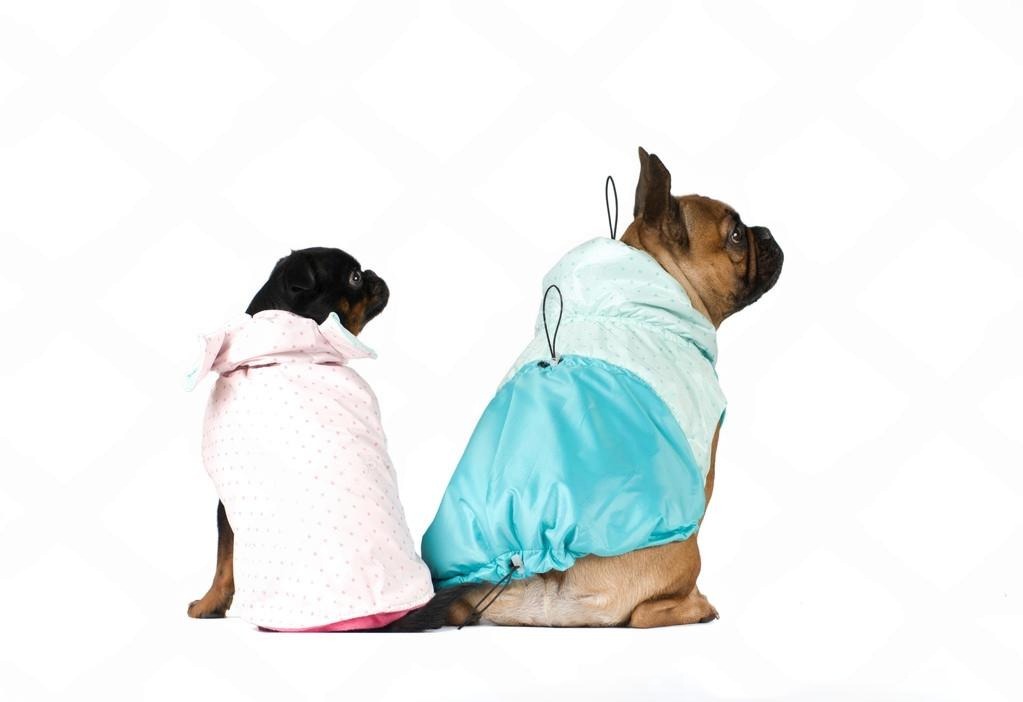
Effective Obedience Training Techniques for Dogs Wearing Raincoats: Building Focus and Reliability
Training a dog to follow commands while wearing a raincoat requires addressing potential distractions caused by the garment’s fabric, weight, or restricted movement. By integrating structured exercises, positive reinforcement, and gradual exposure, you can teach your dog to respond reliably to cues, even in wet or windy conditions. Here’s how to adapt obedience training for raincoat-wearing dogs.
Start With Short, Low-Distraction Sessions to Acclimate to the Raincoat
Begin training in a familiar, quiet space where your dog feels comfortable. Let them wear the raincoat for 5–10 minutes before starting exercises to reduce novelty-induced stress. Use high-value treats or toys to create positive associations with the garment, such as feeding them meals while they wear it or playing a favorite game.
Focus on basic commands like “sit,” “stay,” or “come” during these initial sessions. Keep cues clear and consistent, using the same tone and hand signals as always. If your dog hesitates or ignores commands, avoid repeating the cue aggressively—instead, pause, re-engage them with a treat, and try again. The goal is to build confidence, not frustration.
Adjust Command Delivery to Compensate for Restricted Movement
Raincoats may limit shoulder rotation or leg extension, affecting how your dog performs certain actions. For example, a “sit” command might require more effort if the fabric bunches near their hips. Observe how your dog moves in the raincoat and modify your expectations accordingly.
If they struggle to lie down, try luring them into position with a treat held close to their nose, guiding their head downward and backward gently. For “stay,” shorten the duration initially (5–10 seconds) and gradually increase it as they adapt. Reward even partial compliance, like lowering their body halfway into a down, to encourage progress.
Use High-Value Rewards to Counterbalance Raincoat Discomfort
Dogs may associate raincoats with discomfort or restriction, making them less motivated to obey commands. Counter this by using rewards they can’t resist, such as small pieces of cooked chicken, cheese, or a squeaky toy. Deliver rewards promptly to reinforce the connection between the command and the positive outcome.
For example, if your dog comes when called while wearing the raincoat, praise them enthusiastically and offer a treat immediately. If they hesitate, avoid scolding—instead, walk a few steps toward them, encourage them gently, and reward any movement in your direction. Consistency in rewarding desired behaviors will override their initial reluctance.
Incorporate Movement-Based Commands to Improve Coordination
Raincoats can alter a dog’s gait or balance, making static commands like “sit” or “stay” harder to master. Integrate dynamic cues like “heel,” “turn,” or “jump” (over a low obstacle) to help them adjust to the garment’s feel during motion. Start at a slow pace and gradually increase speed as they adapt.
Use a leash to guide them initially, ensuring they stay aligned with your side during “heel.” If they trip or stumble, pause to check the raincoat’s fit—it may be too tight around the legs or armpits. Adjust as needed and resume training once they’re comfortable.
Practice “Leave It” and “Drop It” for Safety in Wet Environments
Rainy weather often introduces new distractions, like puddles, debris, or slippery surfaces. Teach your dog to ignore or release items on command to prevent them from ingesting harmful objects or slipping. Start indoors by placing a low-value item (e.g., a toy they’re indifferent to) on the floor.
Say “leave it” and cover the item with your hand if they approach. When they back away, reward them with a treat. Gradually progress to outdoor settings, using higher-value distractions (e.g., a stick or leaf) once they’re reliable indoors. For “drop it,” trade them a treat for an item they’re holding, praising them for releasing it.
Train “Wait” at Doors and Gates to Prevent Rushing in Rainy Conditions
Dogs often become eager to escape the rain, leading to pushing or bolting through doors. Teach a “wait” command to instill patience. Stand in front of a closed door with your dog on a leash. Say “wait” and hold the leash short (but not tight). If they pull or lunge, gently pull back and say “no.”
Reward them for staying still, even for 1–2 seconds initially. Gradually increase the duration and open the door slightly while they wait. If they rush forward, close the door and repeat the process. Over time, they’ll learn to associate “wait” with calmness, even when eager to go outside.
Use Environmental Distractions to Strengthen Command Reliability
Once your dog follows commands reliably indoors, train in progressively noisier or more stimulating environments. Start with a covered porch during light rain, then move to a quiet street with occasional pedestrians. The sound of raindrops, wind, or umbrellas can mimic real-world distractions your dog will face.
Keep sessions short (10–15 minutes) to prevent fatigue or frustration. If your dog struggles, return to a quieter setting and rebuild their confidence before trying again. The goal is to generalize their obedience skills across all contexts, raincoat or not.
Monitor for Signs of Overheating or Physical Strain
Raincoats can trap heat, especially if made from non-breathable fabric. Watch for excessive panting, lethargy, or reluctance to move, which may indicate overheating. Take breaks in shaded areas and offer water frequently during training sessions.
If your dog’s raincoat seems to restrict breathing or movement, check the fit around the neck, chest, and legs. Loosen straps or trim excess fabric (if safe) to improve airflow. Never force a dog to train if they show signs of discomfort—pause and reassess their needs.
Pair Raincoat Training With Fun Activities to Build Positive Associations
Dogs are more likely to cooperate if training feels like play. Incorporate games like fetch, hide-and-seek, or agility drills (e.g., weaving through cones) into raincoat sessions. The excitement of the activity will distract them from the garment’s presence and reinforce that wearing it leads to enjoyable outcomes.
For example, play fetch in a grassy area after a light rain. The combination of movement, treats, and play will help your dog view the raincoat as a normal part of their routine. Rotate activities to keep training engaging and prevent boredom.
Gradually Increase Command Complexity as Confidence Grows
Once your dog masters basic commands in the raincoat, challenge them with multi-step instructions. For example, ask them to “sit,” then “stay,” while you walk 10 feet away and return. Or combine “heel” with “turn” during a walk. These exercises improve their ability to focus despite distractions.
Break complex commands into smaller parts and reward each successful step. If they struggle with a sequence, revisit individual components (e.g., practice “stay” alone before adding movement). Patience and incremental progress are key to long-term success.