

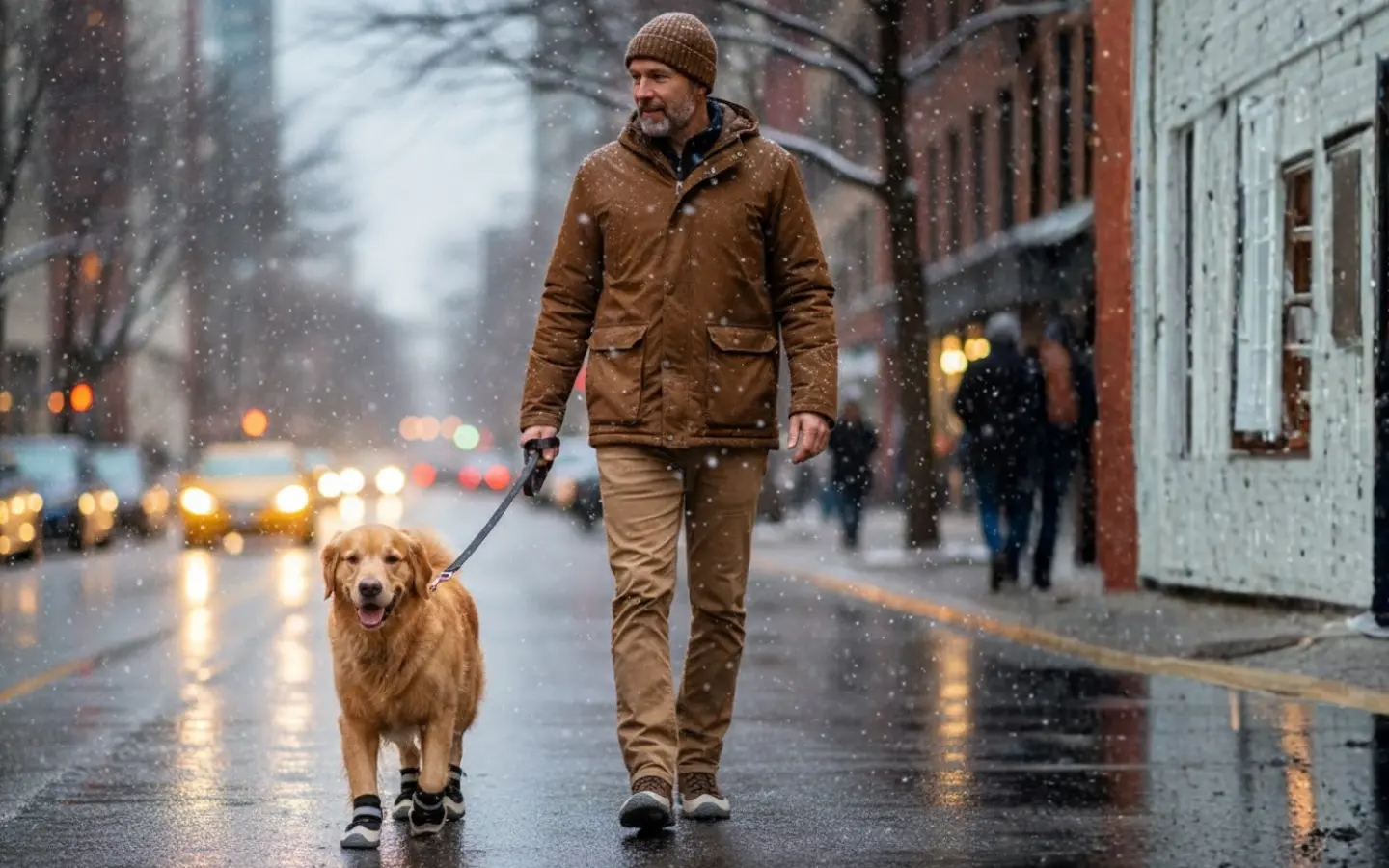
Choosing the Right Outdoor Clothing for Dogs in Different Weather Conditions
Dogs, like humans, require appropriate clothing to stay comfortable and safe during outdoor activities. Weather plays a significant role in determining what type of gear your pet needs, from raincoats to thermal layers. Understanding how to dress your dog for various conditions ensures they remain protected without overheating or restricting movement.
Cold Weather: Layering for Warmth and Mobility
In frigid temperatures, dogs lose body heat rapidly, especially those with short coats or low body fat. Layering is key to maintaining warmth without sacrificing flexibility. Start with a moisture-wicking base layer to keep sweat away from the skin, followed by an insulating middle layer like fleece or wool. Top it off with a waterproof outer shell to shield against wind and snow.
Small Breeds and Senior Dogs
Small breeds (e.g., Chihuahuas, Dachshunds) and older dogs struggle more in cold climates due to their size and slower metabolism. Opt for full-body suits that cover the neck, belly, and legs. Avoid tight fits around the chest to prevent restricted breathing.
Active Breeds
Breeds like Huskies or Malamutes may not need heavy layers but still benefit from lightweight, windproof jackets during prolonged exposure. Focus on breathable materials that allow heat to escape during high-energy activities like running or hiking.
Practical Tips
- Check for drafts around the neck, belly, and tail.
- Remove wet clothing immediately to prevent chills.
- Use booties to protect paws from ice and salt.
Rainy Weather: Waterproof Protection Without Overheating
Rainy conditions demand waterproof gear that keeps your dog dry while allowing airflow. Avoid heavy, non-breathable materials like rubber, which trap moisture and cause discomfort. Look for lightweight, adjustable coats with sealed seams to prevent leaks.
Short-Haired Breeds
Dogs with minimal fur (e.g., Greyhounds, Boxers) need full-coverage raincoats that extend to the underbelly. Ensure the collar fits snugly to stop water from seeping in.
Long-Haired Breeds
Breeds like Golden Retrievers or Collies may only need a waterproof vest to protect their core while leaving their legs and tail free. This prevents matting and overheating.
Practical Tips
- Dry your dog thoroughly after walks to avoid skin irritation.
- Choose coats with reflective strips for visibility in low light.
- Avoid hoods that obscure vision or restrict head movement.
Hot Weather: Lightweight and Breathable Solutions
High temperatures and humidity pose risks like heatstroke and dehydration. Dogs rely on panting to cool down, so clothing should enhance airflow rather than block it. Opt for moisture-wicking, UV-protective fabrics that shield against sunburn without trapping heat.
Light-Coated Breeds
Breeds with thin or no fur (e.g., Xoloitzcuintli, Chinese Crested) need lightweight shirts to protect their skin from UV rays. Choose loose-fitting styles in light colors to reflect sunlight.
Brachycephalic Breeds
Short-nosed dogs (e.g., Pugs, Bulldogs) overheat easily due to their compromised breathing. Avoid covering their faces entirely; instead, use cooling vests that activate when wet or chilled.
Practical Tips
- Walk during cooler hours (early morning or late evening).
- Use cooling bandsanas or vests soaked in cold water.
- Provide shade and fresh water breaks frequently.
Windy Conditions: Sturdy and Secure Fit
Strong winds can make outdoor walks uncomfortable, especially for small or lightweight dogs. Choose clothing that stays in place without flapping excessively. Look for adjustable straps and secure closures to prevent the gear from shifting during movement.
Small Breeds
Dogs under 15 pounds may benefit from windproof vests that cover their torso without restricting leg motion. Avoid loose-fitting coats that catch the wind like a sail.
Large Breeds
Taller dogs (e.g., Great Danes, Greyhounds) need longer coats that shield their underbelly from gusts. Ensure the hem doesn’t drag on the ground to prevent tripping.
Practical Tips
- Pair clothing with a harness instead of a collar to avoid choking.
- Check for loose threads or dangling parts that could get caught.
- Reduce walk duration in extreme winds to minimize stress.
By tailoring your dog’s outdoor clothing to the weather, you ensure they stay comfortable, safe, and active year-round. Always monitor their behavior for signs of discomfort, such as shivering, panting, or reluctance to move, and adjust their gear accordingly.