

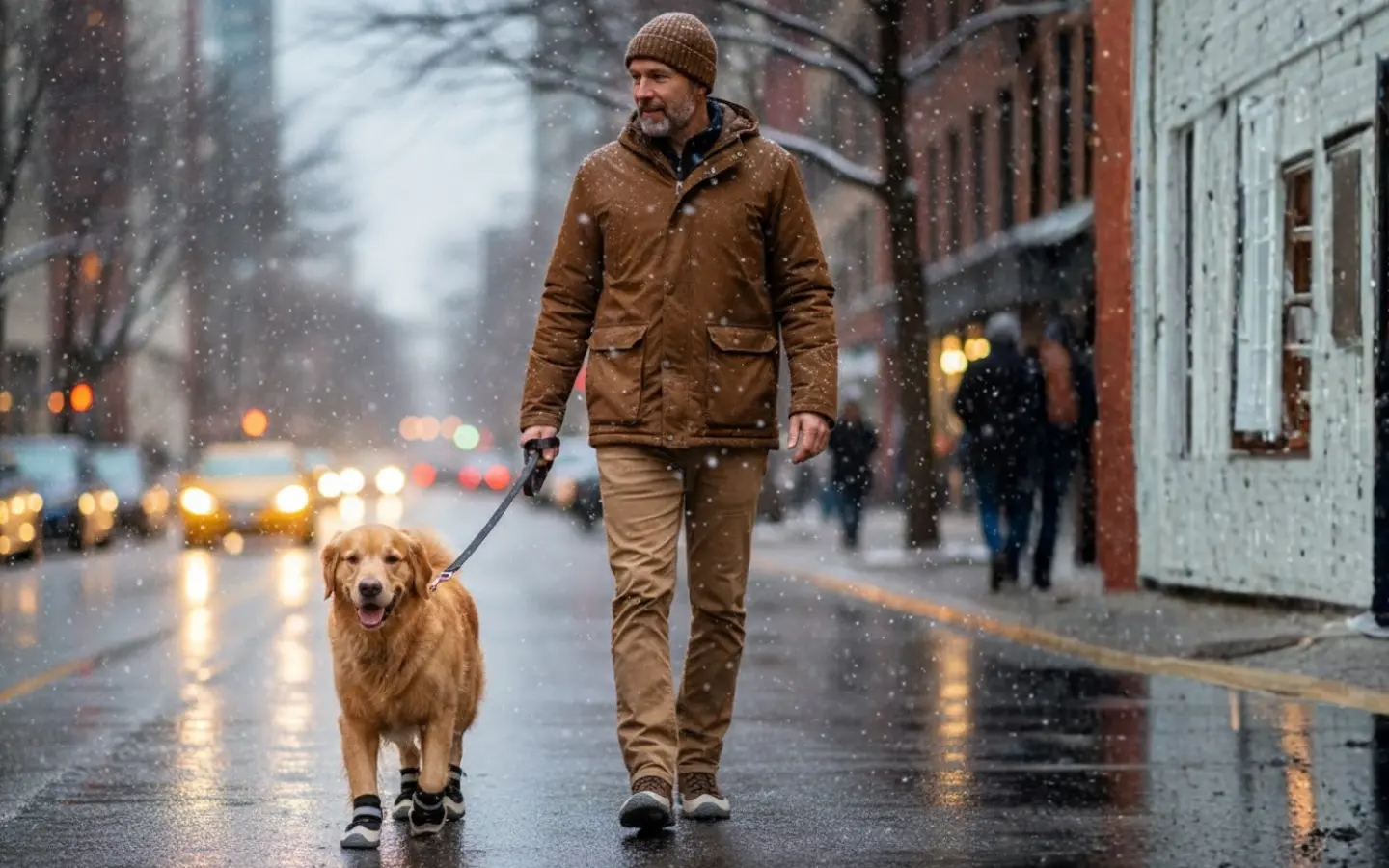
Proper Wear Duration and Adjustment of Outdoor Dog Collars
Outdoor collars are essential for safety and identification, but improper use can lead to discomfort or health issues. Understanding how long to leave a collar on and how to adjust it correctly ensures your dog stays comfortable and secure during walks, hikes, or playtime.
Determining Safe Wear Durations for Outdoor Collars
The length of time a dog should wear an outdoor collar depends on their activity level, environment, and collar type.
Daily Outdoor Activities
For short walks or quick potty breaks, a collar can remain on throughout the outing. However, avoid leaving it on if the dog will be unsupervised in a yard, as they might get caught on fences, branches, or other objects. If the collar features tags or a leash attachment, ensure it’s secure but not overly tight to prevent snagging risks.
Extended Outdoor Adventures
During hikes, camping trips, or day-long play sessions, collars should be checked periodically for fit and security. Active dogs may sweat or rub against surfaces, causing the collar to loosen or shift. Every 2–3 hours, pause to verify the collar hasn’t moved toward the throat or become tangled in fur. If the dog swims, remove the collar afterward to prevent skin irritation from prolonged moisture exposure.
Overnight or Unattended Outdoor Stays
Never leave a collar on a dog that will spend the night outdoors or be unattended for long periods. Collars can easily catch on debris, leading to strangulation or injury. For overnight stays, use a secure, enclosed space without hazards, and remove the collar entirely. If identification is needed, consider a microchip or a breakaway collar designed to release under pressure.
Step-by-Step Guide to Adjusting Outdoor Collars
A well-adjusted collar balances security and comfort. Follow these steps to ensure the perfect fit:
Measuring Your Dog’s Neck
Use a flexible measuring tape to determine the circumference of your dog’s neck where the collar will sit. Add 1–2 inches for small breeds and 2–3 inches for larger breeds to allow room for movement without slipping. If you don’t have a tape measure, use a string and compare it to a ruler.
Choosing the Right Collar Type
Different collars require unique adjustments:
- Buckle Collars: These feature a traditional buckle and holes for size customization. Select the hole that allows two fingers to slide between the collar and the dog’s neck.
- Adjustable Snap Collars: These use plastic snaps for quick fastening. Ensure the snap is secure and the collar isn’t stretched too thin, which could cause breakage.
- Martingale Collars: Designed to tighten slightly when pulled, these prevent dogs from slipping out. Adjust the collar so it fits loosely when relaxed but tightens just enough to stay on the neck without choking.
Testing the Fit
After adjusting the collar, perform these checks:
- Comfort Test: The dog should not paw at the collar or try to remove it. If they do, the collar may be too tight or irritating.
- Movement Test: Watch the dog walk, sit, and shake its head. The collar shouldn’t shift excessively or ride up toward the ears.
- Breathing Test: Ensure the collar isn’t pressing against the windpipe. The dog should breathe normally without strained sounds.
Signs Your Dog’s Collar Needs Immediate Adjustment
Even with careful initial fitting, collars can become uncomfortable over time. Watch for these warning signs:
Redness or Hair Loss Around the Neck
If the skin under the collar appears red, irritated, or bald patches develop, the collar is likely too tight or made of a rough material. Switch to a softer, wider collar or adjust the current one to a looser setting.
Difficulty Eating or Drinking
A collar that’s too tight can restrict jaw movement, making it hard for the dog to chew or lap water. If you notice the dog struggling during meals, loosen the collar immediately.
Behavioral Changes
Dogs may become agitated, lethargic, or refuse to move if their collar is uncomfortable. They might also rub their neck against furniture or the ground to relieve pressure. Address these signs promptly to prevent further distress.
Maintaining Collar Safety During Outdoor Use
Proper care extends the life of the collar and ensures ongoing safety.
Regular Inspections
Check the collar weekly for wear and tear, such as frayed edges, cracked buckles, or stretched holes. Replace damaged collars immediately to avoid breakage during walks.
Cleaning the Collar
Dirt and bacteria can accumulate on collars, causing skin infections. Clean fabric collars with mild soap and water, then air-dry completely. For waterproof or synthetic collars, wipe them down with a damp cloth. Avoid harsh chemicals that could irritate the dog’s skin.
Rotating Collars
If your dog wears a collar daily, consider rotating between two to allow each to air out and reduce odor buildup. This also gives you a backup if one needs cleaning or repair.
By following these guidelines, you can ensure your dog’s outdoor collar remains safe, comfortable, and functional. Proper wear duration and adjustments protect against injuries while keeping your pet secure during adventures.