

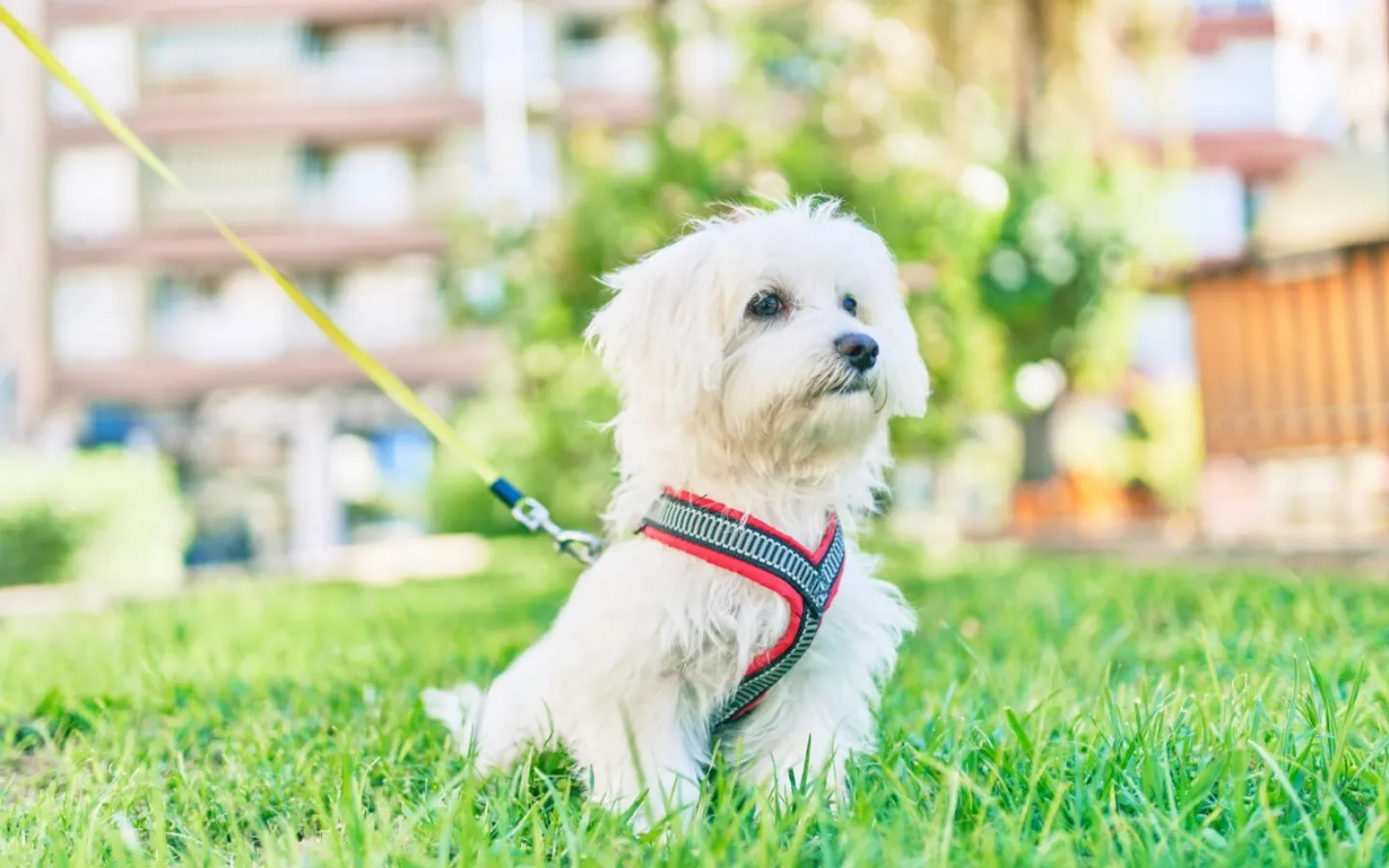
Optimal Timing for Wearing Dog Sun-Protective Clothing Outdoors
Sun-protective clothing for dogs helps shield sensitive skin from harmful UV rays, but knowing when and how long to use it is crucial. Overexposure or prolonged wear can lead to discomfort, overheating, or reduced effectiveness. Here’s how to manage timing for safe and comfortable outdoor adventures.
1. Understanding UV Exposure Levels and Risk Factors
The intensity of UV rays varies based on time of day, season, and location. Adjusting your dog’s sun-protective clothing use accordingly minimizes risks.
Peak UV Hours:
- UV radiation is strongest between 10 a.m. and 4 p.m., especially in summer. During these hours, dogs with thin or light-colored coats are most vulnerable to sunburn.
- If your dog spends time outside during peak hours, keep their sun-protective clothing on for the duration of exposure.
Seasonal and Geographic Variations:
- UV levels are higher in summer and at higher altitudes. Dogs living in or traveling to mountainous regions or tropical climates need longer protection.
- In winter or cloudy weather, UV rays are weaker, but they can still penetrate clouds. Brief outdoor sessions may not require full coverage, but monitor your dog’s skin for signs of irritation.
Dog-Specific Risk Factors:
- Breeds with short hair, white fur, or pink skin (e.g., Dalmatians, Boxers) are prone to sunburn. These dogs benefit from longer wear of sun-protective gear.
- Dogs with thick coats may not need clothing in mild weather, but areas like the belly, ears, or nose remain vulnerable. Focus protection on these zones.
2. Balancing Sun Protection with Thermal Comfort
Sun-protective clothing traps heat, so timing wear to avoid overheating is essential. Monitor your dog’s behavior and environment to strike the right balance.
Temperature and Humidity Considerations:
- On hot days (above 80°F/27°C), limit sun-protective clothing use to 30–60 minutes at a time. Prolonged wear can cause heat stress, especially in breeds like Bulldogs or Pugs.
- In humid climates, choose lightweight, breathable fabrics that wick moisture. Remove clothing if your dog pants excessively or seeks shade.
Activity Level Adjustments:
- Active dogs (e.g., those hiking, running, or playing fetch) generate more body heat. Let them wear sun-protective gear only during rest periods or in shaded areas.
- For low-energy activities like leisurely walks, clothing can stay on longer, but always provide access to water and shade.
Signs of Overheating:
- Watch for heavy panting, drooling, lethargy, or unsteady gait. If your dog shows these signs, remove the clothing immediately and move to a cooler spot.
- Offer small sips of water and wet their paw pads or belly with cool (not cold) water to lower body temperature.
3. Scheduling Breaks and Alternating Protection Methods
Combining sun-protective clothing with other strategies reduces reliance on gear and keeps your dog comfortable.
Structured Break Intervals:
- For extended outdoor sessions, schedule 15–20-minute breaks every hour. During breaks, remove the clothing and let your dog cool down in a shaded, ventilated area.
- Use breaks to reapply pet-safe sunscreen to exposed areas like the nose, ears, or belly if clothing doesn’t cover them.
Combining Clothing with Shade:
- Pair sun-protective gear with natural shade (e.g., trees) or portable canopies. This reduces direct sun exposure without overheating your dog.
- In open areas without shade, limit clothing use to 45–60 minutes, followed by a move to a cooler location.
Adjusting for Water Activities:
- If your dog swims or plays in water, remove wet clothing after use. Damp fabric loses its protective properties and can irritate the skin.
- Reapply sunscreen to wet areas after drying, or use a quick-drying sun-protective shirt designed for water play.
4. Monitoring Skin Health and Adjusting Wear Time
Regular checks help identify when to extend or shorten clothing use based on your dog’s skin condition.
Checking for Sunburn or Irritation:
- After removing clothing, inspect your dog’s skin for redness, peeling, or hot spots. These indicate overexposure or inadequate protection.
- If sunburn occurs, reduce clothing wear time and increase shade breaks. Consult a vet if irritation persists.
Gradual Acclimation for New Users:
- Dogs unfamiliar with sun-protective clothing may resist wearing it for long periods. Start with 10–15-minute sessions and gradually increase duration.
- Reward calm behavior with treats to create a positive association.
Seasonal Adjustments:
- In spring or fall, when UV levels are moderate, your dog may only need clothing during midday hours. In summer, extend wear to morning and late afternoon.
- As seasons change, reassess your dog’s needs weekly to avoid over- or under-protecting their skin.
By aligning clothing use with UV intensity, thermal comfort, and your dog’s activity level, you ensure effective sun protection without compromising their well-being. Regular monitoring and adjustments keep outdoor adventures safe and enjoyable.