

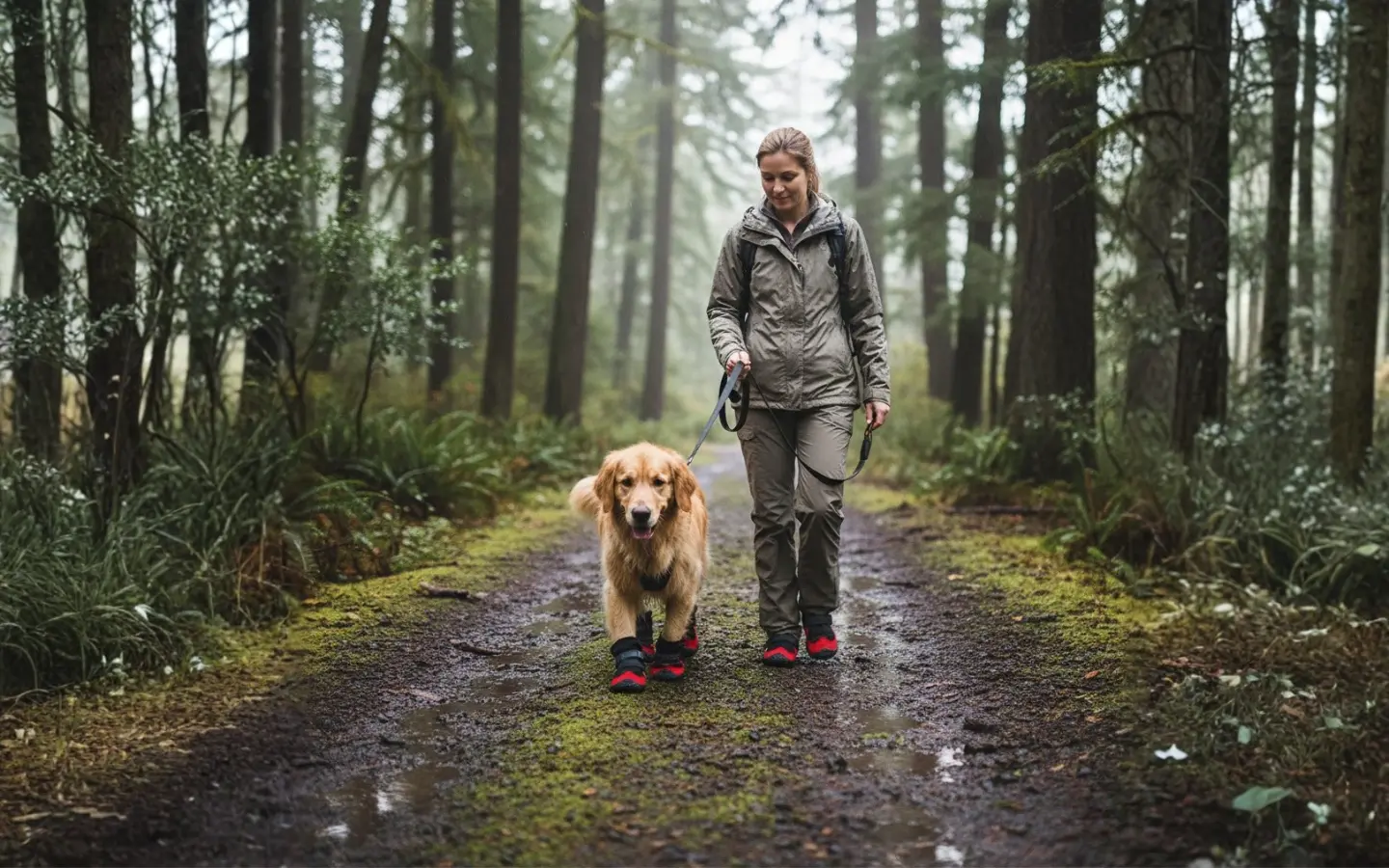
Outdoor Dog Raincoats: Style Options and Activity-Friendly Features
For dogs exploring wet weather conditions, the right raincoat balances protection with practicality. Outdoor adventures demand gear that stays secure during movement, resists water absorption, and accommodates varying activity levels. Understanding design variations and functional details helps pet owners choose rainwear tailored to their dog’s lifestyle.
Full-Body Coverage vs. Partial Designs
Full-body raincoats provide comprehensive protection, covering the torso, back, and often the belly. These styles are ideal for long-haired breeds or dogs prone to getting soaked during extended walks. Adjustable straps around the neck, chest, and abdomen ensure a snug fit, preventing water from seeping through gaps. Some models include extended leg sleeves to shield paws from muddy trails, though these may restrict movement for energetic breeds.
Partial raincoats, such as poncho-style or cape designs, focus on the upper body while leaving the legs and underbelly exposed. These lightweight options suit shorter outings or dogs with thick coats that naturally repel water. The open design allows for greater airflow, reducing overheating in mild rain. However, they offer less protection in heavy downpours or when dogs roll in wet grass.
Reflective strips or bright colors are common in both styles, enhancing visibility during low-light conditions. This feature is crucial for hikers or joggers sharing trails with vehicles or cyclists.
Material Choices for Durability and Comfort
Waterproof fabrics like polyester or nylon dominate raincoat construction, offering resistance to moisture while remaining lightweight. Breathable membranes, such as polyurethane coatings, prevent condensation buildup inside the coat, keeping dogs dry and comfortable. Some materials incorporate soft fleece linings for added warmth in colder climates, though these may increase bulk.
Flexible joints in the fabric, such as articulated panels around the shoulders or hips, allow natural movement. This is particularly important for agile breeds like Border Collies or Huskies, which require unrestricted range during play. Seams sealed with waterproof tape or ultrasonic welding prevent leaks at stress points, ensuring longevity in rugged environments.
For eco-conscious owners, recycled materials or plant-based coatings are emerging alternatives. These options maintain performance while reducing environmental impact. However, they may require more frequent replacement compared to synthetic fabrics.
Activity-Specific Adaptations
Raincoats designed for high-energy activities prioritize mobility and ventilation. Harness-compatible openings let owners attach leashes without removing the coat, a critical feature for hikers or climbers. Zipper or Velcro closures along the back simplify dressing, especially for wriggly dogs. Some models include removable hoods to protect ears and necks without obstructing peripheral vision.
For water-based activities like swimming or dock diving, quick-dry fabrics and minimalist designs are preferable. These raincoats shed water rapidly, reducing drag and preventing chilling after exits. Lightweight materials like ripstop nylon resist tearing if dogs brush against rocks or branches.
Urban raincoats often incorporate storage pockets for treats or waste bags, catering to city dwellers. Machine-washable fabrics simplify maintenance after muddy walks, while foldable designs fit easily into backpacks.
Adjustability and Fit for Diverse Breeds
Proper fit ensures a raincoat stays in place during vigorous movement. Adjustable features, such as elasticated cuffs, drawstring hems, and Velcro fastenings, accommodate dogs of varying sizes and shapes. Short-legged breeds like Dachshunds benefit from tailored cuts that avoid dragging on the ground, while deep-chested dogs require wider chest straps.
Some raincoats include growth allowances, such as expandable panels or adjustable lengths, making them suitable for puppies. For senior dogs or those with arthritis, soft, non-restrictive collars reduce irritation around the neck.
By prioritizing coverage, material quality, and activity-specific features, pet owners can select raincoats that enhance outdoor experiences without compromising comfort. Thoughtful design ensures dogs stay dry, visible, and mobile across diverse environments and weather conditions.