

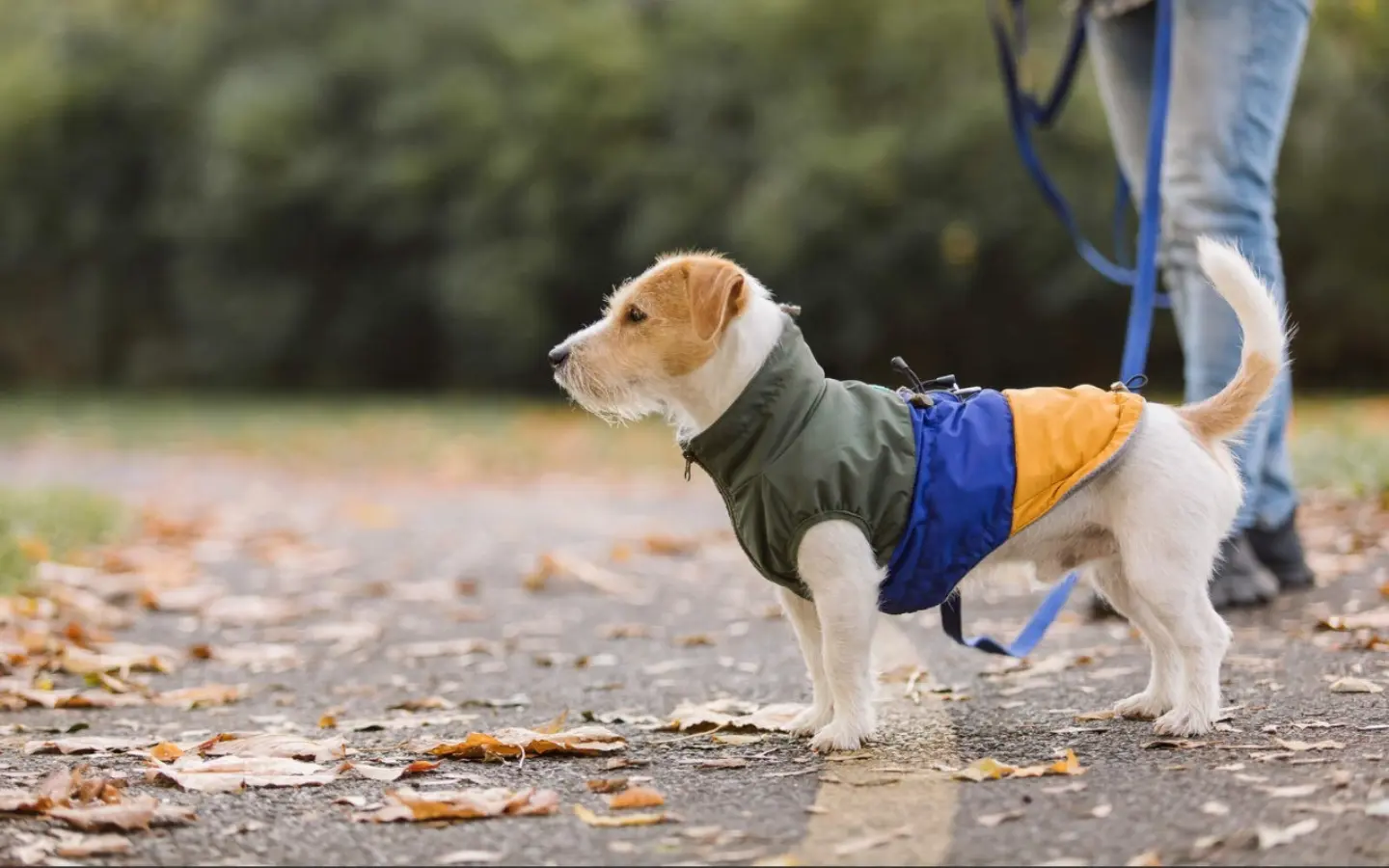
When taking a dog in a car on a rainy day, ensuring its stability and comfort requires taking into account safety protection, activity restrictions and physiological needs. The following provides specific suggestions from three aspects: fixation measures, comfort optimization, and detailed design:
First, fixed measures
Seat belt fit
Choose a dedicated safety belt that matches the pet’s chest strap or safety suit, and avoid directly fastening it to the collar to prevent neck injuries during emergency braking.
Make sure the length of the seat belt is adjustable, which can not only limit the range of movement but also avoid discomfort caused by excessive restraint.
Cage fixation
Small dogs can use a car pet cage. The cage can be fixed to the rear seats with a safety belt or a fixing device to prevent sliding or overturning.
Water-absorbing pads are laid inside the cage to deal with the small amount of rainwater that may seep into the raincoat.
The raincoat is separated from the towing rope
Give priority to choosing raincoats with no metal buckles or drawstring holes on the back to avoid interference with safety belts or chest straps.
If the raincoat needs to be used in conjunction with a drawstring, it is recommended to choose a style with the drawstring hole located further back to reduce interference with the chest strap.
Second, comfort optimization
The material and breathability of raincoats
Choose lightweight and soft waterproof fabrics (such as nylon or polyester), and avoid heavy materials that increase the sense of restraint.
The raincoat is designed with ventilation holes on the back or armpits to reduce the feeling of stuffiness and heat, making it especially suitable for long-distance travel.
Reserved activity space
The size of the raincoat should be slightly larger than the dog’s body to ensure that it can freely adjust its posture (such as lying prone or turning around).
Avoid choosing overly tight one-piece raincoats. Give priority to two-piece or adjustable ones.
Temperature regulation
On rainy days, the humidity inside the car is relatively high. You can adjust the temperature through the air conditioner (it is recommended to use 22-25℃) to prevent the dog from getting irritable due to excessive heat.
Long-haired dogs can have their fur combed in advance to reduce the adhesion between raincoats and wet fur.
Third, detailed design
Anti-slip and anti-stain
The raincoat is designed with anti-slip rubber pads at the feet to prevent the dog from sliding on the seat.
The bottom of the raincoat has been lengthened to cover the legs, reducing the dripping of rainwater onto the seat.
Vision and Interaction
The raincoat brim is designed with a transparent window to ensure that the dog can observe its surroundings and relieve anxiety.
When taking a vehicle, you can use soothing toys or snacks to distract yourself and reduce restlessness.
Emergency response
Bring absorbent towels and spare raincoats in case the raincoats are damaged or the dog gets them wet.
Regularly check the fixation of the raincoat to prevent it from shifting due to the dog twisting.