

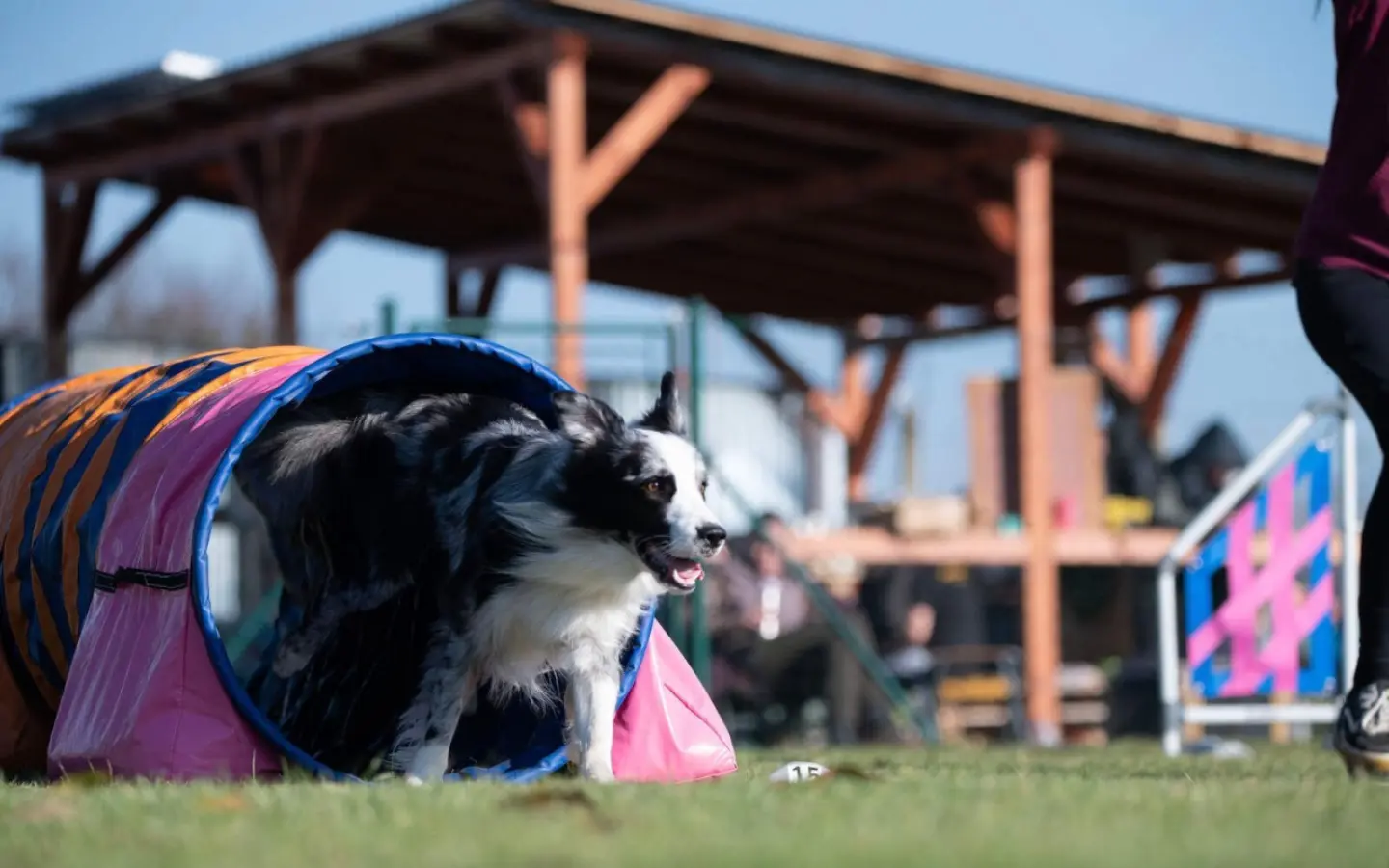
Rules and Considerations for Dogs Participating in Competitive Events While Wearing Raincoats
When dogs wear raincoats during competitive activities—such as agility trials, obedience tests, or rally courses—organizers and handlers must balance safety, fairness, and practicality. While raincoats can protect dogs from wet weather, they also introduce variables that may affect performance or adherence to event guidelines. Here’s how to navigate these considerations while ensuring a smooth experience for all participants.
Event-Specific Regulations: Adhering to Official Guidelines
Most competitive dog events have established rules regarding attire and equipment. Before entering a competition, handlers should review the event’s rulebook or contact organizers to confirm whether raincoats are permitted. Some competitions may prohibit raincoats if they obscure the dog’s movement, interfere with judging, or pose a safety risk (e.g., if the fabric snags on obstacles).
For example, agility trials often require dogs to move freely without restrictions, so a bulky or ill-fitting raincoat might disqualify a participant. Conversely, obedience or rally events may allow raincoats if they don’t hinder the dog’s ability to follow commands or perform tasks. Always prioritize clarity—if in doubt, seek clarification well in advance to avoid last-minute disqualifications.
Safety and Comfort: Prioritizing the Dog’s Well-Being
A dog’s safety and comfort should never be compromised for the sake of competition. When selecting a raincoat for an event, consider factors like fit, material, and mobility. The coat should allow the dog to run, jump, and turn without restriction. Avoid raincoats with loose straps, zippers, or hoods that could obstruct vision or cause tripping hazards.
Additionally, monitor the dog’s body language during the event. Signs of distress, such as excessive panting, shaking, or refusal to move, may indicate the raincoat is uncomfortable or overheating the dog. In such cases, handlers should have a backup plan—like removing the raincoat mid-event or opting for a lighter, breathable alternative—to ensure the dog’s welfare.
Fairness and Consistency: Maintaining Level Playing Fields
Competitive events rely on consistency to ensure fairness. If raincoats are allowed, organizers may impose additional rules to prevent unfair advantages. For instance, raincoats must not be reflective or distracting (e.g., with bright colors or loud patterns) that could confuse judges or other participants.
Handlers should also avoid using raincoats as a tactical tool. For example, a raincoat shouldn’t be used to mask a dog’s size or shape in a way that affects judging (e.g., in conformation shows). Transparency is key—if a raincoat is worn, inform the judges or event staff beforehand to avoid misunderstandings.
Environmental Adaptability: Balancing Performance and Protection
Rainy weather can transform competition venues into slippery or muddy terrains. While raincoats protect dogs from wetness, they don’t eliminate the need for traction aids or adjusted strategies. Handlers should assess the ground conditions and adjust their approach accordingly.
For example, in agility trials, dogs in raincoats may need extra encouragement to navigate slippery surfaces. Handlers might use verbal cues or treats to maintain focus. Similarly, in obedience events, handlers should ensure the raincoat doesn’t muffle sound cues (like whistles or verbal commands) or interfere with the dog’s ability to hear instructions.
Communication and Collaboration: Working with Event Organizers
Open communication between handlers and event organizers is vital. If a handler plans to use a raincoat, they should inform the organizers in advance, especially if the event hasn’t explicitly addressed raincoat policies. This proactive approach allows organizers to make accommodations if needed (e.g., adjusting judging criteria or allowing brief raincoat removals during breaks).
Handlers should also be prepared to adapt. If organizers rule that a raincoat isn’t permitted, having a towel or dry blanket on hand to keep the dog comfortable during downtime can mitigate the impact of wet weather. Flexibility ensures the event runs smoothly while prioritizing the dog’s needs.
Conclusion: Navigating Competitions with Confidence
Participating in competitive events with a dog in a raincoat requires careful planning, adherence to rules, and a focus on safety and fairness. By researching event guidelines, prioritizing the dog’s comfort, and collaborating with organizers, handlers can ensure a positive experience for both their pet and fellow participants. Remember, the goal is to celebrate the dog’s abilities—rain or shine—while upholding the integrity of the competition.