

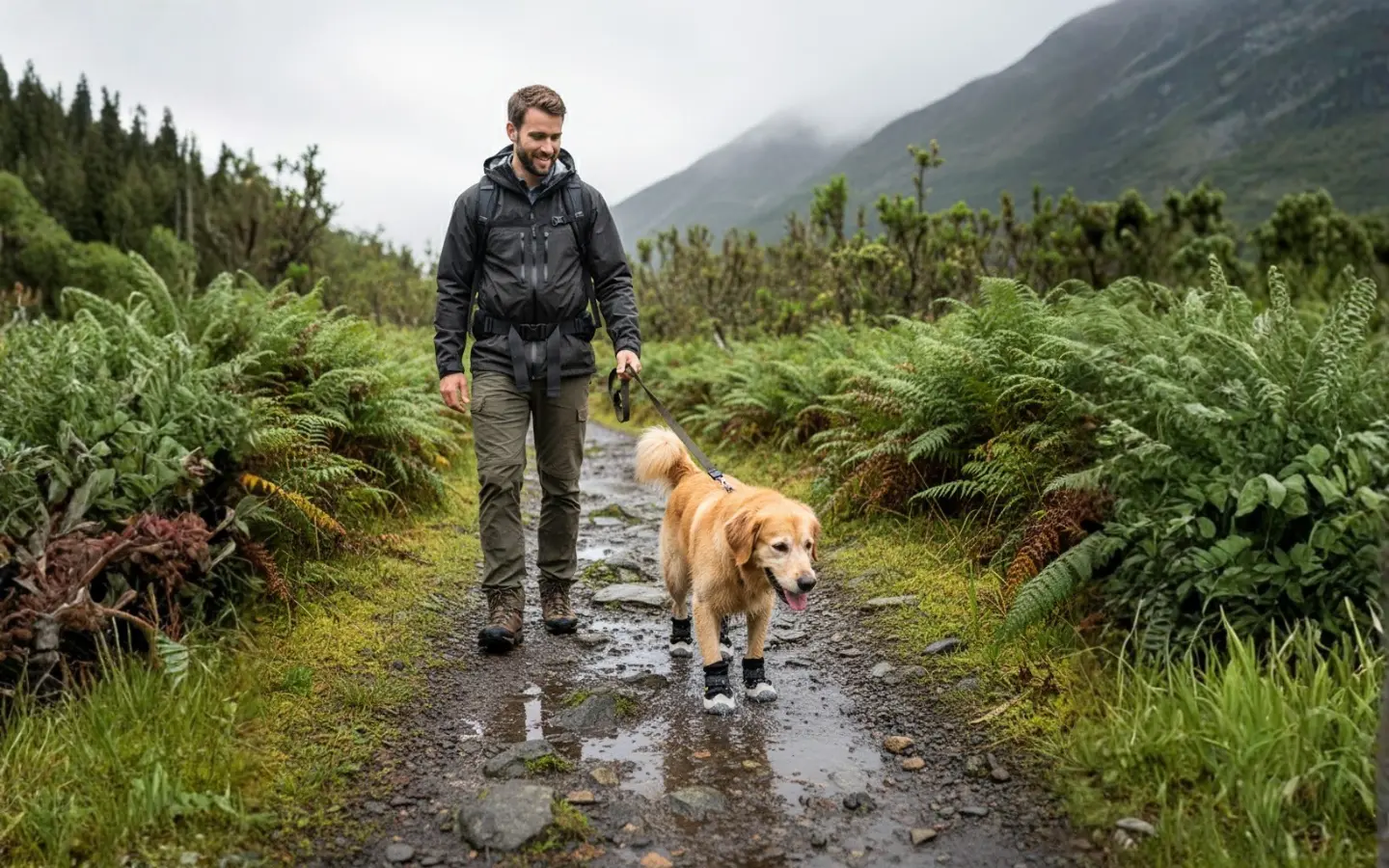
Essential Guide to Accessing and Storing an Outdoor First-Aid Kit for Dogs
A well-organized first-aid kit is critical for addressing injuries or emergencies during outdoor adventures with your dog. From cuts and insect stings to heatstroke or dehydration, being prepared can prevent minor issues from escalating. Here’s how to store your kit effectively and use it efficiently when needed.
1. Organizing Your Dog’s First-Aid Kit for Outdoor Accessibility
A cluttered or poorly stored kit wastes precious time during emergencies. Prioritize organization and portability to ensure quick access.
Categorizing Supplies by Use:
- Group items by function to avoid scrambling during stressful situations. For example, keep wound-care supplies (gauze, antiseptic wipes) separate from temperature-related tools (instant cold packs, electrolyte solutions).
- Use waterproof, labeled pouches or zip-lock bags to separate categories. This protects items from moisture and makes them easier to locate.
Storing in a Durable, Portable Container:
- Choose a lightweight, waterproof container with a secure closure. Hard-shell cases or dry bags work well for hiking or camping trips.
- Ensure the container is easy to carry. Attach a handle or strap, or store it in a backpack pocket for hands-free access.
Keeping the Kit Within Reach:
- Store the kit in a consistent location, such as a designated compartment in your dog’s backpack or your own daypack.
- If traveling by car, keep a secondary kit in the trunk or glove compartment for roadside emergencies.
2. Step-by-Step Process for Using the First-Aid Kit During Outdoor Incidents
Acting calmly and methodically during an emergency ensures your dog receives proper care. Follow these steps to use your kit effectively.
Assessing the Situation:
- Prioritize your safety and your dog’s. Move to a safe location if the injury occurred near hazards like traffic or cliffs.
- Approach your dog calmly to avoid startling them. Speak in soothing tones and offer treats if they’re responsive.
Retrieving the Correct Supplies:
- Open the kit quickly but carefully to avoid spilling contents. Use labeled pouches to locate items like tweezers (for splinters) or a thermometer (for fever checks).
- For wounds, grab gauze pads, antiseptic spray, and self-adhesive bandages. For heatstroke, reach for electrolyte packets and a cooling towel.
Administering First Aid:
- Follow basic protocols:
- Cuts or scrapes: Clean the area with antiseptic wipes, apply gauze, and secure with a bandage.
- Insect stings: Use tweezers to remove stingers, then apply a cold compress to reduce swelling.
- Dehydration: Offer small sips of electrolyte solution from a collapsible bowl.
- Never use human medications without veterinary guidance. Some ingredients, like ibuprofen, are toxic to dogs.
Seeking Veterinary Help When Needed:
- First aid is not a substitute for professional care. Contact a vet if your dog shows severe symptoms like excessive bleeding, difficulty breathing, or loss of consciousness.
- Keep emergency contact numbers saved in your phone and written inside the kit.
3. Maintaining and Restocking the First-Aid Kit for Long-Term Readiness
Regular checks ensure your kit remains functional and up-to-date. Neglecting maintenance can lead to expired supplies or missing essentials.
Checking Expiration Dates:
- Review the kit every 3–6 months. Discard expired items like medications, antiseptic wipes, or electrolyte solutions.
- Replace used or damaged supplies immediately. For example, if you used gauze pads during a hike, restock them before the next trip.
Restocking After Use:
- After an emergency, replenish all items you used, even small ones like cotton balls or alcohol pads.
- Consider adding notes to the kit’s exterior listing frequently used items to streamline restocking.
Adapting the Kit for Seasonal Needs:
- Tailor contents to the season or activity. For winter hikes, include paw balm to protect against ice and salt. For summer trips, add extra electrolyte solutions and a portable fan.
- If your dog has specific health conditions (e.g., allergies), include relevant medications and instructions.
4. Storing the Kit in Different Outdoor Environments
Outdoor settings expose the kit to extreme temperatures, moisture, and physical stress. Adjust storage methods to protect supplies.
Protecting Against Heat and Cold:
- Avoid leaving the kit in direct sunlight or inside a hot car, as heat can degrade medications and adhesives.
- In freezing temperatures, keep the kit insulated to prevent electrolyte solutions from freezing. Use thermal pouches or wrap the container in a blanket.
Waterproofing for Wet Conditions:
- Use double-layered waterproofing for rainy hikes or beach trips. Place the kit inside a dry bag, then store it in a backpack with a rain cover.
- Seal pouches containing powders (like electrolyte mixes) with extra tape to prevent clumping.
Securing the Kit During Physical Activity:
- For active adventures like rock climbing or mountain biking, attach the kit to your body or your dog’s harness using carabiners or straps.
- Avoid storing the kit in loose pockets where it might fall out during movement.
By organizing supplies logically, practicing calm administration, maintaining freshness, and adapting to environments, your outdoor first-aid kit becomes a lifeline for your dog. Regular checks and thoughtful storage ensure you’re always prepared for the unexpected.