

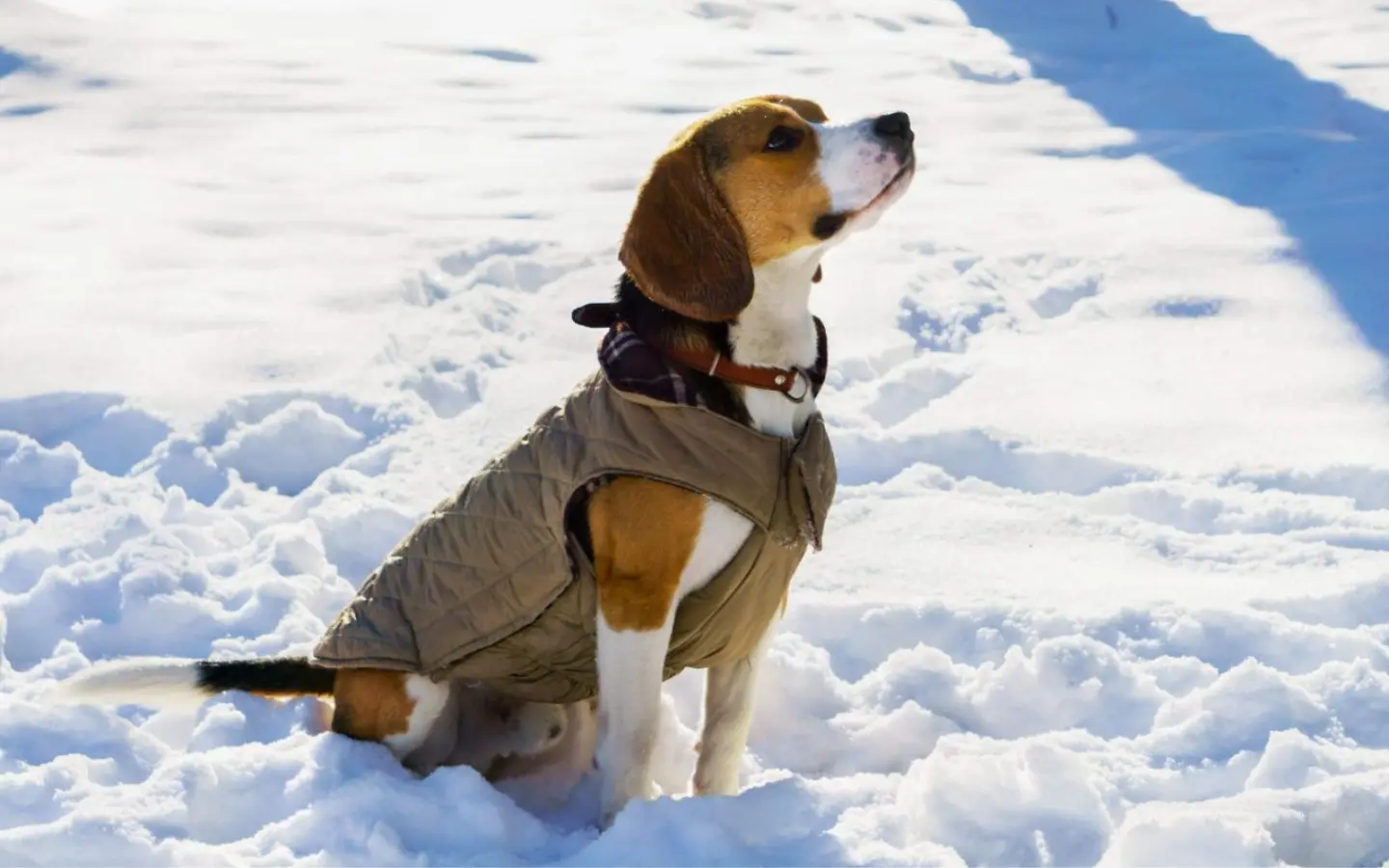
Understanding How Aging Dogs’ Physical Changes Affect Raincoat Sizing Needs
As dogs enter their senior years, their bodies undergo subtle yet significant transformations that impact how well a raincoat fits. These changes, ranging from weight fluctuations to mobility shifts, require pet owners to reassess sizing to ensure comfort and functionality. Below are key factors to consider when selecting rainwear for aging canines.
1. Adjusting for Muscle Loss and Weight Redistribution
Older dogs often experience a decline in muscle mass, particularly in the hindquarters, which can alter their overall body shape. This may lead to a looser fit around the torso or hips, increasing the risk of raincoats slipping off during walks. Conversely, some senior dogs gain weight due to reduced activity levels, creating a need for a looser chest or belly area to accommodate excess skin or fat.
To address this, prioritize raincoats with adjustable straps or elastic panels. These features allow for a customized fit that compensates for uneven weight distribution, ensuring the garment stays secure without restricting movement. Additionally, opt for materials with slight stretch to accommodate shifting body contours over time.
2. Considering Reduced Mobility and Posture Changes
Arthritis, spinal issues, or general stiffness can alter how an elderly dog moves or stands. A raincoat that fits snugly around the shoulders or neck might restrict movement, causing discomfort or making it harder for the dog to walk. Similarly, a coat that drags on the ground due to a lowered stance could trip the dog or collect debris.
Look for designs with a longer back panel to cover the lower spine without dragging, and ensure neck openings are wide enough to avoid pressure on the trachea. Velcro or snap closures should be placed in accessible areas to allow for easy adjustments without forcing the dog into uncomfortable positions.
3. Accommodating Sensitive Skin and Temperature Regulation
Senior dogs are more prone to skin irritation and may have difficulty regulating body temperature. A raincoat that fits too tightly can trap moisture against the skin, leading to chafing or hot spots, especially in areas with thinning fur. Conversely, a coat that’s too loose might fail to repel water effectively, leaving the underbelly or legs exposed to rain.
Choose lightweight, breathable fabrics that wick away moisture while providing a barrier against rain. Seams should be flat-stitched to prevent rubbing, and the coat should allow for a full range of motion without bunching up. If the dog has a thick coat, ensure the rainwear doesn’t cause overheating by opting for a ventilated design.
Final Considerations for a Perfect Fit
When selecting a raincoat for an aging dog, measure the chest, neck, and back length carefully, accounting for any hunched posture or sagging skin. Test the fit by observing the dog’s movement indoors before venturing out in wet weather. A well-fitted raincoat should stay in place without shifting, allow the dog to relieve itself easily, and not leave red marks or indentations on the skin. By prioritizing adaptability and comfort, owners can ensure their senior companions stay dry and content during inclement weather.