

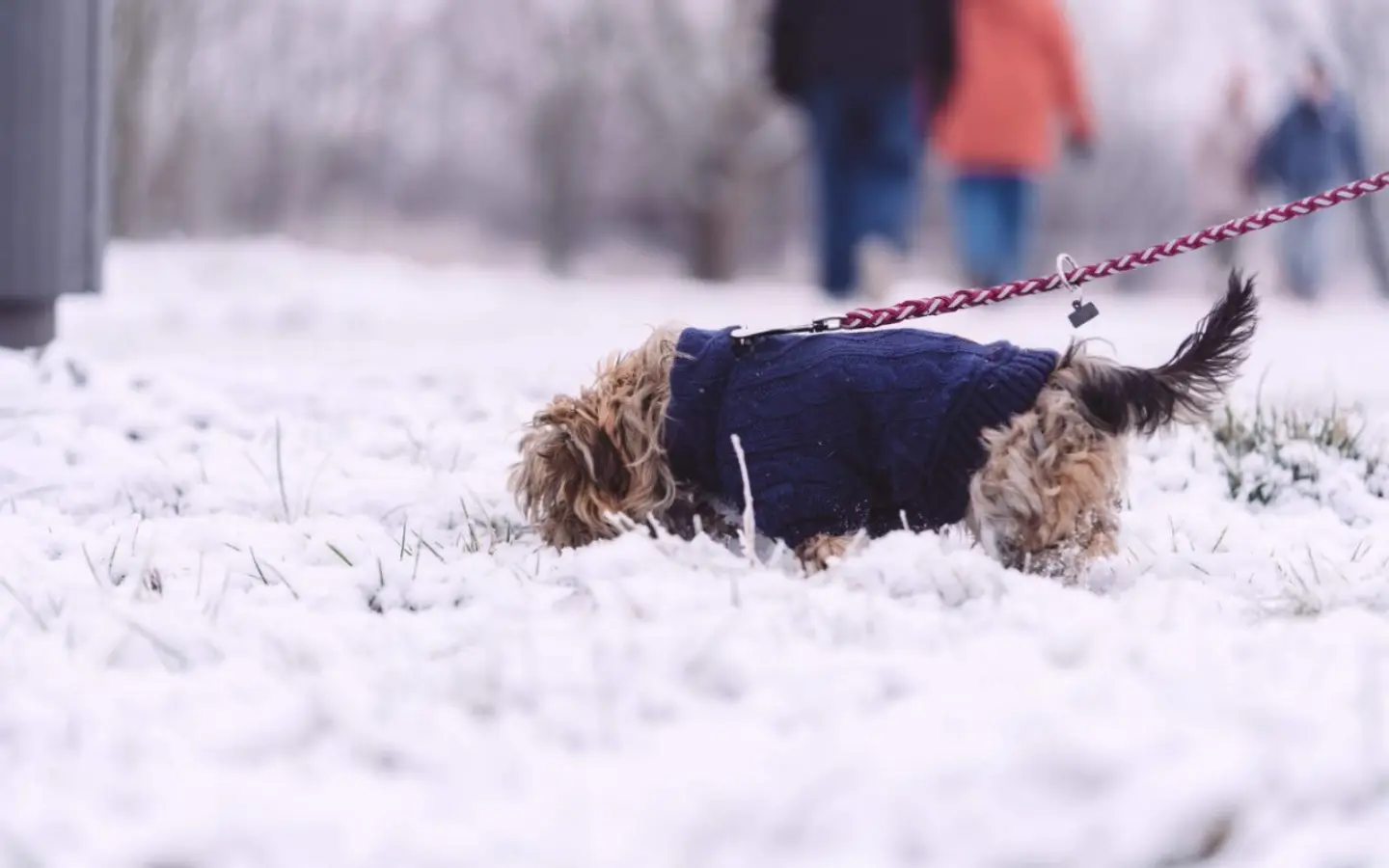
Repairing Frayed or Worn Seams on Your Dog’s Raincoat
When the seams of your dog’s raincoat show signs of wear, such as fraying, loose threads, or small holes, addressing them promptly prevents further damage and extends the garment’s lifespan. Here’s how to restore structural integrity without professional tools or expensive materials.
Assessing the Damage and Preparing Materials
Start by examining the entire raincoat to identify all weakened seams. Focus on high-stress areas like the neck, armpits, and belly, where movement and friction are most common. Use a magnifying glass or bright light to spot tiny frays or gaps in the stitching. Once identified, gather basic supplies: a sharp pair of fabric scissors, a seam ripper (optional), strong polyester or nylon thread, and a hand-sewing needle with an eye large enough to accommodate the thread.
If the raincoat has a waterproof coating, choose a thread that matches the original material’s durability to maintain flexibility and resistance to moisture. For added strength, consider doubling the thread by threading the needle with two strands instead of one. Clean the area around the damaged seam with a damp cloth to remove dirt or debris that could interfere with repairs.
Reinforcing Loose or Frayed Seams with Hand Stitching
For minor fraying, trim any loose threads with scissors, being careful not to cut the main seam. If the stitching has come undone, use a seam ripper to gently remove a few stitches on either side of the damaged section, creating space to realign the fabric. Thread your needle and knot the end securely. Begin stitching from the inside of the raincoat to hide the knot, using a backstitch or whipstitch for durability.
A backstitch involves passing the needle through the fabric backward, then forward, creating overlapping stitches that resist pulling. For curved seams, like those around the legs or hood, use smaller stitches to maintain flexibility. As you sew, pull the thread taut but not so tight that it puckers the fabric. If the original seam had multiple layers of stitching, replicate this pattern to distribute tension evenly.
Patching Small Holes or Tears Near Seams
If the damage extends beyond fraying to include small holes or tears, reinforce the area with a fabric patch. Cut a piece of lightweight, waterproof material (such as nylon or polyester scraps) slightly larger than the hole. Round the corners of the patch to prevent peeling, then position it on the inside of the raincoat, covering the damaged area.
Secure the patch by stitching around its edges with a tight whipstitch or blanket stitch, ensuring the needle passes through both the patch and the raincoat fabric. For added strength, stitch in a crisscross pattern over the hole itself, weaving the thread through the patch and surrounding material. Avoid using glue or adhesive patches, as these can degrade over time and weaken the fabric.
Preventing Future Seam Damage Through Maintenance
To minimize recurring issues, inspect the raincoat regularly for signs of wear, especially after rough outdoor use. Avoid hanging the raincoat by its straps or hood, as this can stretch seams over time. Instead, fold it loosely or lay it flat in a dry storage area. When cleaning the raincoat, avoid harsh scrubbing near seams, as this can loosen threads or erode waterproof coatings.
If the raincoat frequently rubs against sharp objects like fences or branches, consider reinforcing high-friction areas with extra stitching or a thin layer of fabric tape before damage occurs. For dogs with thick fur, ensure the raincoat fits snugly but not tightly, as excessive pulling can strain seams. By addressing minor wear early and handling the garment with care, you can keep the seams intact through many adventures.
With these techniques, you can restore your dog’s raincoat to a functional state without specialized equipment. Hand stitching and patching offer durable solutions that blend seamlessly with the original design, ensuring the garment remains both waterproof and comfortable for your pet.