

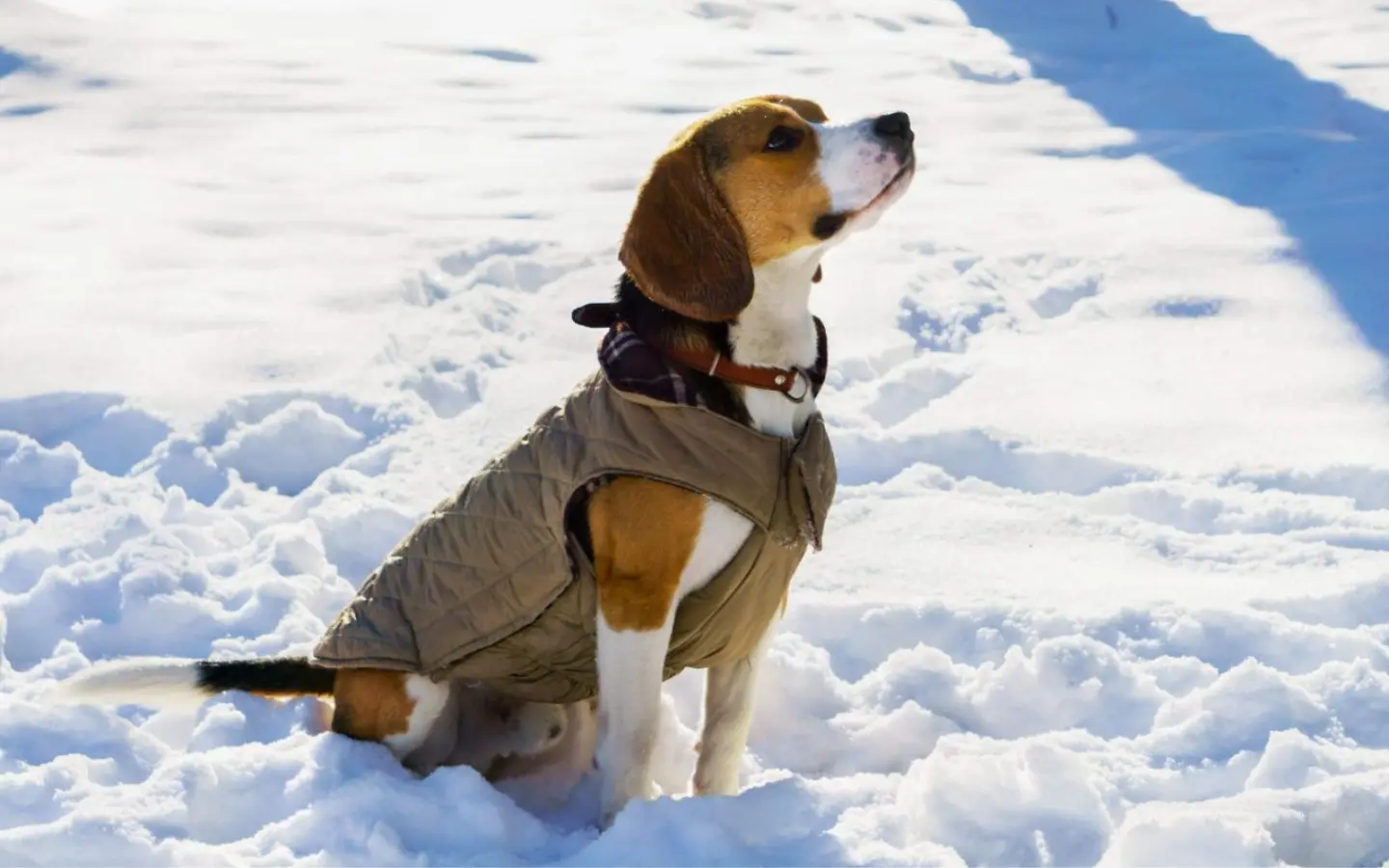
The Relationship Between a Dog’s Leg Length and Raincoat Pant Sizing
A dog’s leg proportions—whether long and lean or short and sturdy—directly impact how raincoat pant legs fit and function. Ill-fitting pants can cause discomfort, restrict movement, or leave vulnerable areas exposed to mud and moisture. Understanding how leg length influences sizing ensures rainwear stays secure, comfortable, and practical during wet weather outings.
1. Long-Legged Breeds: Preventing Slippage and Ensuring Full Coverage
Dogs like Greyhounds, Borzois, or Afghan Hounds have elongated limbs that require raincoat pants extending well past the knees. A design that’s too short may ride up during movement, exposing the lower legs to splashes or debris. Conversely, pants that are too loose around the thighs can slide down, bunching at the ankles and creating tripping hazards.
For these breeds, prioritize raincoats with adjustable leg cuffs or elasticized bands that grip the lower legs without cutting off circulation. Look for pants with a tapered fit through the thighs to prevent sagging, and ensure the hem reaches at least 2–3 inches below the hock joint. Reinforced seams at the knee area add durability for dogs that frequently bend or stretch their legs during activity.
2. Short-Legged Dogs: Avoiding Drag and Maintaining Mobility
Breeds such as Corgis, Dachshunds, or Basset Hounds have shorter legs relative to their body length, making standard raincoat pants prone to dragging on the ground. Excess fabric can collect mud, weigh down the coat, or tear on rough terrain. Additionally, tight-fitting pants may restrict shoulder movement or chafe the inner thighs during walks.
Opt for rainwear with cropped or angled pant legs that sit just above the paw pads, minimizing contact with wet surfaces. Choose designs with wide, flexible leg openings that accommodate thick thighs without binding. Adjustable belly straps help lift the pants slightly to prevent dragging, while lightweight, water-resistant materials reduce bulk and improve ease of movement.
3. Mixed-Leg Proportions: Addressing Uneven Limbs in Certain Breeds
Some dogs, like Bull Terriers or French Bulldogs, have a unique combination of short backs and moderately long legs, requiring a balanced approach to pant sizing. Others, such as mixed-breed rescue dogs, may inherit uneven leg lengths from different parent breeds, complicating fit further. In these cases, standard sizing charts often fail to account for irregular proportions.
Look for raincoats with modular pant designs, such as detachable legs or adjustable hemlines, to customize coverage. Measure each leg individually to ensure symmetry, and prioritize coats with stretch panels or gussets at the hips and knees to accommodate varying lengths. Testing the fit during slow walks and sudden turns helps identify areas where the pants might shift or restrict motion.
Critical Adjustments for All Leg Types
Regardless of leg length, always check that the raincoat’s pants don’t interfere with urination or defecation. Long-legged dogs may need wider crotch panels to prevent binding, while short-legged breeds benefit from seamless interiors to reduce friction. For mixed-proportion pets, consider layering lightweight leg warmers under the raincoat for added adjustability.
By tailoring raincoat pant sizing to a dog’s specific leg proportions, owners can ensure their pet stays dry and comfortable without sacrificing mobility. Proper fit eliminates common issues like slippage, dragging, or restricted movement, making rainy walks enjoyable for dogs of all shapes and sizes.
