

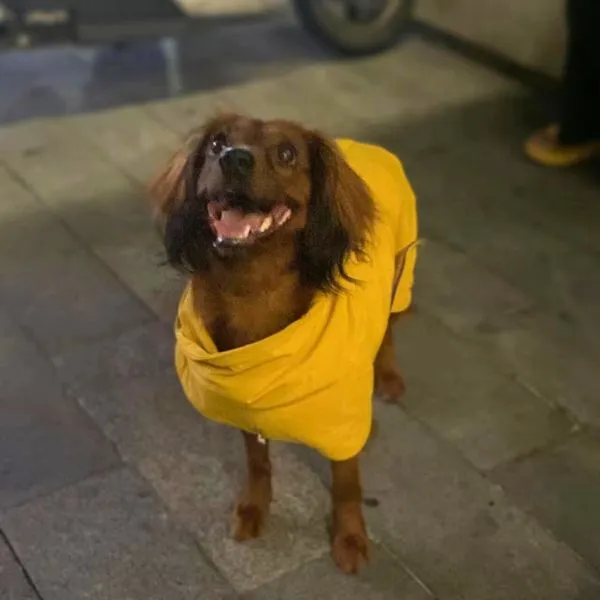
Enhancing Canine Safety: Raincoat Color Visibility in Low-Light and Nighttime Environments
Ensuring a dog’s raincoat stands out during nighttime walks or昏暗 (dimly lit) conditions is critical for preventing accidents and improving visibility to drivers, cyclists, and pedestrians. While color choice plays a significant role, factors like reflectivity, material sheen, and environmental contrast must also be considered. By understanding how these elements interact, owners can select raincoat hues that maximize safety without sacrificing style or comfort.
The Role of High-Contrast Colors in Low-Light Visibility
High-contrast colors create a stark difference between the raincoat and its surroundings, making the dog easier to spot in dim conditions. Bright neon shades like fluorescent yellow, orange, or green are particularly effective because they absorb and reflect ultraviolet light, appearing to glow even under streetlights or car headlights. These colors work well in urban settings where artificial lighting is abundant, as they stand out against asphalt, concrete, and dark clothing worn by pedestrians.
In natural environments like parks or trails, high-contrast colors still offer advantages, especially during dusk or dawn when visibility is limited. A fluorescent orange raincoat, for example, can help a dog remain visible among trees or bushes, reducing the risk of collisions with joggers or other animals. However, avoid pairing these shades with dark backgrounds like black or navy, as the contrast may become too intense, causing visual fatigue for observers.
Reflective Elements: Amplifying Visibility Through Light Interaction
While color is important, reflective strips or panels significantly enhance a raincoat’s nighttime辨识度 (visibility). These materials bounce back light from sources like streetlamps, headlights, or flashlights, creating a bright, attention-grabbing effect. Even a raincoat in a muted color can become highly visible when equipped with reflective accents, as the light reflection overrides the base hue’s limitations.
For optimal safety, look for raincoats with reflective detailing along the edges, back, or sides—areas that move frequently as the dog walks. This dynamic reflection mimics the behavior of safety vests worn by cyclists or runners, signaling the dog’s presence from multiple angles. Combining reflective elements with a high-contrast base color, such as neon green with silver reflective strips, creates a layered approach to visibility that works in various lighting scenarios.
Light-Colored Raincoats: Leveraging Natural Luminosity
Light-colored raincoats, including white, pale gray, or soft yellow, naturally reflect more light than darker shades, making them easier to see in昏暗 (dim) conditions. White is a top choice for nighttime visibility, as it appears bright against almost any background and reflects light from multiple sources. However, white raincoats can show dirt quickly, so owners should weigh practicality against safety benefits when making their selection.
Pale gray offers a compromise between visibility and maintenance, reflecting enough light to stand out without appearing overly stark. Soft yellow, while less intense than neon shades, provides a gentle glow that works well in residential areas or quiet streets. When choosing light colors, avoid those with matte finishes, as they absorb light instead of reflecting it. Instead, opt for slightly shiny materials that enhance the raincoat’s luminosity under low-light conditions.
Environmental Context: Adapting Color Choices to Surroundings
The effectiveness of a raincoat color depends heavily on the environment in which it’s worn. In urban areas with heavy traffic, neon colors and reflective elements are essential for catching the attention of distracted drivers. A fluorescent green raincoat with reflective piping, for instance, can help a dog stay visible at crosswalks or busy intersections, reducing the risk of accidents.
In rural or natural settings, where artificial lighting is sparse, high-contrast colors that mimic natural elements—like bright orange for autumn foliage or neon green for grassy fields—can improve visibility without looking out of place. Avoid dark colors like black or deep blue in these environments, as they blend into shadows and make the dog nearly invisible after sunset. Instead, prioritize shades that create a clear visual break from the surroundings, even from a distance.
Movement and Dynamic Visibility: How Action Affects Color Perception
A dog’s movement during walks influences how its raincoat color is perceived in low-light conditions. Dynamic colors or patterns that shift with motion—such as raincoats with two-tone designs or iridescent materials—can draw attention more effectively than static hues. For example, a raincoat with alternating neon pink and silver panels will catch the eye as the dog runs or turns, signaling its presence to others on the path.
Reflective elements also benefit from movement, as they create flashes of light with each step or tail wag. This intermittent reflection is particularly useful in昏暗 (dim) settings, where continuous light sources may be limited. By choosing a raincoat that incorporates both color contrast and dynamic reflectivity, owners can ensure their dog remains visible regardless of how fast or slow it moves.
Testing Visibility: Practical Steps to Evaluate Raincoat Colors
Before committing to a raincoat color, owners should test its visibility in real-world conditions similar to those they’ll encounter during walks. Take the raincoat outside during dusk or after dark and observe how it appears under streetlights, porch lights, or car headlights. Ask a friend to watch from a distance to gauge whether the color stands out clearly or blends into the background.
If possible, photograph the raincoat in low-light settings to review its appearance on screen, as cameras often capture light interactions differently than the human eye. Pay attention to how reflective elements perform and whether the base color provides enough contrast. This hands-on testing ensures the chosen raincoat meets safety standards without relying solely on theoretical assumptions about color performance.
By prioritizing high-contrast colors, reflective details, and light-reflective materials, owners can significantly improve their dog’s visibility during nighttime or昏暗 (dim) walks. These choices, combined with an understanding of environmental context and movement dynamics, create a safety-focused approach to raincoat selection that protects pets while keeping them stylish and comfortable. Whether navigating busy city streets or quiet country trails, the right raincoat color turns a functional accessory into a lifesaving tool.