

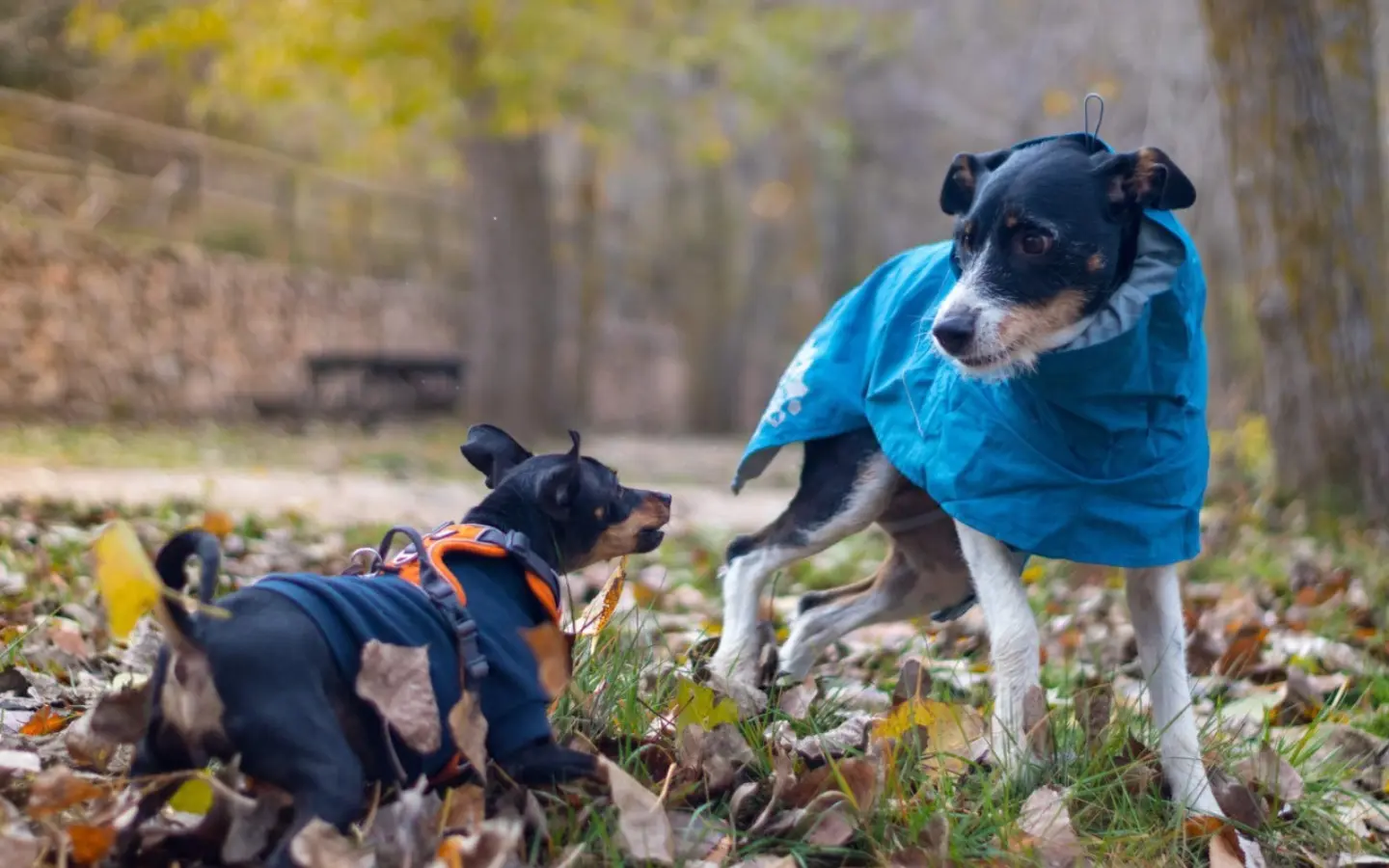
Managing Your Dog’s Reactions to Other Animals While Wearing a Raincoat
When a dog wears a raincoat during walks or outdoor outings, their interactions with other animals can be influenced by the gear’s sensory impact, fit, and the dog’s comfort level. Raincoats may alter a dog’s body language, mobility, or even their perception of familiar scents, potentially leading to unexpected reactions. Here’s how to handle these encounters effectively to ensure safety and calm for all involved.
Sensory Overload and Alertness: Addressing Heightened Reactivity
Raincoats often create rustling sounds or change the way a dog moves, which can make them more alert or reactive to other animals. The unfamiliar noise or restricted motion might amplify their startle response when they spot a squirrel, another dog, or wildlife. For instance, a dog that typically ignores passing cats might lunge or bark if the raincoat’s material shifts unexpectedly, distracting them from their usual training.
To mitigate this, practice desensitization exercises before walks. Gradually introduce the raincoat at home, pairing it with positive experiences like treats or play. Once the dog is comfortable, simulate encounters with stuffed animals or recordings of common triggers (e.g., barking dogs) to reinforce calm behavior. During walks, keep a loose leash and use verbal cues like “watch me” or “leave it” to redirect their focus before they fixate on another animal.
Body Language and Communication: Interpreting and Adjusting Signals
A raincoat can obscure a dog’s natural body language, making it harder for them to communicate with other animals or for others to read their intentions. For example, a raised hackle—a common sign of stress or aggression—might be hidden under a thick coat, leading to misunderstandings. Similarly, a dog’s wagging tail or relaxed posture could be restricted, making them appear more tense than they are.
Owners should compensate by staying vigilant and acting as intermediaries. If approaching another dog, keep a safe distance and allow the dogs to sniff each other’s scents without direct contact (e.g., parallel walking). Use a calm, assertive tone to reassure your dog and avoid tightening the leash, which can escalate tension. If your dog shows signs of anxiety (e.g., lip licking, yawning, or cowering), create space and redirect their attention with a toy or treat.
Mobility and Control: Maintaining Steady Handling
A poorly fitting raincoat can limit a dog’s ability to move freely, affecting their balance or agility during encounters. If a dog feels trapped or restricted, they might react defensively—for example, by growling or snapping when another animal approaches. Conversely, a loose or ill-fitting coat might cause them to trip, making them more likely to panic and lash out.
To prevent this, ensure the raincoat fits snugly but allows full range of motion. Check for areas where the fabric might bunch or rub, such as under the armpits or around the neck. During walks, use a harness instead of a collar to reduce pressure on the neck if the dog pulls. If another animal approaches, step to the side and use your body to shield your dog, giving them time to adjust without feeling cornered.
Environmental Awareness: Choosing Safe Encounters
Rainy weather often drives animals into shared spaces, like sidewalks or parks, increasing the likelihood of unexpected encounters. Dogs in raincoats may also stand out more, attracting curiosity from other pets or wildlife. For example, a skunk or raccoon might feel threatened by a dog’s unfamiliar appearance and lash out defensively.
To minimize risks, avoid walking in areas with high wildlife traffic during rainy seasons. Stick to well-lit, populated paths where other dogs are likely to be leashed and under control. If you spot an unleashed animal, calmly change direction or step behind a barrier (like a parked car) until the threat passes. Always carry a whistle or high-value treats to distract your dog if they become fixated on another animal.
Training Reinforcement: Strengthening Recall and Focus
Consistent training is crucial for managing encounters, especially when a raincoat adds distractions. Practice recall commands (“come”) in low-stress environments before venturing into busier areas. Reward your dog promptly when they respond, even if distracted by the raincoat’s noise or movement.
During walks, use verbal markers (e.g., “yes” or “good”) to reinforce calm behavior around other animals. If your dog struggles to ignore triggers, try the “look at that” (LAT) game: reward them for glancing at another animal without reacting, then redirecting their focus back to you. Over time, this builds confidence and teaches them that staying calm around other animals leads to positive outcomes.
Conclusion: Navigating Encounters with Confidence
Handling a dog’s reactions to other animals while wearing a raincoat requires patience, preparation, and adaptability. By understanding how the gear affects their sensory experience, body language, and mobility, owners can anticipate challenges and intervene proactively. With consistent training, mindful route planning, and calm leadership, even rainy-day walks can become opportunities for positive social interactions and strengthened bonds.