

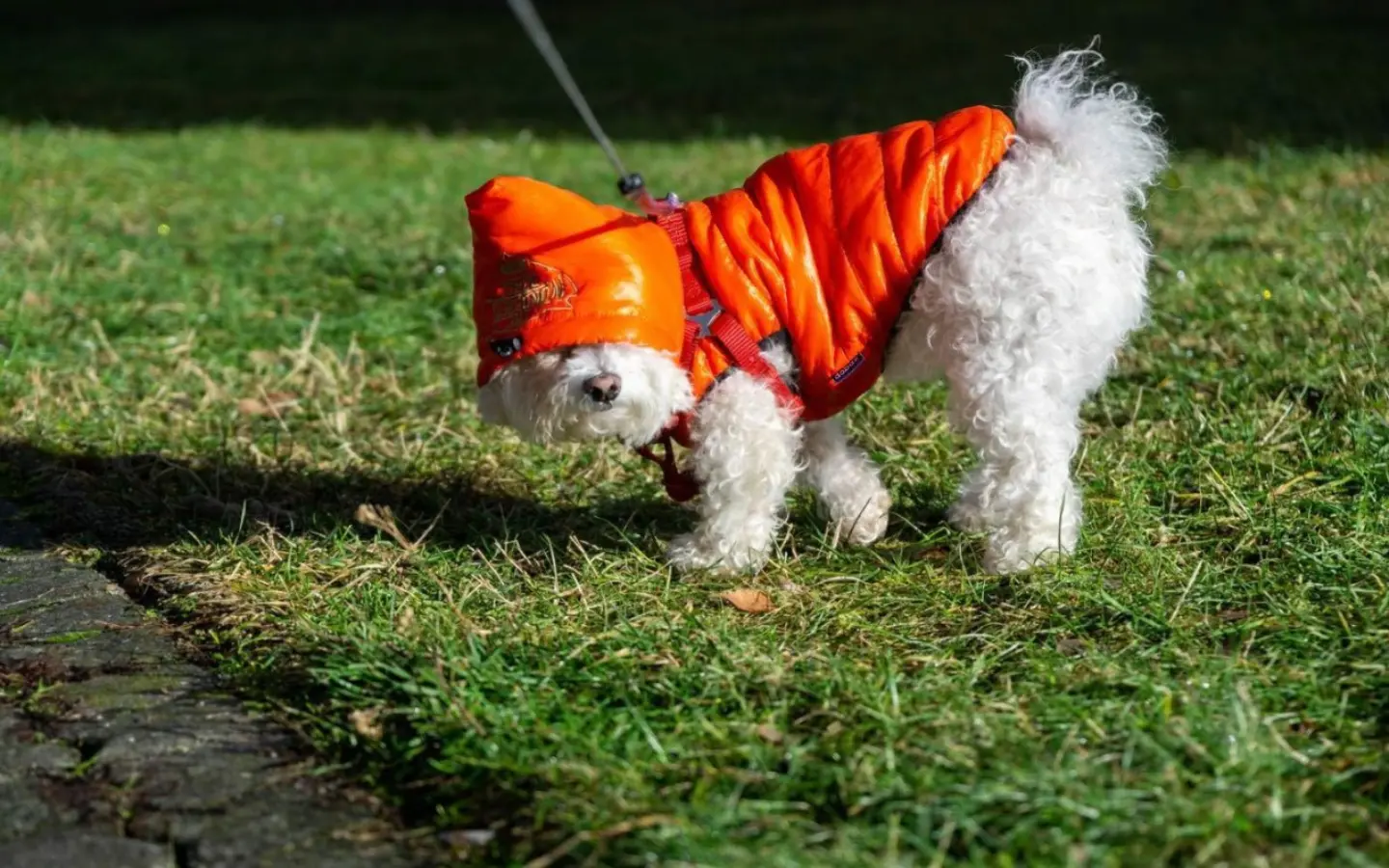
Precise Matching of Dog Chest Girth to Raincoat Sizes: A Data-Driven Approach
Chest girth is the most critical measurement for ensuring a dog’s raincoat fits securely without restricting movement or causing discomfort. Unlike weight or breed, which offer general guidelines, chest girth provides a direct, anatomical reference point for sizing. However, even within the same weight range, dogs can have vastly different chest shapes—from barrel-like to slender—requiring tailored adjustments. Here’s how to interpret chest measurements and align them with raincoat designs for a flawless fit.
Understanding Chest Girth Variations Across Breeds and Body Types
Dogs exhibit diverse chest structures, influenced by breed standards, genetics, and health conditions. A Bulldog’s broad, rounded chest differs dramatically from a Greyhound’s deep, narrow ribcage, even if both weigh the same. Recognizing these differences helps refine sizing choices.
- Barrel-Chested Breeds: Breeds like French Bulldogs, Pugs, and Corgis have wide, rounded chests that taper toward the waist. Raincoats for these dogs need adjustable chest straps or elastic panels to accommodate their girth without sagging.
- Deep-Chested Breeds: Greyhounds, Dobermans, and Boxers have chests that extend further down the torso, creating a pronounced “V” shape. Look for raincoats with extended chest coverage and adjustable necklines to prevent gaps near the shoulders.
- Slender or Athletic Builds: Whippets, Salukis, and some Terrier breeds have narrow chests relative to their length. Opt for raincoats with a tapered fit and minimal bulk to avoid excess fabric flapping during movement.
How to Measure Chest Girth Correctly
Accurate measurements are essential for matching raincoat sizes. Use a flexible tape measure and follow these steps to ensure precision:
- Positioning: Have your dog stand naturally on all four legs. Avoid measuring while they’re sitting or lying down, as this can distort the chest shape.
- Placement: Wrap the tape measure around the widest part of the chest, just behind the front legs. Ensure it’s snug but not tight—you should be able to slide two fingers between the tape and your dog’s skin.
- Repeat for Consistency: Take two or three measurements to account for variations in posture or breathing. Use the largest value to determine the correct size.
- Compare to Raincoat Specifications: Most manufacturers provide a chest girth range for each size (e.g., “Medium: 22–26 inches”). Choose the size where your dog’s measurement falls near the middle of the range to allow room for growth or layering.
Adjusting Raincoat Fit for Chest Shape and Movement
Even with accurate measurements, chest shape can affect how a raincoat sits. Adjustable features and strategic design elements help overcome these challenges:
- Adjustable Chest Straps: Many raincoats include Velcro or buckle straps across the chest. Tighten these to prevent the coat from sliding backward but leave enough slack for comfortable breathing.
- Elastic Panels or Gussets: For barrel-chested breeds, elastic inserts around the chest allow for expansion without constriction. These are particularly useful for dogs with thick fur or those prone to weight fluctuations.
- Articulated Designs: Some raincoats feature pre-curved seams or “action panels” that mimic a dog’s natural stance. These reduce bunching around the armpits and chest during movement, making them ideal for active breeds.
- Neckline Adjustments: A high, adjustable neckline prevents water from seeping into the chest area, especially for deep-chested breeds. Ensure the neck opening is large enough to slip on easily but doesn’t gap when the dog moves.
Common Pitfalls to Avoid When Matching Chest Girth to Raincoat Sizes
Missteps in sizing can lead to discomfort, reduced mobility, or inadequate protection. Watch out for these frequent errors:
- Ignoring Breed-Specific Needs: A one-size-fits-all approach rarely works. For example, a Dachshund’s long body and short legs require a different chest-to-length ratio than a Beagle’s compact frame.
- Overlooking Fur Density: Dogs with thick double coats (like Huskies) may need a larger size to accommodate their fur without feeling pinched. Conversely, short-haired breeds (like Greyhounds) can wear a closer-fitting coat.
- Neglecting Growth or Weight Changes: Puppies or dogs in transition (e.g., recovering from illness) may outgrow their raincoat quickly. Choose a size at the upper end of the range or opt for adjustable designs to extend usability.
- Assuming All Measurements Are Equal: Some manufacturers prioritize chest girth over other dimensions, while others balance it with back length or neck size. Always cross-reference all provided measurements to ensure harmony across the garment.
Testing the Fit Before Regular Use
Even with careful measurements, testing the raincoat in a dry environment is crucial to confirm comfort and functionality:
- Observe Natural Movement: Have your dog walk, run, sit, and lie down to check for restrictions. The raincoat should stay in place without riding up, shifting, or causing limping.
- Check for Gaps or Overlaps: Look for areas where water could seep in, such as between the chest and legs or under the neck. Adjust straps or layer with a lightweight undershirt if needed.
- Monitor Behavior: A well-fitted raincoat shouldn’t cause your dog to chew, scratch, or shake excessively. If they seem irritated, recheck the chest girth measurement or try a different style with more flexibility.
When to Re-Measure Chest Girth
Dogs’ bodies change over time due to age, diet, exercise, or health conditions. Re-measure chest girth annually or whenever you notice:
- Weight Gain or Loss: Even small changes can affect how the raincoat fits. A coat that was once snug may become loose or tight, compromising protection or comfort.
- Coat Thickness Variations: Seasonal shedding or growth can alter the effective chest girth. For example, a thick winter coat might require a looser fit, while a summer trim could mean tightening straps.
- Post-Surgery or Recovery: Dogs recovering from spaying, neutering, or other procedures may experience temporary swelling or changes in body shape. Adjust the raincoat fit accordingly during this period.
By prioritizing chest girth as the cornerstone of sizing and adapting to your dog’s unique anatomy, you can ensure their raincoat provides reliable protection without sacrificing comfort. Regularly reassess fit and remain flexible with adjustable designs to accommodate life’s changes.