

The Potential Impact of Raincoat Colors on a Dog’s Emotional State
While dogs perceive colors differently from humans, the hues they wear can still influence their behavior and mood indirectly. Factors like visibility, owner interaction, and environmental context play a role in how a raincoat’s color affects a dog’s emotional well-being. Understanding these dynamics can help owners choose attire that supports their pet’s comfort and confidence.
Bright Colors and Enhanced Visibility: Reducing Anxiety in Busy Environments
Dogs in brightly colored raincoats, such as neon yellow, orange, or pink, often stand out more in crowded or chaotic settings. This heightened visibility can reduce stress by making it easier for owners to locate and reassure their pets during walks, trips to the park, or outings in unfamiliar areas. For example, a dog wearing a lime green raincoat in a bustling city might feel more secure knowing their owner can spot them quickly amidst distractions.
Bright colors can also create a sense of playfulness, which may boost a dog’s energy and enthusiasm during outdoor activities. The visual contrast between a vibrant raincoat and a dull, rainy environment can make the experience feel more engaging, potentially encouraging exploration and reducing boredom. However, overly bold hues might overwhelm some dogs, especially those prone to sensory sensitivity, so observing your pet’s reaction is key.
Neutral and Earthy Tones: Promoting Calmness in Familiar Settings
Neutral-colored raincoats, like gray, beige, or olive green, often blend into natural or urban backgrounds, creating a less jarring visual experience for dogs. These shades can evoke a sense of tranquility, particularly in familiar environments where sudden changes in appearance might feel unsettling. For instance, a dog wearing a sandy beige raincoat during a walk in their neighborhood might feel more at ease, as the color mimics the earthy tones of their surroundings.
Neutral hues also reduce the likelihood of drawing unwanted attention from other dogs or people, which can be beneficial for anxious or reactive pets. A gray raincoat, for example, might help a shy dog feel less conspicuous, lowering their stress levels in social situations. Additionally, these colors tend to hide dirt and water stains, which can prevent frustration for dogs who dislike the feeling of wet or dirty fur.
Dark Colors and Sensory Overload: Potential Risks for Anxious Dogs
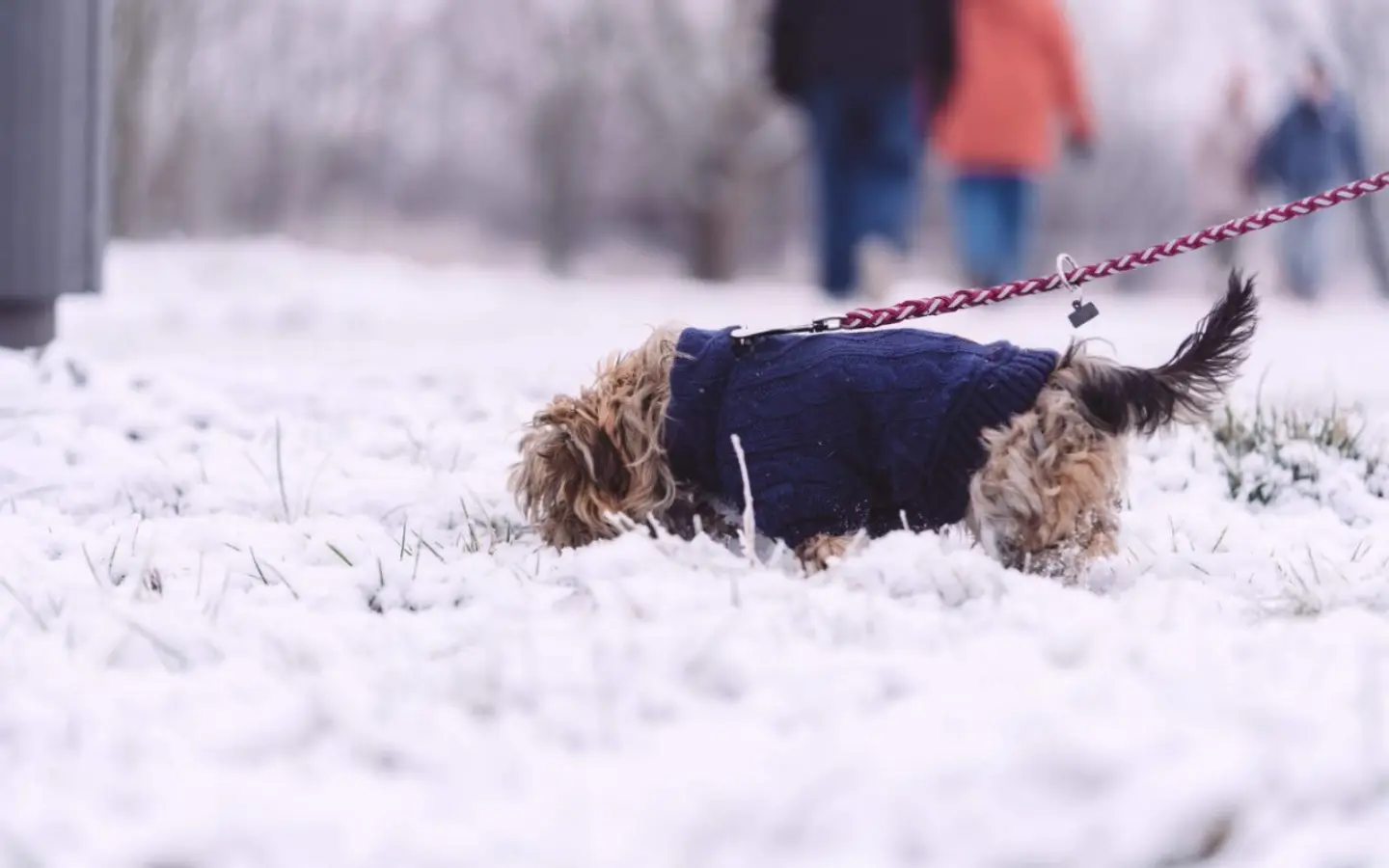
While dark raincoats like black or deep navy may appeal to owners for their sleek appearance, they can pose challenges for dogs. Dark colors absorb more heat, potentially making a dog uncomfortable in warm or humid weather, which might lead to restlessness or irritability. Moreover, in low-light conditions, a dark raincoat can make it harder for owners to monitor their pet’s movements, increasing the risk of accidents or separation anxiety.
For dogs with visual sensitivities, dark hues might also create a “cave-like” feeling, especially if the raincoat fits snugly around their body. This could trigger claustrophobia or resistance to wearing the garment altogether. If your dog shows signs of discomfort, such as pawing at the raincoat or trying to remove it, switching to a lighter or more breathable color might improve their mood.
Color Associations and Owner Behavior: The Ripple Effect on Canine Emotions
Dogs are highly attuned to their owners’ emotions, and the color of their raincoat can influence how humans interact with them. For example, an owner who chooses a pastel-colored raincoat, like lavender or soft blue, might project a calm, affectionate demeanor, which their dog could mirror. Conversely, a bright, patterned raincoat might lead to more energetic play or praise, reinforcing a lively mood in the dog.
The act of dressing a dog in a raincoat itself can also affect their emotional state. If the process is gentle and positive, with treats or praise, the dog is more likely to associate the raincoat—regardless of color—with comfort and security. However, if the color choice causes the owner to rush or handle the dog roughly, even a neutral-toned raincoat could become linked to stress. Consistency and patience during dressing routines are crucial for fostering a positive emotional response.
By considering how raincoat colors interact with visibility, environmental context, and owner behavior, pet parents can make informed choices that support their dog’s emotional health. Whether opting for bright, neutral, or dark hues, the goal is to ensure the dog feels safe, comfortable, and connected to their human companion.